
How Group Buying Groceries in Nigeria Can Reduce Costs for Businesses

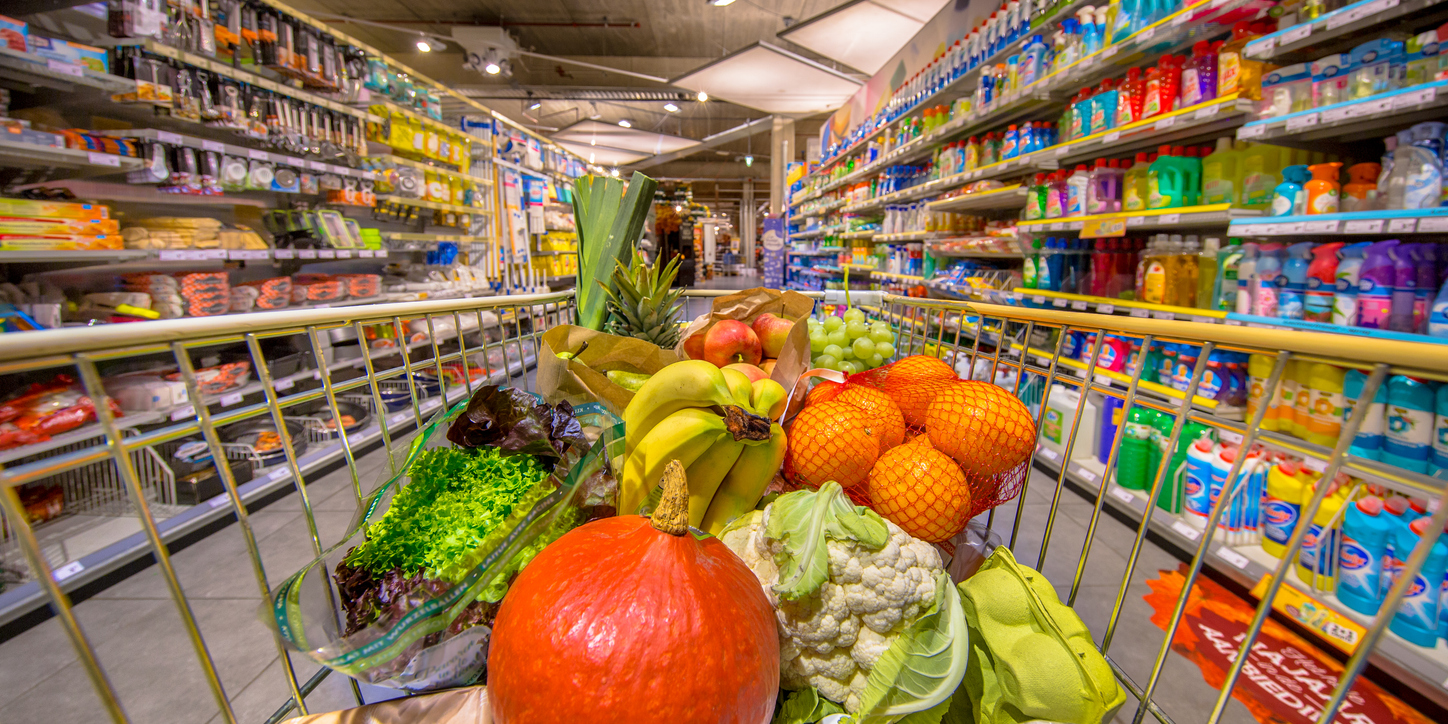
Rising food prices, fluctuating supply chains, and logistics challenges continue to affect businesses and households across Nigeria. In response, many organisations and communities are turning to group buying groceries in Nigeria as a practical way to reduce costs and improve purchasing efficiency.
Group buying, also known as collective purchasing, involves multiple buyers pooling their orders to purchase goods in bulk at lower prices. This model is increasingly relevant in Nigeria’s FMCG and wholesale sectors, where economies of scale can significantly impact margins.
What is Group Buying and Why It Matters
Group buying is a procurement strategy where individuals or businesses combine demand to negotiate better prices from suppliers. Instead of purchasing small quantities at retail prices, buyers access wholesale rates by increasing order volumes.
In Nigeria, this approach is particularly useful for:
- SMEs in the food and hospitality industry
- Retailers and market traders
- Corporate organisations managing staff welfare
- Community cooperatives and associations
By consolidating demand, buyers can reduce per-unit costs, minimise transportation expenses, and improve supply consistency.
Key Benefits of Group Buying Groceries in Nigeria
1. Lower Costs Through Bulk Purchasing
One of the main advantages of group buying is cost reduction. Suppliers typically offer discounts for bulk orders, allowing participants to save significantly compared to individual purchases.
In a market where inflation affects food prices, accessing wholesale pricing helps businesses maintain competitive pricing and protect margins.
2. Improved Supply Chain Efficiency
Group buying simplifies procurement by reducing the frequency of orders. Instead of multiple small purchases, buyers receive larger, consolidated deliveries.
This reduces:
- Transportation costs
- Delivery delays
- Administrative overhead
Efficient logistics planning becomes easier when dealing with fewer, larger shipments.
3. Better Negotiation Power
Suppliers are more willing to negotiate favourable terms when dealing with larger order volumes. This can include:
- Flexible payment terms
- Priority access to stock
- Improved quality assurance
For Nigerian businesses, especially those in retail and distribution, this added leverage can create long-term supply stability.
Challenges in Group Buying and How to Overcome Them
While the benefits are clear, group buying also comes with operational challenges.
Coordination and Trust Issues
Managing multiple buyers requires coordination, transparency, and trust. Disagreements over pricing, delivery timelines, or product quality can arise if expectations are not clearly defined.
Solution: Establish clear agreements, appoint a coordinator, and work with reliable supply partners who provide consistent communication.
Logistics and Distribution Complexity
Distributing bulk purchases among participants can be logistically demanding, especially across different locations.
Solution: Partnering with an experienced logistics provider can streamline last-mile distribution and ensure timely delivery.
Quality Control Risks
When purchasing in bulk, ensuring product quality is critical. Poor-quality goods can affect multiple buyers simultaneously.
Solution: Work with verified suppliers and implement quality checks before distribution.
How Wigmore Trading Supports Group Buying Initiatives
For businesses exploring group buying groceries in Nigeria, having the right sourcing and logistics partner is essential.
Wigmore Trading plays a key role by:
- Sourcing quality FMCG products from trusted suppliers
- Facilitating bulk procurement at competitive prices
- Managing import and export processes where required
- Providing efficient logistics and distribution solutions
By handling procurement and supply chain complexities, Wigmore Trading enables businesses and buying groups to focus on cost savings and operational efficiency.
This is particularly valuable for organisations that lack the infrastructure to manage bulk purchasing independently.
Best Practices for Successful Group Buying
To maximise the benefits of group buying, consider the following:
- Define clear purchasing goals: Agree on product types, quantities, and budgets
- Select reliable partners: Work with trusted suppliers and logistics providers
- Plan distribution in advance: Ensure smooth allocation of goods to participants
- Leverage technology: Use digital tools for coordination and payment tracking
- Start small and scale: Begin with manageable orders before expanding
These practices help reduce risks and improve overall efficiency.
The Future of Group Buying in Nigeria’s FMCG Sector
As Nigeria’s population grows and urbanisation increases, demand for affordable food and groceries will continue to rise. Group buying offers a scalable solution that aligns with current economic realities.
Digital platforms, improved logistics infrastructure, and stronger supplier networks are expected to further support this model. Businesses that adopt group buying strategies early can gain a competitive advantage through lower costs and more efficient supply chains.
Conclusion
Group buying groceries in Nigeria is an effective strategy for reducing costs, improving supply chain efficiency, and strengthening purchasing power. While it requires coordination and reliable partners, the long-term benefits make it a viable option for businesses and communities alike.
With the right approach and support, group buying can transform how groceries are sourced and distributed across Nigeria.
Wigmore Trading can help. Contact Wigmore Trading today to streamline your sourcing.






Comments are closed.