
How a Food Buying Club in Nigeria Can Reduce Costs and Improve Supply Chains

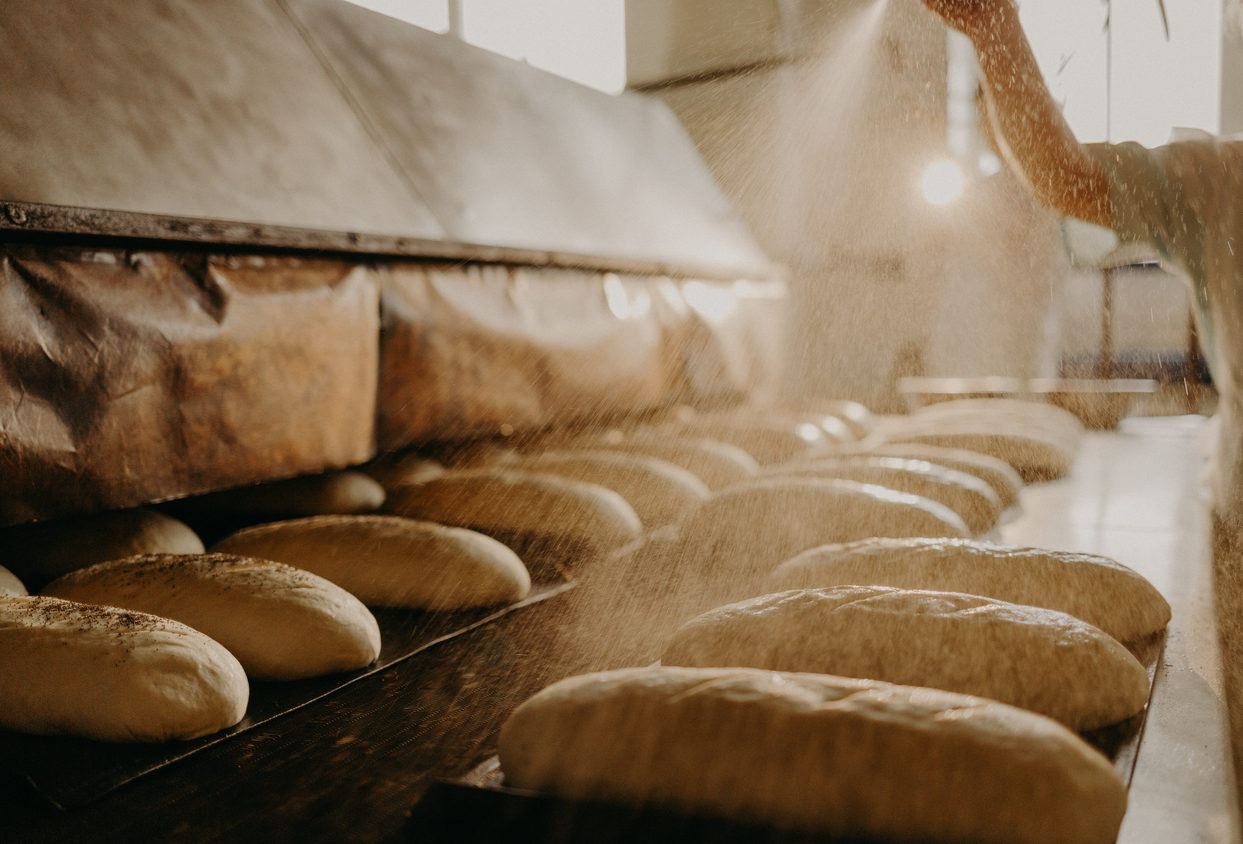
Rising food prices and supply chain disruptions continue to affect households, retailers, and small businesses across Nigeria. In response, many are turning to collaborative purchasing models such as a food buying club in Nigeria to access better pricing, improve consistency, and reduce procurement challenges.
This article explains how food buying clubs work, their benefits, and how businesses can leverage structured sourcing and logistics support to maximise value.
What Is a Food Buying Club?
A food buying club is a group of individuals or businesses that pool their purchasing power to buy food products in bulk directly from suppliers, farmers, or distributors. By aggregating demand, members can access wholesale prices that are typically unavailable to smaller buyers.
In Nigeria, these clubs are increasingly relevant for:
- SMEs in the food and hospitality sector
- Retailers and informal traders
- Cooperative societies
- Urban households seeking cost savings
Why Food Buying Clubs Are Growing in Nigeria
1. Rising Food Costs
Inflation and fluctuating exchange rates have driven up the cost of imported and locally produced food. Bulk purchasing helps mitigate these increases by securing lower per-unit prices.
2. Supply Chain Inefficiencies
Fragmented supply chains often lead to inconsistent availability and quality. Food buying clubs can streamline sourcing by working with fewer, more reliable suppliers.
3. Increased Demand for Transparency
Consumers and businesses want better visibility into product origins, pricing, and quality. Group sourcing enables more structured procurement and accountability.
Key Benefits of a Food Buying Club in Nigeria
Cost Savings Through Bulk Purchasing
The most immediate benefit is reduced cost per unit. By ordering in large quantities, members can negotiate better pricing directly with producers or wholesalers.
Improved Product Quality
Buying clubs often establish quality standards and vet suppliers, leading to more consistent product quality compared to open-market sourcing.
Reduced Middlemen
By sourcing directly from producers or large distributors, buying clubs minimise unnecessary intermediaries, which reduces markups and inefficiencies.
Better Inventory Planning
With predictable group orders, members can plan inventory more effectively, reducing waste and stockouts.
Challenges of Running a Food Buying Club
While the model offers clear advantages, there are operational challenges to consider:
Coordination and Logistics
Managing group orders, storage, and distribution requires organisation and infrastructure. Without proper systems, delays and inefficiencies can occur.
Quality Control
Ensuring that all products meet agreed standards can be difficult when dealing with multiple suppliers.
Payment and Trust Issues
Collecting funds upfront and managing contributions among members can create trust and accountability concerns.
How to Build an Effective Food Buying Club in Nigeria
Establish Clear Governance
Define roles, responsibilities, and processes for ordering, payments, and distribution. Transparency is key to maintaining trust.
Partner With Reliable Suppliers
Work with vetted suppliers who can consistently deliver quality products in bulk quantities.
Use Structured Logistics Support
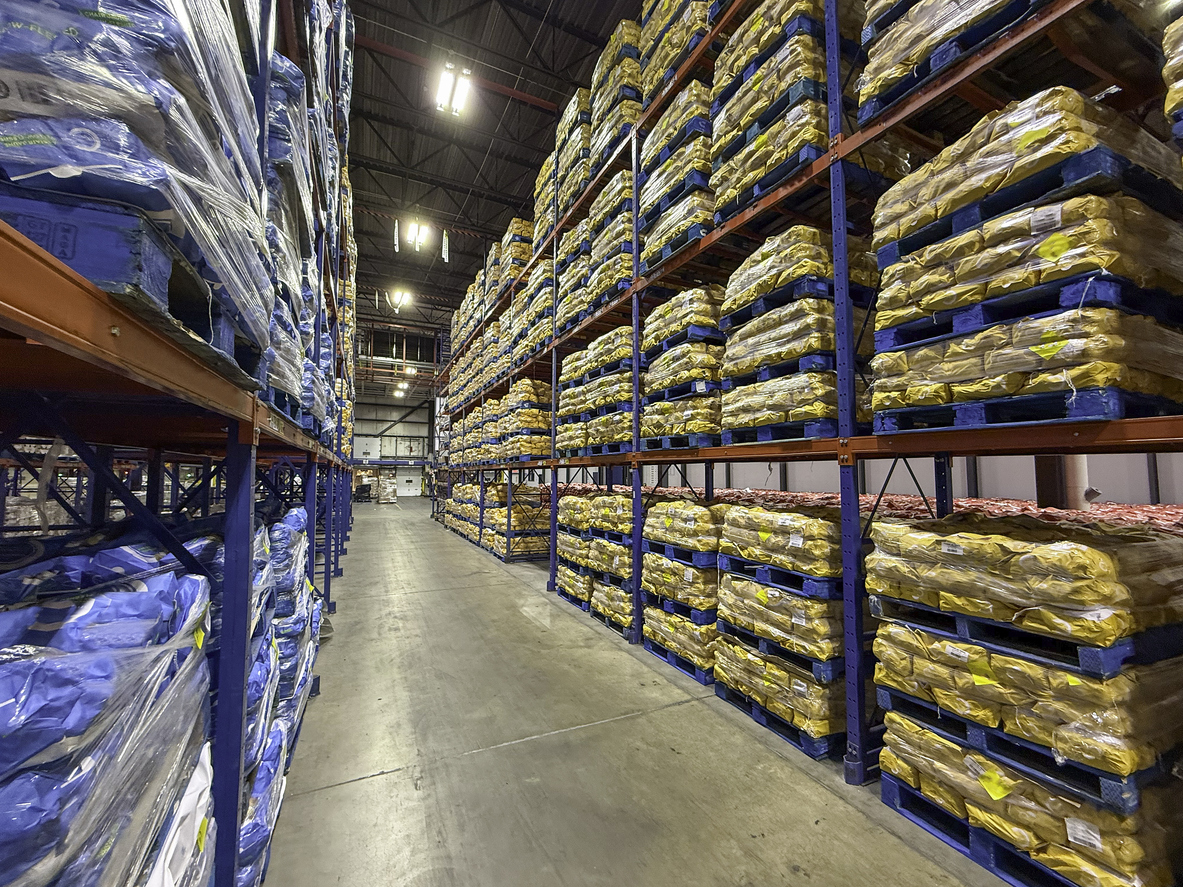
Efficient warehousing, transportation, and delivery systems are essential for handling bulk purchases.
Leverage Professional Sourcing Services
For larger or more complex operations, partnering with an experienced sourcing and distribution company can significantly improve efficiency.
The Role of Wigmore Trading in Supporting Buying Clubs
For businesses or cooperatives looking to scale a food buying club in Nigeria, operational complexity can quickly increase. This is where structured support becomes valuable.
Wigmore Trading can assist by:
- Sourcing food products directly from reliable local and international suppliers
- Managing bulk procurement to ensure competitive pricing
- Handling logistics and distribution, including warehousing and delivery
- Ensuring compliance and quality standards across the supply chain
By integrating professional supply chain management, buying clubs can operate more efficiently and focus on delivering value to their members rather than managing operational challenges.
Is a Food Buying Club Right for Your Business?
A food buying club is particularly beneficial if:
- You regularly purchase food products in moderate quantities
- You want to reduce procurement costs
- You face inconsistent supply or quality issues
- You are part of a cooperative or network with shared needs
However, success depends on proper organisation, reliable partners, and efficient logistics.
Conclusion
A food buying club in Nigeria offers a practical solution to rising food costs and supply chain inefficiencies. By pooling demand, businesses and individuals can access better pricing, improve product quality, and create more stable procurement systems.
To fully realise these benefits, it is essential to combine collaborative purchasing with structured sourcing, logistics, and supplier management.
Wigmore Trading can help.




Comments are closed.