
Restaurant Supply Subscription Nigeria: A Smarter Way to Manage Inventory

Running a restaurant in Nigeria comes with constant operational pressure—managing stock levels, sourcing quality ingredients, and ensuring timely deliveries. For many restaurant owners and food service operators, inconsistent supply chains and fluctuating prices can disrupt daily operations. This is where a restaurant supply subscription Nigeria model is gaining traction as a practical, efficient solution.
By adopting a subscription-based supply system, restaurants can streamline procurement, maintain consistency, and focus more on delivering quality service to customers.
What is a Restaurant Supply Subscription?
A restaurant supply subscription is a structured procurement model where businesses receive regular deliveries of essential supplies—such as food ingredients, packaging materials, and kitchen consumables—based on a pre-agreed schedule.
Instead of placing frequent individual orders, restaurants subscribe to a supply plan tailored to their consumption patterns. This approach reduces administrative workload and improves inventory predictability.
Why the Restaurant Supply Subscription Nigeria Model is Growing
1. Supply Chain Stability
Nigeria’s food supply chain can be affected by factors such as transportation delays, seasonal availability, and market volatility. A subscription model helps mitigate these risks by ensuring consistent sourcing through established supplier networks.
Reliable partners like Wigmore Trading play a key role by coordinating sourcing, warehousing, and distribution, ensuring restaurants receive supplies without interruption.
2. Cost Control and Budgeting
Frequent price fluctuations in local markets make budgeting difficult for restaurant operators. Subscription models often provide more predictable pricing, allowing businesses to plan expenses more effectively.
Bulk sourcing and long-term supplier relationships also help reduce procurement costs over time.
3. Time Efficiency
Manual procurement—negotiating with vendors, tracking orders, and arranging logistics—can consume valuable time. A subscription service automates much of this process, freeing up restaurant managers to focus on operations and customer experience.
Key Components of a Restaurant Supply Subscription
Inventory Planning
Successful subscription models rely on accurate demand forecasting. Restaurants must assess their consumption patterns to determine appropriate order quantities and delivery frequency.
Supplier Reliability
Working with a trusted supply partner is essential. Wigmore Trading supports businesses by connecting them with vetted suppliers across Nigeria and international markets, ensuring quality and consistency.
Logistics and Delivery
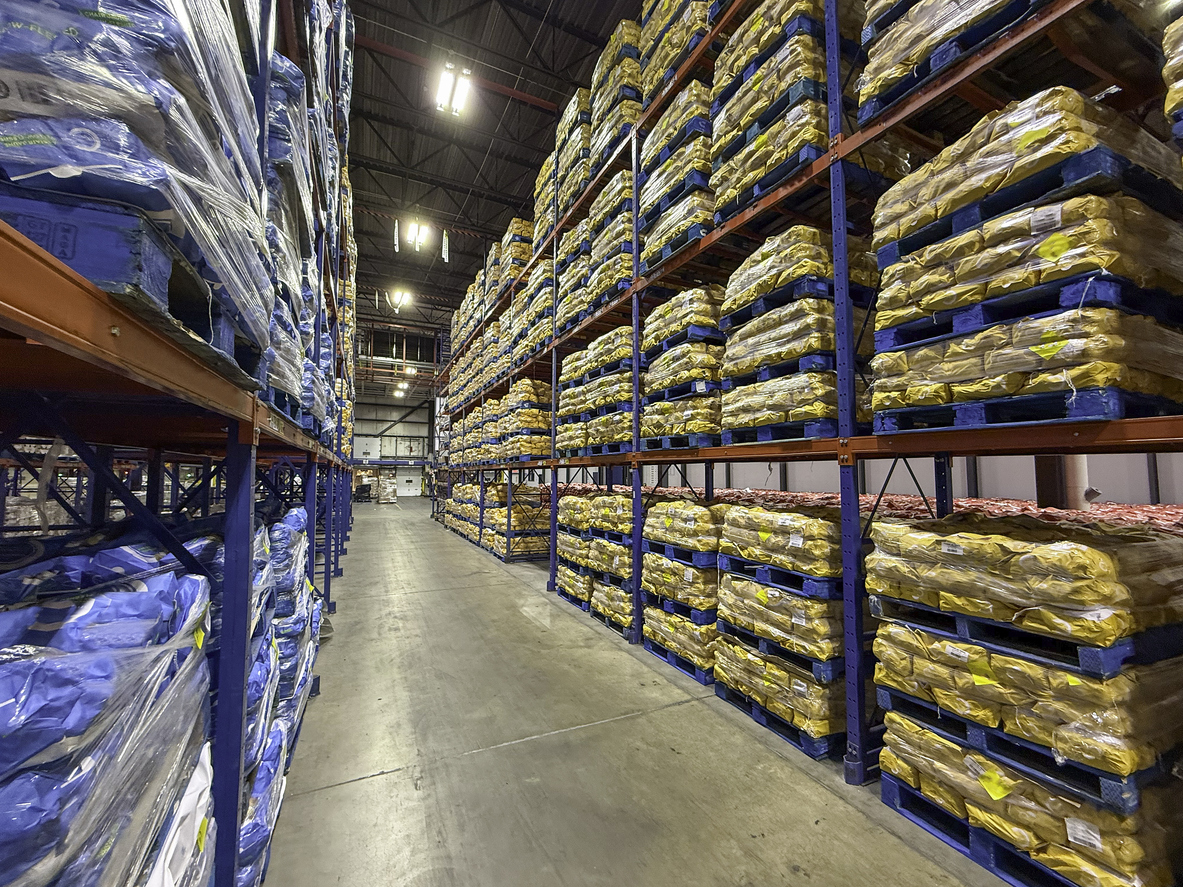
Efficient logistics are critical. Timely delivery ensures that perishable and non-perishable goods arrive in optimal condition. Integrated logistics solutions help minimize delays and reduce spoilage.
Compliance and Quality Assurance
Food safety and regulatory compliance are crucial in the hospitality industry. A structured supply chain ensures that products meet required standards, reducing the risk of non-compliance.
Challenges Restaurants Face Without a Subscription Model
Many restaurants in Nigeria still rely on traditional procurement methods, which can lead to several issues:
- Stock shortages, especially during peak demand periods
- Overstocking, resulting in waste and increased costs
- Inconsistent product quality from multiple vendors
- Logistical delays affecting daily operations
A restaurant supply subscription Nigeria model addresses these challenges by introducing predictability and efficiency into the supply chain.
How Wigmore Trading Supports Restaurant Supply Subscriptions
Wigmore Trading provides end-to-end supply chain solutions tailored to businesses in Nigeria’s food and hospitality sector. Through structured procurement systems, the company helps restaurants implement efficient subscription models.
Key areas of support include:
- Sourcing: Access to reliable local and international suppliers
- Distribution: Coordinated delivery schedules aligned with business needs
- Logistics: Efficient transportation and warehousing solutions
- Compliance: Ensuring products meet regulatory and quality standards
By integrating these services, Wigmore Trading helps restaurants maintain consistent operations while reducing procurement complexity.
Implementing a Subscription Model in Your Restaurant
Step 1: Assess Your Needs
Identify the key supplies your restaurant uses regularly—ingredients, packaging, cleaning products—and determine average consumption levels.
Step 2: Choose the Right Partner
Select a supply chain partner with proven experience in sourcing and logistics. Reliability and transparency are essential for long-term success.
Step 3: Define Delivery Schedules
Set delivery frequencies that match your operational needs—daily, weekly, or monthly—depending on the nature of your supplies.
Step 4: Monitor and Adjust
Regularly review your subscription plan to ensure it aligns with changes in demand, menu offerings, or business growth.
The Future of Restaurant Supply in Nigeria
As Nigeria’s food service industry continues to expand, efficiency and scalability will become increasingly important. Subscription-based supply models are likely to play a larger role in helping restaurants adapt to changing market conditions.
Digital tools, data-driven forecasting, and integrated logistics systems will further enhance the effectiveness of these models, making them a standard practice across the industry.
Conclusion
The restaurant supply subscription Nigeria model offers a practical solution to many of the challenges faced by restaurant operators. By improving supply chain reliability, reducing costs, and saving time, it enables businesses to operate more efficiently and focus on growth.
With the right partner, restaurants can transition from reactive procurement to a structured, proactive supply system.
Wigmore Trading can help. Contact Wigmore Trading today to streamline your sourcing.


Comments are closed.