
Fast Food Supply in Nigeria: Challenges, Opportunities, and Reliable Solutions


Nigeria’s fast food industry has grown rapidly over the past decade, driven by urbanisation, changing lifestyles, and increasing demand for convenient meals. From quick-service restaurants to independent food vendors, the sector depends heavily on efficient sourcing, consistent supply chains, and reliable distribution networks. Understanding fast food supply in Nigeria is essential for businesses aiming to operate successfully in this competitive environment.
Understanding Fast Food Supply in Nigeria
Fast food supply in Nigeria involves the sourcing, storage, and distribution of food ingredients and packaging materials required by restaurants and food vendors. This includes items such as frozen foods, poultry, beverages, grains, cooking oil, and disposable packaging.
The supply chain typically includes:
- Local farmers and producers
- Importers of processed and frozen goods
- Wholesale distributors
- Logistics and cold chain providers
Given Nigeria’s diverse geography and infrastructure limitations, maintaining a consistent supply can be complex. Businesses must balance cost, quality, and availability while navigating logistical and regulatory challenges.
Key Challenges in Fast Food Supply in Nigeria
1. Inconsistent Supply Chains
One of the biggest issues is the inconsistency in supply. Seasonal production, import delays, and infrastructure constraints can disrupt availability. For example, shortages of poultry or frozen products can directly impact menu offerings and profitability.
2. Cold Chain Limitations
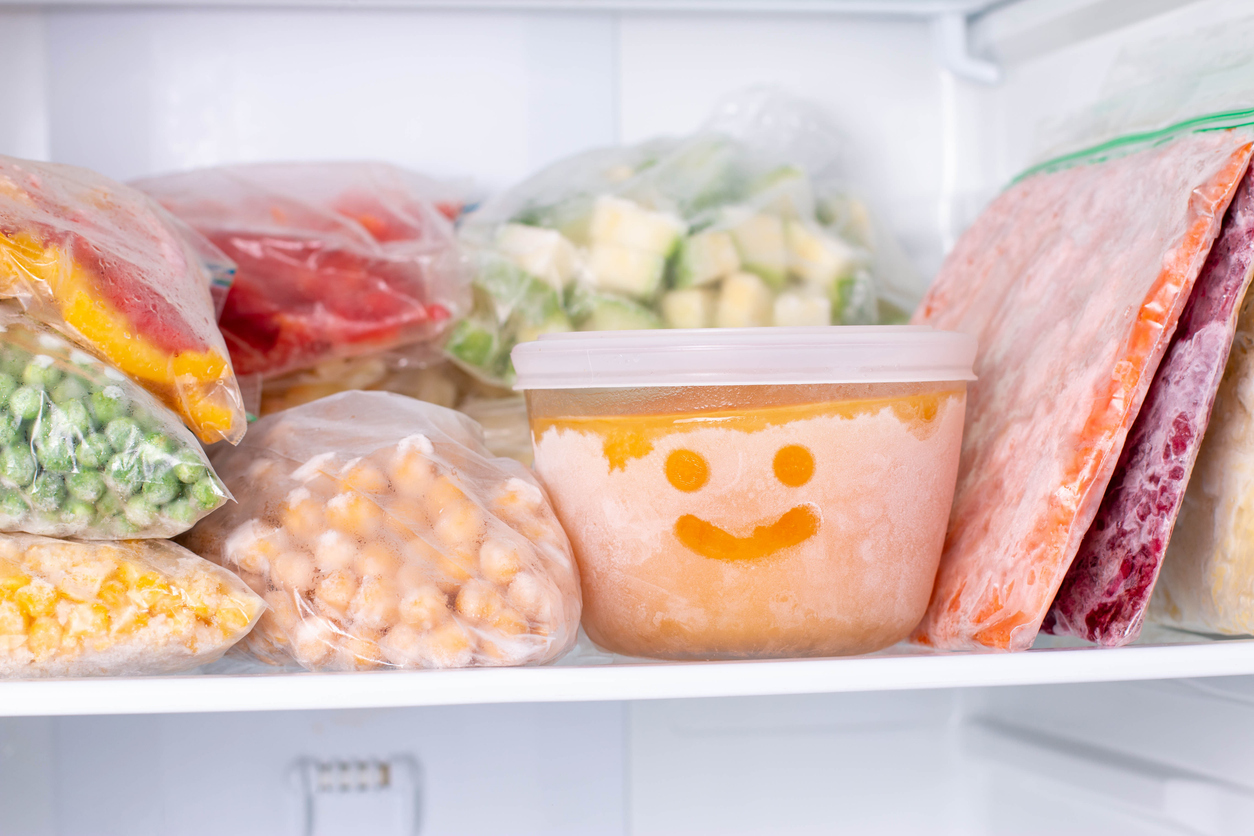
Many fast food products require temperature-controlled storage and transportation. However, cold chain infrastructure in Nigeria is still developing, leading to risks of spoilage and reduced product quality.
3. Import Dependence
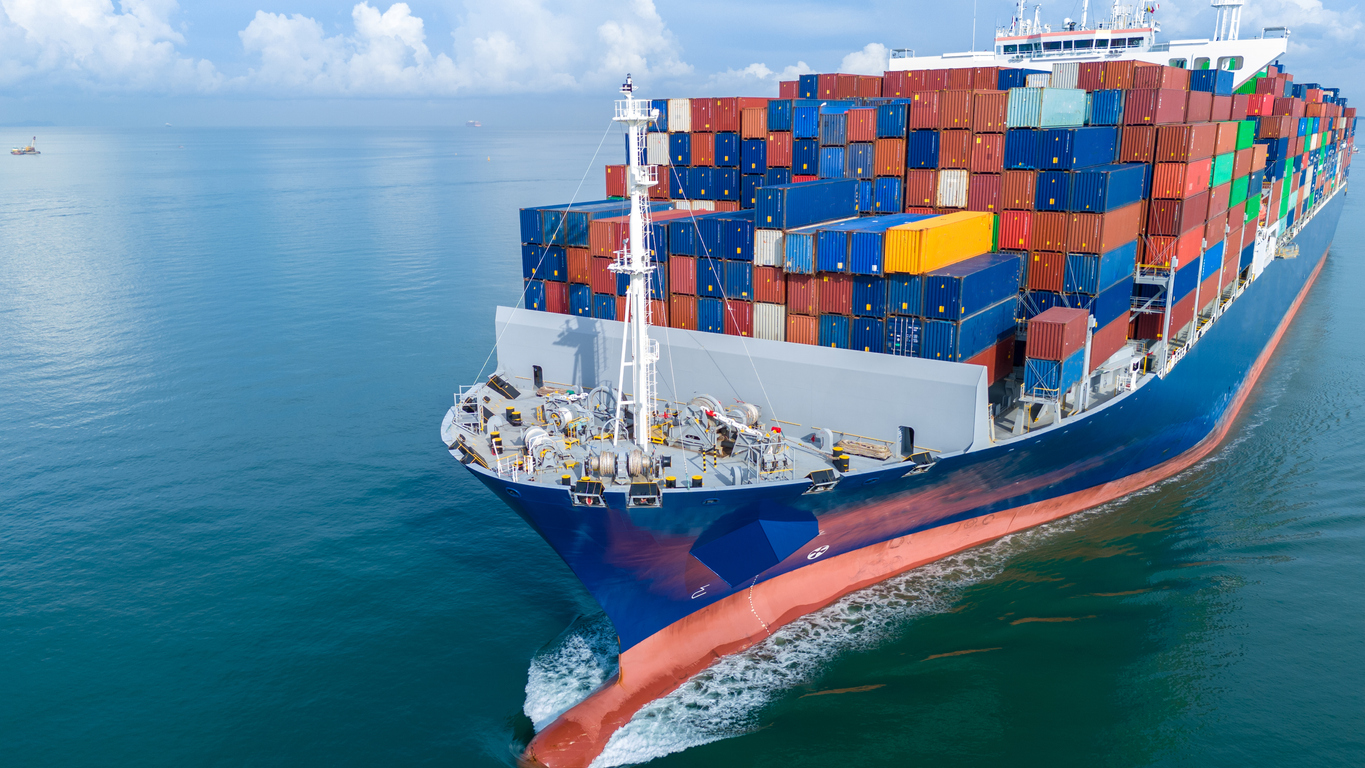
A significant portion of fast food ingredients, such as frozen chicken, fries, and processed foods, are imported. This exposes businesses to:
- Foreign exchange fluctuations
- Customs delays
- Regulatory restrictions
4. Logistics and Transportation Issues
Poor road networks, traffic congestion, and high fuel costs increase the complexity and cost of distribution. Timely delivery is critical for fast food businesses, making logistics a key concern.
5. Regulatory Compliance
Food safety regulations, import requirements, and quality standards must be met. Non-compliance can lead to fines, product seizures, or reputational damage.
Opportunities in Nigeria’s Fast Food Supply Sector
Despite these challenges, the sector presents significant opportunities:
Growing Consumer Demand
Nigeria’s young and urban population continues to drive demand for quick-service meals. This creates a steady need for reliable suppliers and distributors.
Expansion of Quick-Service Restaurants
Both local and international fast food brands are expanding across major cities such as Lagos, Abuja, and Port Harcourt. This growth increases demand for bulk sourcing and efficient supply chains.
Local Production Development
There is increasing investment in local agriculture and food processing. Businesses that combine local sourcing with strategic imports can create more resilient supply chains.
How to Optimise Fast Food Supply in Nigeria
Build Strong Supplier Networks
Working with multiple suppliers reduces the risk of shortages. Businesses should source both locally and internationally to ensure continuity.
Invest in Cold Chain Solutions
Proper storage and transportation are essential for maintaining product quality. Partnering with logistics providers that offer cold chain services can significantly reduce losses.
Streamline Logistics and Distribution
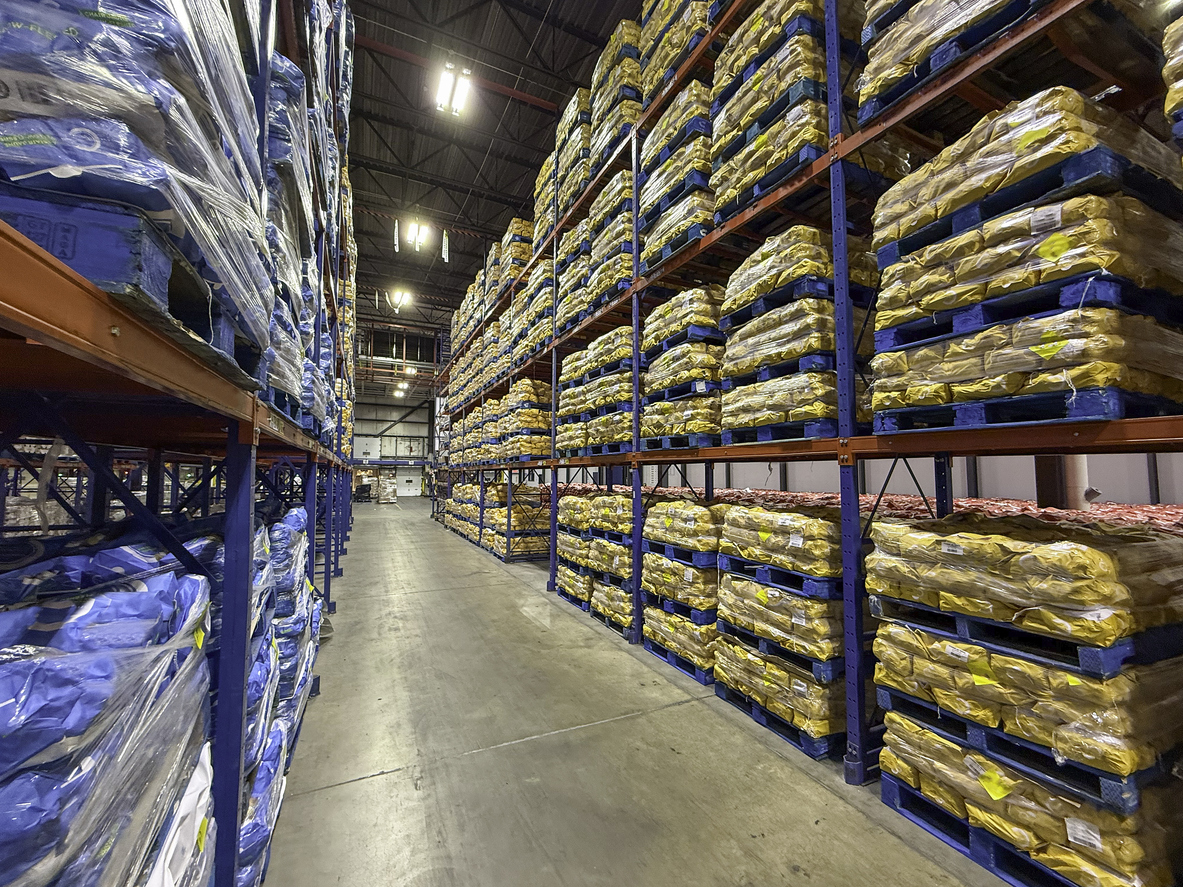
Efficient route planning, reliable transportation partners, and centralised warehousing can improve delivery timelines and reduce costs.
Ensure Regulatory Compliance
Staying updated on import regulations, food safety standards, and documentation requirements helps avoid disruptions and penalties.
The Role of Wigmore Trading in Fast Food Supply in Nigeria
Navigating the complexities of fast food supply in Nigeria requires expertise, reliable sourcing, and efficient logistics. Wigmore Trading supports businesses across the supply chain by offering:
- Global sourcing of food products and FMCG goods
- Import and export management, including customs clearance
- Reliable distribution networks across Nigeria
- Supply chain coordination for consistent delivery
By leveraging established supplier relationships and logistics capabilities, Wigmore Trading helps businesses maintain steady inventory levels and reduce operational risks.
For fast food operators, working with an experienced partner can make the difference between frequent disruptions and a smooth, scalable supply chain.
Conclusion
Fast food supply in Nigeria is both challenging and full of opportunity. While infrastructure gaps, import dependency, and logistical issues remain, businesses that adopt strategic sourcing and efficient supply chain management can thrive.
A reliable partner can help bridge the gap between supply challenges and business growth. Wigmore Trading can help. Contact Wigmore Trading today to streamline your sourcing.

Comments are closed.