
Reliable Stock Supply for Provision Stores in Nigeria: A Practical Guide

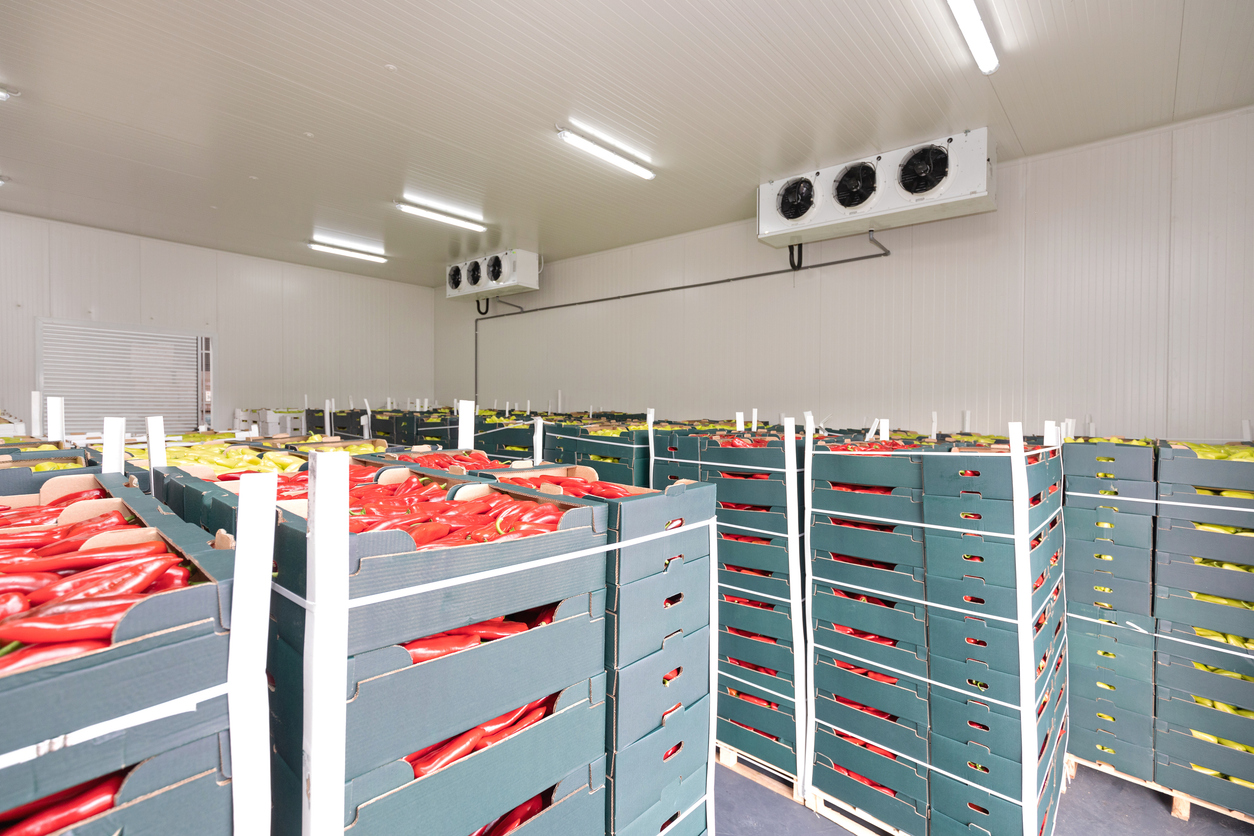
Provision stores remain a critical part of Nigeria’s retail ecosystem, supplying everyday essentials to households across urban and rural communities. However, maintaining a consistent and profitable operation depends heavily on reliable stock supply for provision stores in Nigeria. From sourcing quality goods to managing logistics and pricing, store owners face ongoing challenges that require structured solutions.
This guide explores how provision store operators can improve supply consistency, reduce costs, and scale efficiently.
Understanding Stock Supply for Provision Stores in Nigeria
Provision stores typically deal in fast-moving consumer goods (FMCG), including packaged foods, beverages, toiletries, and household items. Demand is constant, but supply chains can be unpredictable due to:
- Price fluctuations from manufacturers and distributors
- Limited access to wholesale pricing
- Transportation and logistics delays
- Inconsistent product availability
For store owners, these issues can lead to stockouts, lost sales, and reduced customer trust.
Key Challenges in Stock Supply Management
1. Inconsistent Supplier Networks
Many provision store owners rely on multiple small-scale suppliers. While this may offer flexibility, it often results in inconsistent pricing and unreliable delivery timelines.
2. Cash Flow Constraints
Bulk purchasing typically offers better margins, but not all retailers have the capital to buy in large quantities. This limits their ability to compete with larger stores.
3. Logistics and Distribution Issues
Poor infrastructure, fuel costs, and inefficient delivery systems can delay restocking, especially in remote areas.
4. Counterfeit or Low-Quality Goods
Without trusted sourcing channels, store owners risk purchasing substandard or counterfeit products, which can damage their reputation.
How to Improve Stock Supply Efficiency
Build Strong Supplier Relationships
Working with verified distributors or wholesale partners helps ensure consistent product quality and pricing. Establishing long-term relationships can also provide access to better credit terms and priority supply.
Adopt Bulk Purchasing Strategies
Where possible, pooling resources with other retailers or working with a centralized distributor can help reduce costs and improve access to stock.
Use Inventory Management Practices
Simple tracking systems—whether manual or digital—can help monitor fast-moving items, prevent overstocking, and identify reorder points.
Diversify Product Sourcing
Avoid relying on a single supplier. Having alternative sources ensures continuity in case of disruptions.
The Role of Structured Supply Chains in Nigeria
A more organized approach to stock supply for provision stores in Nigeria involves integrating sourcing, warehousing, and distribution into a single streamlined process. This is where structured trading and logistics companies play an important role.
Companies like Wigmore Trading support provision store operators by offering:
- Access to a wide range of FMCG products
- Competitive wholesale pricing
- Reliable sourcing from verified manufacturers
- Efficient logistics and nationwide distribution
By working with an experienced supply chain partner, retailers can reduce uncertainty and focus more on growing their business.
Leveraging Wholesale Distribution for Growth
Wholesale distribution is essential for provision store sustainability. Instead of purchasing from open markets with fluctuating prices, retailers benefit from:
- Stable pricing structures
- Consistent product availability
- Improved profit margins
- Reduced procurement time
Wigmore Trading, for example, connects Nigerian retailers with both local and international suppliers, ensuring access to high-demand products without the typical supply chain bottlenecks.
Logistics and Last-Mile Delivery Considerations
Efficient logistics is a key factor in maintaining stock levels. Provision stores should consider:
- Partnering with distributors that offer reliable delivery schedules
- Planning restocking cycles based on demand trends
- Reducing dependency on last-minute purchases
With a structured logistics network, businesses can avoid emergency restocking at higher prices.
Compliance and Product Quality Assurance
Ensuring compliance with Nigerian regulations is essential, especially for food and household products. Retailers should:
- Source products from verified distributors
- Check for NAFDAC registration where applicable
- Avoid grey-market goods
Working with established trading companies helps mitigate these risks by ensuring products meet regulatory standards.
Conclusion
Maintaining a reliable stock supply for provision stores in Nigeria requires more than just buying goods—it involves strategic sourcing, efficient logistics, and strong supplier relationships. As the retail landscape becomes more competitive, store owners who adopt structured supply chain solutions will be better positioned to grow and remain profitable.
Wigmore Trading can help. Contact Wigmore Trading today to streamline your sourcing.






Comments are closed.