
Reliable Food Storage Service in Nigeria: Ensuring Quality, Safety, and Supply Chain Efficiency

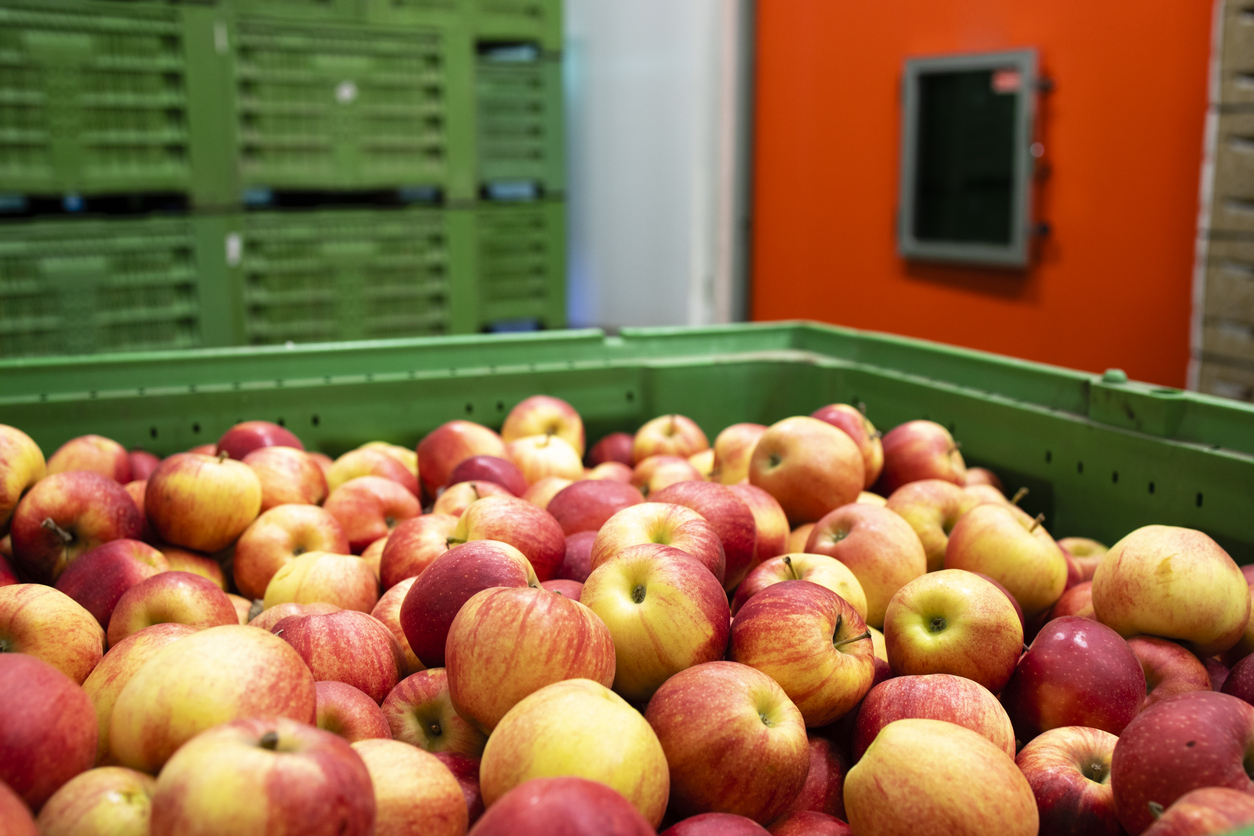
Nigeria’s food supply chain faces persistent challenges, from post-harvest losses to inconsistent storage infrastructure. For businesses operating in FMCG, agriculture, and wholesale distribution, accessing a dependable food storage service in Nigeria is critical to maintaining product quality, reducing waste, and ensuring steady market supply.
This article explores the importance of professional food storage solutions, key challenges in Nigeria’s storage ecosystem, and how businesses can optimise their operations with the right partners.
The Importance of Food Storage Service in Nigeria
Food storage plays a vital role in preserving perishable and non-perishable goods across the supply chain. In Nigeria, where high temperatures, humidity, and infrastructure gaps can accelerate spoilage, proper storage is essential.
A reliable food storage service in Nigeria helps businesses:
- Maintain product freshness and safety standards
- Extend shelf life of perishable goods
- Reduce post-harvest losses
- Ensure consistent supply to retailers and consumers
For importers and distributors, effective storage also supports regulatory compliance and inventory management.
Key Challenges in Nigeria’s Food Storage Sector
Despite growing demand, several issues affect food storage efficiency across the country.
1. Inadequate Cold Chain Infrastructure
Temperature-controlled storage facilities remain limited in many regions. This affects products such as dairy, frozen foods, and pharmaceuticals.
2. Poor Warehouse Conditions
Many storage facilities lack proper ventilation, pest control, or humidity management, leading to contamination and spoilage.
3. Logistics and Distribution Gaps
Delays in transportation and poor road networks can disrupt storage timelines, especially for time-sensitive goods.
4. Compliance and Quality Standards
Meeting food safety regulations can be challenging without structured systems for monitoring and documentation.
Choosing the Right Food Storage Service in Nigeria
Selecting a professional storage provider is essential for maintaining product integrity and operational efficiency. Businesses should consider the following factors:
Temperature-Controlled Facilities
Cold storage and ambient warehouses should meet international standards to preserve different categories of goods.
Inventory Management Systems
Modern storage services provide tracking systems that improve visibility, reduce losses, and streamline operations.
Strategic Location
Warehouses located near ports, major cities, or distribution hubs reduce transit time and costs.
Compliance and Certification
Facilities should adhere to local and international food safety regulations, ensuring products remain market-ready.
How Wigmore Trading Supports Food Storage and Distribution
For businesses navigating Nigeria’s complex supply chain environment, partnering with an experienced provider can make a significant difference.
Wigmore Trading offers integrated solutions that combine sourcing, warehousing, and logistics support. By working with trusted storage partners and maintaining structured distribution networks, Wigmore Trading helps businesses:
- Secure reliable storage for imported and locally sourced goods
- Maintain product quality through proper handling and storage practices
- Coordinate efficient distribution across Nigeria and West Africa
- Navigate compliance requirements for food and FMCG products
This integrated approach reduces operational risks and ensures smoother supply chain performance.
Benefits of Professional Food Storage Services
Investing in a structured food storage service in Nigeria delivers measurable advantages:
Reduced Waste and Losses
Proper storage significantly lowers spoilage rates, especially for perishable goods.
Improved Supply Chain Efficiency
With organised storage systems, businesses can better manage stock levels and meet demand consistently.
Enhanced Product Quality
Maintaining optimal storage conditions ensures products reach consumers in the best possible state.
Scalability for Growing Businesses
Professional storage solutions allow companies to expand operations without worrying about infrastructure limitations.
Future Trends in Food Storage in Nigeria
The food storage sector in Nigeria is evolving, driven by increased demand and technological advancements.
- Expansion of cold chain logistics
- Adoption of digital inventory systems
- Growth in third-party logistics (3PL) services
- Increased focus on food safety and traceability
Businesses that adopt modern storage solutions early will be better positioned to compete in both local and export markets.
Conclusion
A dependable food storage service in Nigeria is essential for businesses aiming to reduce losses, maintain product quality, and improve supply chain efficiency. With ongoing challenges in infrastructure and logistics, working with experienced partners becomes increasingly important.
Wigmore Trading can help. Contact Wigmore Trading today to streamline your sourcing and storage operations.






Comments are closed.