
How to Reduce Food Waste in Nigeria: Practical Strategies for Businesses and Supply Chains

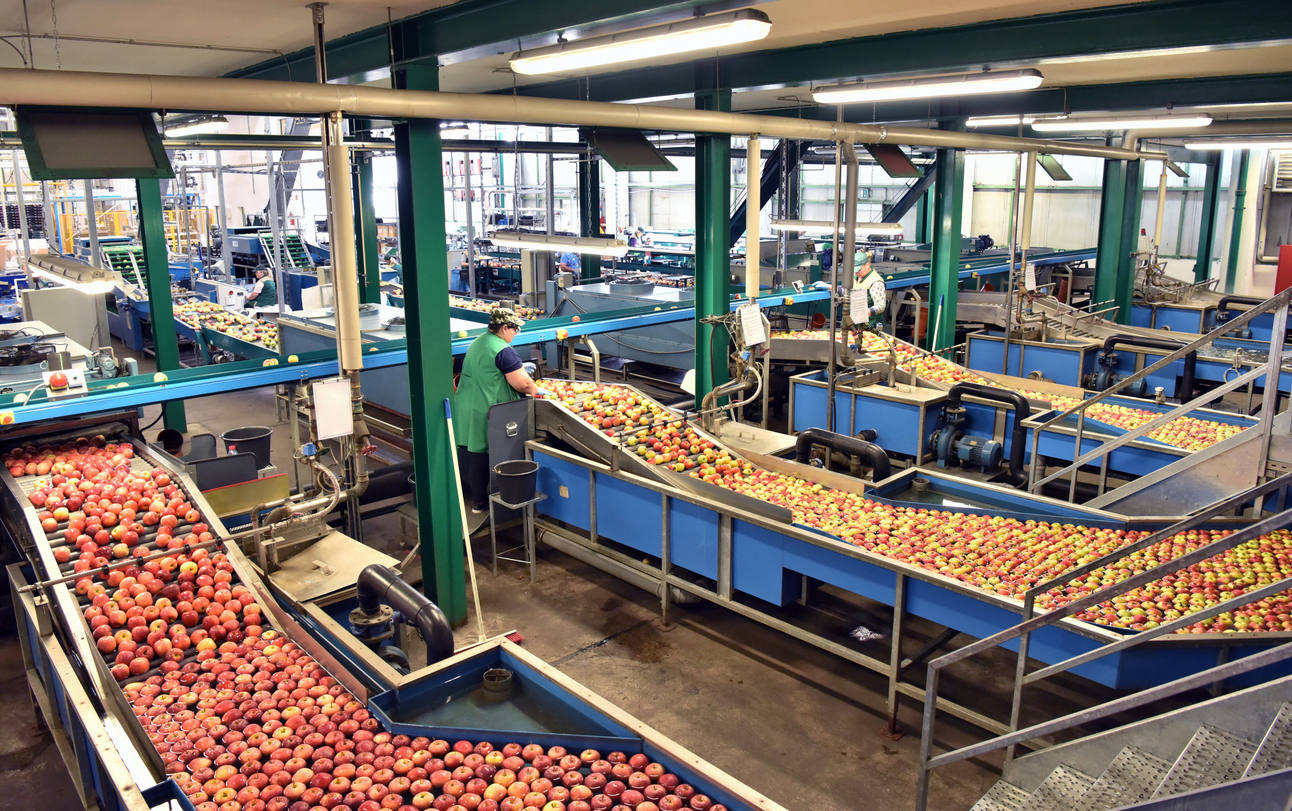
Food waste remains a significant challenge in Nigeria, affecting food security, business profitability, and environmental sustainability. Across the supply chain—from farms to wholesalers, retailers, and consumers—inefficiencies contribute to the loss of valuable food products. For businesses operating in import/export, FMCG, and distribution, addressing this issue is not only socially responsible but also economically beneficial.
This article explores practical ways to reduce food waste in Nigeria, with a focus on supply chain improvements, logistics, and distribution strategies.
Understanding the Scale of Food Waste in Nigeria
Nigeria loses a substantial portion of its food production due to poor infrastructure, inadequate storage, and inefficient transportation systems. Perishable goods such as fruits, vegetables, and dairy products are particularly vulnerable.
Key causes include:
- Limited cold chain infrastructure
- Poor road networks and transport delays
- Inefficient inventory management
- Lack of proper packaging and handling
- Inconsistent demand forecasting
For businesses, these losses translate into reduced margins and missed market opportunities.
Improving Storage and Cold Chain Systems
One of the most effective ways to reduce food waste in Nigeria is by investing in proper storage solutions. Temperature-sensitive goods require reliable cold chain systems to maintain quality during storage and transit.
Businesses can:
- Use refrigerated warehousing for perishable goods
- Invest in temperature-controlled transportation
- Adopt modern packaging that extends shelf life
Companies like Wigmore Trading support businesses by sourcing high-quality storage solutions and facilitating efficient distribution networks, ensuring products reach markets in optimal condition.
Enhancing Logistics and Transportation Efficiency
Transportation inefficiencies are a major contributor to food spoilage. Delays caused by poor planning or inadequate logistics systems can significantly reduce product quality.
To address this, businesses should:
- Optimize delivery routes to reduce transit time
- Partner with reliable logistics providers
- Use real-time tracking systems for shipments
Working with experienced supply chain partners such as Wigmore Trading can help streamline logistics operations, reducing delays and minimizing losses during transportation.
Strengthening Inventory Management Practices
Poor inventory management often leads to overstocking or understocking, both of which contribute to waste. Businesses must adopt data-driven approaches to better manage stock levels.
Effective strategies include:
- Implementing inventory tracking systems
- Using demand forecasting tools
- Applying the First-In, First-Out (FIFO) method
By improving stock rotation and aligning supply with demand, businesses can significantly reduce waste and improve profitability.
Better Packaging and Handling to Reduce Food Waste in Nigeria
Packaging plays a critical role in preserving food quality. Inadequate or improper packaging increases the risk of contamination and spoilage.
Businesses should:
- Use durable, food-grade packaging materials
- Implement standardized handling procedures
- Train staff on proper loading and unloading techniques
Wigmore Trading assists businesses in sourcing appropriate packaging solutions tailored to different product categories, helping maintain product integrity throughout the supply chain.
Leveraging Technology and Data
Technology can transform how businesses manage food supply chains. Digital tools enable better visibility, forecasting, and decision-making.
Key solutions include:
- Supply chain management software
- Real-time inventory monitoring
- Predictive analytics for demand planning
These tools help businesses identify inefficiencies early and take corrective action before losses occur.
Reducing Waste Through Smarter Distribution Networks
Efficient distribution ensures that food products reach markets quickly and in good condition. Businesses should focus on building responsive and flexible distribution systems.
Approaches include:
- Expanding regional distribution hubs
- Partnering with local distributors
- Aligning supply with regional demand patterns
Wigmore Trading supports businesses by connecting them with reliable distribution channels across Nigeria and West Africa, ensuring timely delivery and reduced waste.
Collaboration Across the Supply Chain
Reducing food waste requires collaboration between producers, distributors, retailers, and logistics providers. Strong partnerships enable better coordination and resource sharing.
Businesses can:
- Share demand data with suppliers
- Coordinate delivery schedules
- Establish long-term supplier relationships
By working with experienced partners like Wigmore Trading, businesses can improve coordination across the supply chain and reduce inefficiencies.
Conclusion
Efforts to reduce food waste in Nigeria must focus on improving infrastructure, logistics, inventory management, and collaboration across the supply chain. For businesses, these improvements not only reduce losses but also enhance operational efficiency and profitability.
By adopting practical strategies and leveraging reliable partners, companies can play a significant role in minimizing food waste while strengthening their market position.
Wigmore Trading can help. Contact Wigmore Trading today to streamline your sourcing, logistics, and distribution operations.






Comments are closed.