
Cold Storage for Retailers in Nigeria: Improving Freshness and Supply Chain Efficiency

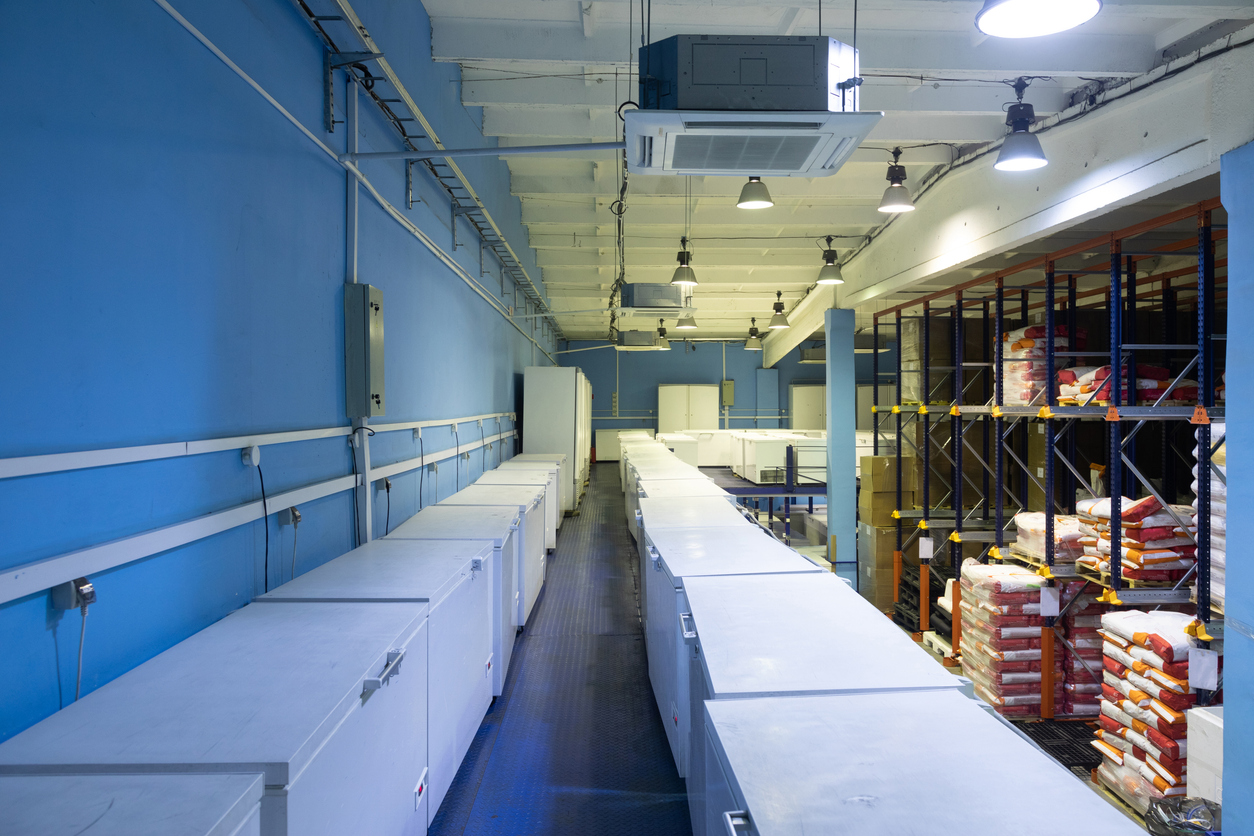
Cold storage for retailers in Nigeria has become increasingly important as demand for fresh and high-quality food products continues to grow. From supermarkets and grocery stores to pharmaceutical retailers, maintaining the right storage conditions is critical to reducing waste, preserving product quality, and meeting customer expectations.
However, many retailers face challenges related to unreliable power supply, inadequate infrastructure, and inefficient logistics. Understanding how to implement effective cold storage solutions can significantly improve operations and profitability.
The Importance of Cold Storage in Retail
Cold storage plays a vital role in preserving perishable goods such as fruits, vegetables, dairy products, meat, seafood, and certain pharmaceuticals. Without proper temperature control, these products deteriorate quickly, leading to losses and potential health risks.
For retailers in Nigeria, the benefits of cold storage include:
- Extended shelf life of perishable goods
- Reduced product spoilage and waste
- Improved product quality and safety
- Increased customer trust and satisfaction
As consumer demand for fresh and imported goods grows, retailers must invest in reliable storage systems to remain competitive.
Key Challenges Facing Retailers
Power Supply and Energy Costs
One of the biggest obstacles to cold storage for retailers in Nigeria is inconsistent electricity. Frequent power outages can disrupt temperature control, leading to spoilage. Backup generators increase operational costs, making cold storage expensive to maintain.
Infrastructure Limitations
Many retailers operate in areas with limited access to modern cold storage facilities. Smaller businesses, in particular, may lack the capital to invest in advanced refrigeration systems.
Logistics and Distribution Issues
Maintaining the cold chain during transportation is another challenge. Without proper refrigerated logistics, products can lose quality before reaching retail shelves.
Types of Cold Storage Solutions
Retailers can adopt different cold storage options depending on their scale and business needs.
On-Site Refrigeration
This includes commercial refrigerators, freezers, and walk-in cold rooms installed at retail locations. These systems allow direct control over storage conditions but require consistent power and maintenance.
Third-Party Cold Storage Facilities
Outsourcing storage to specialized providers can be more cost-effective for some retailers. These facilities offer controlled environments and reduce the need for upfront investment.
Mobile and Modular Cold Storage
Innovative solutions such as solar-powered cold rooms and portable storage units are becoming more popular in Nigeria. These options help address power challenges and are suitable for smaller retailers or rural areas.
Best Practices for Cold Storage Management
To maximise the benefits of cold storage, retailers should adopt the following strategies:
- Temperature Monitoring: Use digital systems to track and maintain optimal temperatures
- Regular Maintenance: Ensure equipment is serviced to prevent breakdowns
- Efficient Inventory Management: Implement first-in, first-out (FIFO) systems to reduce waste
- Staff Training: Educate employees on proper handling and storage procedures
These practices help maintain product integrity and improve operational efficiency.
How Wigmore Trading Supports Retailers
For businesses looking to improve cold storage for retailers in Nigeria, partnering with an experienced supply chain provider can make a significant difference.
Wigmore Trading offers integrated solutions that address key challenges in sourcing, logistics, and distribution. By leveraging established networks and industry expertise, Wigmore Trading helps retailers:
- Source high-quality perishable goods from reliable suppliers
- Maintain cold chain integrity through efficient logistics
- Navigate import regulations and compliance requirements
- Optimise supply chain processes to reduce costs and delays
With a strong presence in African trade, Wigmore Trading provides practical support tailored to the needs of retailers operating in Nigeria’s dynamic market.
Future Trends in Cold Storage
The cold storage sector in Nigeria is evolving, driven by technology and increasing demand for fresh products. Key trends include:
- Adoption of solar-powered refrigeration systems
- Expansion of cold chain logistics infrastructure
- Increased investment in warehouse automation
- Growth of e-commerce and last-mile delivery solutions
Retailers that embrace these innovations will be better positioned to meet customer expectations and scale their operations.
Conclusion
Cold storage for retailers in Nigeria is no longer optional—it is essential for maintaining product quality, reducing waste, and staying competitive in a growing market. While challenges such as power supply and infrastructure remain, practical solutions and strategic partnerships can help overcome these obstacles.
By investing in reliable storage systems and adopting best practices, retailers can improve efficiency and profitability while delivering better value to customers.
Wigmore Trading can help. Contact Wigmore Trading today to streamline your sourcing and cold chain operation.






Comments are closed.