
Cold Storage for Farmers in Nigeria: Reducing Post-Harvest Losses and Improving Market Access


Nigeria’s agricultural sector plays a critical role in food security, employment, and economic growth. However, one of the most persistent challenges facing farmers is post-harvest loss, particularly for perishable goods such as fruits, vegetables, dairy, and fish. Limited access to cold storage for farmers in Nigeria continues to undermine productivity and profitability across the value chain.
Improving cold storage infrastructure is not only essential for reducing waste but also for enhancing supply chain efficiency, stabilising prices, and expanding market opportunities.
Why Cold Storage for Farmers in Nigeria Is Essential
Agricultural produce in Nigeria is highly susceptible to spoilage due to high temperatures, poor handling, and inadequate storage facilities. According to industry estimates, post-harvest losses can reach up to 40% for perishable goods.
Cold storage helps to:
- Extend the shelf life of produce
- Maintain quality and nutritional value
- Reduce financial losses for farmers
- Enable bulk storage and better price negotiation
Without proper cold chain systems, farmers are often forced to sell immediately after harvest at lower prices, limiting their income potential.
Key Challenges Facing Cold Storage Adoption
Despite its importance, access to cold storage for farmers in Nigeria remains limited due to several structural challenges.
High Cost of Infrastructure
Cold storage facilities require significant upfront investment, including refrigeration units, energy supply, and maintenance systems. Many smallholder farmers cannot afford these costs independently.
Unreliable Power Supply
Cold storage depends heavily on consistent electricity. In many rural farming areas, power supply is inconsistent or unavailable, making operations difficult without alternative energy solutions.
Limited Supply Chain Integration
Cold storage is most effective when integrated into a broader logistics and distribution network. Many farmers lack access to organised supply chains that support refrigerated transport and storage.
Lack of Awareness and Training
Some farmers are not fully aware of the benefits of cold storage or lack the technical knowledge to utilise these systems effectively.
Opportunities for Improving Cold Storage Systems
Addressing these challenges requires a combination of investment, innovation, and collaboration across the agricultural value chain.
Solar-Powered Cold Storage Solutions
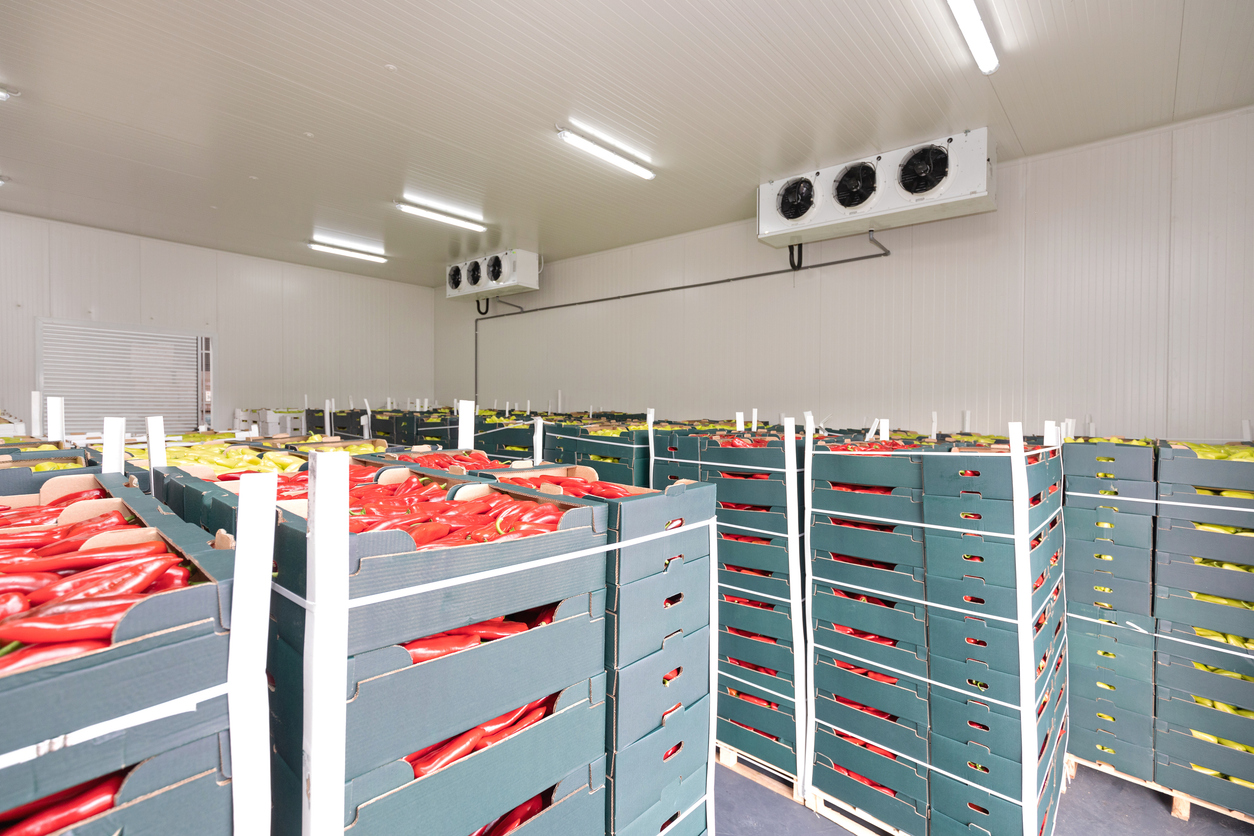
Solar-powered cold rooms are increasingly being adopted as a viable solution in off-grid rural areas. These systems reduce dependence on unreliable electricity and lower operating costs over time.
Cooperative Storage Models
Farmer cooperatives can pool resources to invest in shared cold storage facilities. This reduces individual costs and improves access to storage infrastructure.
Public-Private Partnerships
Government and private sector collaboration can accelerate the development of cold chain infrastructure through funding, subsidies, and policy support.
Integration with Logistics Networks
Efficient cold storage must be supported by reliable transportation and distribution systems. This ensures that produce remains fresh from farm to market.
The Role of Logistics and Distribution in Cold Storage
Cold storage alone is not sufficient without an effective cold chain logistics system. Transportation, warehousing, and last-mile delivery must all maintain temperature control to preserve product quality.
This is where experienced supply chain partners play a crucial role. Companies like Wigmore Trading support agricultural businesses by providing:
- Structured sourcing and procurement solutions
- Efficient warehousing and inventory management
- Reliable distribution networks across Nigeria and beyond
- Expertise in handling FMCG and perishable goods
By integrating cold storage into a broader logistics strategy, farmers and agribusinesses can significantly improve efficiency and reduce waste.
Market Benefits of Cold Storage for Farmers
Expanding access to cold storage for farmers in Nigeria creates several economic and commercial advantages.
Improved Pricing Power
Farmers can store produce and sell when market prices are more favourable, rather than being forced into immediate sales.
Access to Export Markets
Cold storage enables compliance with international quality standards, opening opportunities for export into regional and global markets.
Reduced Food Waste
Lower post-harvest losses contribute to food security and better resource utilisation.
Growth of Agro-Processing Industries
With better storage, raw materials are more readily available for processing industries, supporting value addition and industrial growth.
How Wigmore Trading Supports Agricultural Supply Chains
Efficient cold storage systems require more than just infrastructure—they depend on well-managed supply chains. Wigmore Trading works with farmers, distributors, and agribusinesses to streamline sourcing, storage, and distribution processes.
By leveraging strong logistics networks and industry expertise, Wigmore Trading helps ensure that agricultural products move efficiently from farm to market while maintaining quality standards. This is particularly important for perishable goods that rely on temperature-controlled handling.
Conclusion
The expansion of cold storage for farmers in Nigeria is critical to reducing post-harvest losses, improving farmer incomes, and strengthening the agricultural value chain. While challenges such as infrastructure costs and energy supply remain, innovative solutions like solar-powered systems and cooperative models are making cold storage more accessible.
As the sector continues to evolve, integrating cold storage with efficient logistics and distribution networks will be key to unlocking its full potential.
Wigmore Trading can help. Contact Wigmore Trading today to streamline your sourcing.




Comments are closed.