

Reliable Emergency Food Supply in Nigeria: What Businesses and Households Need to Know

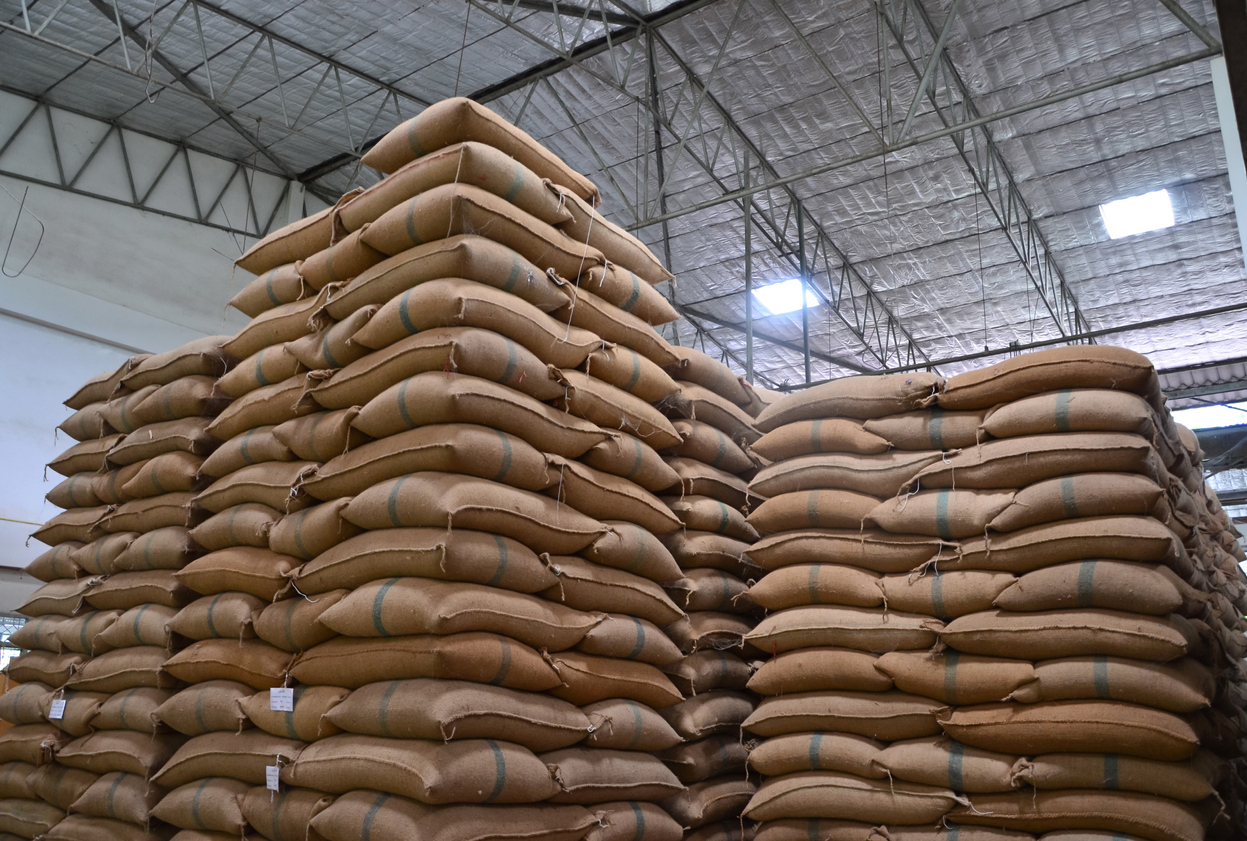
In recent years, the importance of a reliable emergency food supply in Nigeria has become increasingly evident. From economic disruptions and inflation to climate-related challenges and supply chain bottlenecks, both households and businesses must be prepared to manage food security risks effectively.
This article explores the key considerations for building a dependable emergency food supply system in Nigeria, the challenges involved, and how structured sourcing and distribution support can make a critical difference.
Understanding the Need for Emergency Food Supply in Nigeria
Nigeria’s food supply chain is highly dynamic but also vulnerable to disruptions. Factors such as transportation delays, fluctuating fuel prices, import dependency, and seasonal agricultural output can impact food availability.
An emergency food supply is not just about stockpiling—it involves:
- Strategic sourcing of essential food items
- Proper storage and shelf-life management
- Efficient distribution networks
- Reliable supplier partnerships
For businesses, especially those in FMCG, hospitality, and retail, maintaining continuity during disruptions is essential for operations and customer trust.
Key Components of an Effective Emergency Food Supply System
1. Selection of Essential Food Products
A well-planned emergency food supply should focus on staple and long-lasting items such as:
- Rice, beans, and grains
- Canned goods and preserved foods
- Powdered milk and beverages
- Cooking oil and condiments
These products are widely consumed in Nigeria and have relatively long shelf lives, making them suitable for emergency planning.
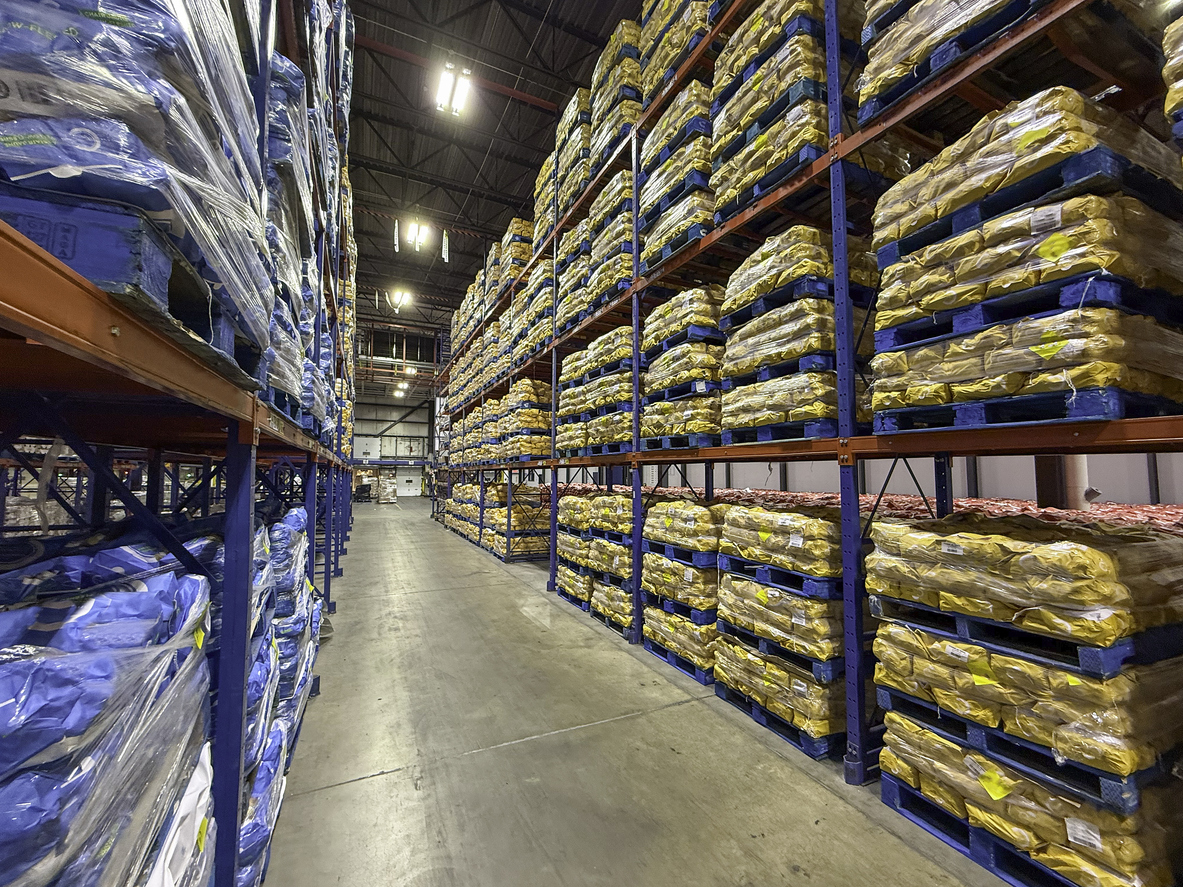
2. Storage and Inventory Management
Proper storage is critical to avoid spoilage and waste. Businesses and households should consider:
- Temperature-controlled environments where necessary
- Moisture-proof packaging
- Inventory rotation systems (FIFO – First In, First Out)
For large-scale operations, warehouse management systems can help track stock levels and expiry dates efficiently.
3. Reliable Sourcing Channels
One of the biggest challenges in maintaining an emergency food supply in Nigeria is inconsistent access to quality products. Working with trusted suppliers ensures:
- Consistent product quality
- Competitive pricing through bulk sourcing
- Reduced risk of counterfeit or substandard goods
This is particularly important for distributors and retailers who depend on steady supply chains.
Challenges in Emergency Food Supply in Nigeria
Supply Chain Disruptions
Logistics issues such as port congestion, road infrastructure limitations, and customs delays can affect the timely movement of goods.
Price Volatility
Food prices in Nigeria can fluctuate due to currency changes, import costs, and seasonal factors, making it difficult to maintain stable stock levels.
Storage Limitations
Inadequate storage facilities can lead to product losses, especially for perishable or semi-perishable goods.
Practical Solutions for Businesses and Distributors
Diversified Sourcing Strategy
Relying on multiple sourcing channels—both local and international—can reduce risk. Importers and wholesalers should balance local procurement with strategic imports.
Strong Logistics Planning
Efficient transportation and distribution networks are essential. This includes:
- Route optimisation
- Reliable haulage partners
- Real-time tracking systems
Compliance and Quality Assurance
Ensuring that all food products meet Nigerian regulatory standards (such as NAFDAC requirements) is critical for safety and business continuity.
How Wigmore Trading Supports Emergency Food Supply in Nigeria
Navigating the complexities of food sourcing and distribution requires expertise and established networks. Wigmore Trading plays a key role in supporting businesses with:
- Bulk sourcing of essential food commodities from trusted global and local suppliers
- End-to-end logistics solutions, including importation, warehousing, and distribution
- Regulatory compliance support, ensuring products meet Nigerian standards
- Supply chain optimisation, helping businesses maintain consistent stock levels
By leveraging established supplier relationships and logistics infrastructure, Wigmore Trading helps reduce the risks associated with supply disruptions and price instability.
Building Long-Term Food Supply Resilience
An effective emergency food supply strategy is not just a short-term solution—it is part of long-term resilience planning. Businesses that invest in structured procurement, reliable partnerships, and efficient logistics are better positioned to withstand disruptions.
For households, maintaining a modest but consistent запас of essential food items can provide security during uncertain periods.
Conclusion
The need for a dependable emergency food supply in Nigeria continues to grow as businesses and households face evolving economic and logistical challenges. By focusing on proper sourcing, storage, and distribution strategies, it is possible to build a resilient system that ensures consistent access to essential food items.
Wigmore Trading can help. Contact Wigmore Trading today to streamline your sourcing.



Comments are closed.