
Building a Strong Food Supply Partnership in Nigeria: A Strategic Guide for Businesses

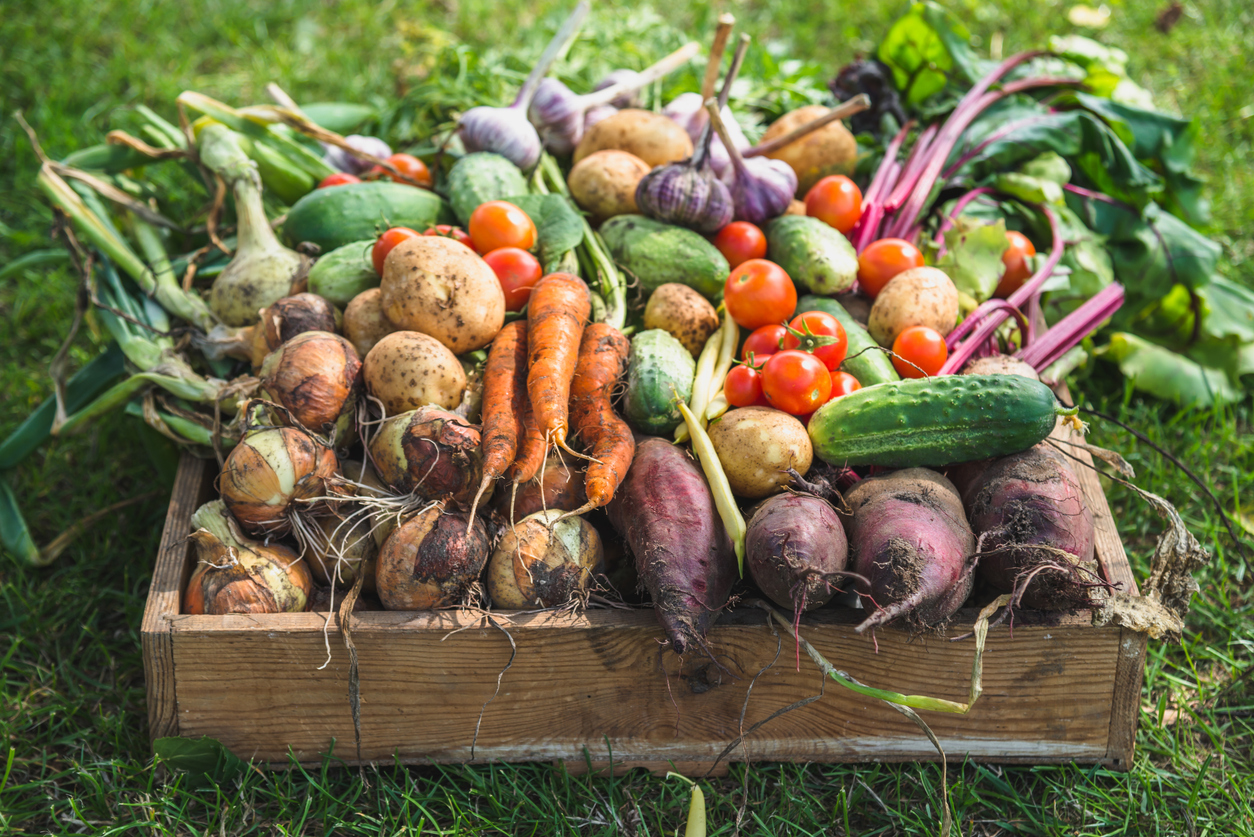
Nigeria’s food supply chain is one of the largest and most dynamic in Africa, driven by a growing population, rapid urbanisation, and increasing demand for fast-moving consumer goods (FMCG). However, inefficiencies in sourcing, logistics, and distribution often create bottlenecks for businesses.
Establishing a food supply partnership in Nigeria is a practical way for companies to improve reliability, reduce costs, and scale operations effectively. This article explores how businesses can build strong partnerships, the challenges involved, and how structured support can improve outcomes.
Understanding the Food Supply Landscape in Nigeria
Nigeria’s food supply chain involves multiple stakeholders, including farmers, aggregators, importers, distributors, and retailers. While the market offers significant opportunities, it is also characterised by:
- Fragmented supply networks
- Inconsistent product quality
- Infrastructure and logistics constraints
- Regulatory and compliance complexities
For businesses operating in wholesale distribution or import/export, these challenges can lead to delays, increased costs, and stock inconsistencies.
A well-structured food supply partnership in Nigeria helps address these issues by creating stable, long-term relationships across the supply chain.
Key Benefits of a Food Supply Partnership in Nigeria
Improved Supply Chain Reliability
Partnerships ensure consistent product availability by reducing dependency on multiple unreliable sources. This is particularly important for FMCG businesses that require steady inventory flow.
Cost Efficiency Through Consolidation
Working with a trusted partner allows for bulk sourcing, streamlined logistics, and reduced operational overhead. Businesses can benefit from economies of scale and better pricing structures.
Enhanced Quality Control
Reliable partners implement standardised quality checks, ensuring products meet regulatory and market expectations. This reduces the risk of rejected shipments or customer dissatisfaction.
Better Market Access
A strong partnership can open access to new distribution channels, including retail networks, wholesalers, and regional markets within Nigeria and across West Africa.
Common Challenges in Building Food Supply Partnerships
Supplier Fragmentation
Many suppliers operate on a small scale, making it difficult to maintain consistent supply volumes and quality.
Solution: Partnering with an experienced sourcing and distribution company helps consolidate suppliers and standardise processes.
Logistics and Infrastructure Issues
Poor road networks, port congestion, and limited cold chain infrastructure can disrupt food distribution.
Solution: Businesses benefit from working with logistics partners that understand local conditions and can manage transportation efficiently.
Regulatory Compliance
Import regulations, food safety standards, and documentation requirements can be complex and time-consuming.
Solution: A knowledgeable partner can handle compliance processes, ensuring all products meet Nigerian regulatory standards.
How to Build an Effective Food Supply Partnership in Nigeria
1. Define Clear Objectives
Businesses should outline their supply needs, including product types, volumes, and delivery timelines. This clarity helps in selecting the right partner.
2. Choose a Reliable Partner
Selecting a partner with proven experience in sourcing, logistics, and distribution is critical. Look for:
- Established supplier networks
- Strong logistics capabilities
- Knowledge of regulatory requirements
3. Establish Transparent Communication
Clear communication ensures alignment on expectations, pricing, and delivery schedules. Regular updates help prevent disruptions.
4. Implement Scalable Systems
As demand grows, supply chain systems must adapt. Digital tracking, inventory management, and forecasting tools can improve efficiency.
5. Focus on Long-Term Collaboration
Rather than short-term transactions, businesses should prioritise long-term partnerships that foster trust and stability.
The Role of Strategic Supply Chain Partners
Companies like Wigmore Trading play a key role in strengthening food supply partnership in Nigeria by offering integrated solutions across the supply chain.
This includes:
- Sourcing food products from reliable local and international suppliers
- Managing import/export processes and compliance
- Coordinating logistics and distribution across Nigeria
- Supporting wholesale and FMCG businesses with consistent supply
By centralising these functions, businesses can reduce operational complexity and focus on growth.
Conclusion
Building a successful food supply partnership in Nigeria requires careful planning, reliable partners, and a clear understanding of the local market. With the right approach, businesses can overcome supply chain challenges, improve efficiency, and expand their reach.
Strategic partnerships not only enhance operational performance but also create long-term value in a competitive market.
Wigmore Trading can help. Contact Wigmore Trading today to streamline your sourcing.






Comments are closed.