

Profitable Opportunities in Agriculture Logistics Investment in Nigeria


Nigeria’s agricultural sector remains one of the largest contributors to GDP and employment, yet inefficiencies in logistics continue to limit its full potential. As demand for food distribution, export-ready produce, and supply chain efficiency grows, agriculture logistics investment in Nigeria is becoming an increasingly attractive opportunity for businesses and investors.
From post-harvest losses to fragmented transportation networks, the sector presents both challenges and strong commercial potential. This article explores the opportunities, risks, and practical pathways for investing in agricultural logistics in Nigeria.
Understanding Agriculture Logistics Investment in Nigeria
Agriculture logistics refers to the systems and processes involved in moving agricultural products from farms to markets, processors, and export channels. This includes storage, transportation, cold chain infrastructure, and distribution networks.
Agriculture logistics investment in Nigeria focuses on improving these systems to reduce waste, increase efficiency, and enhance market access. Key areas include:
- Cold storage facilities
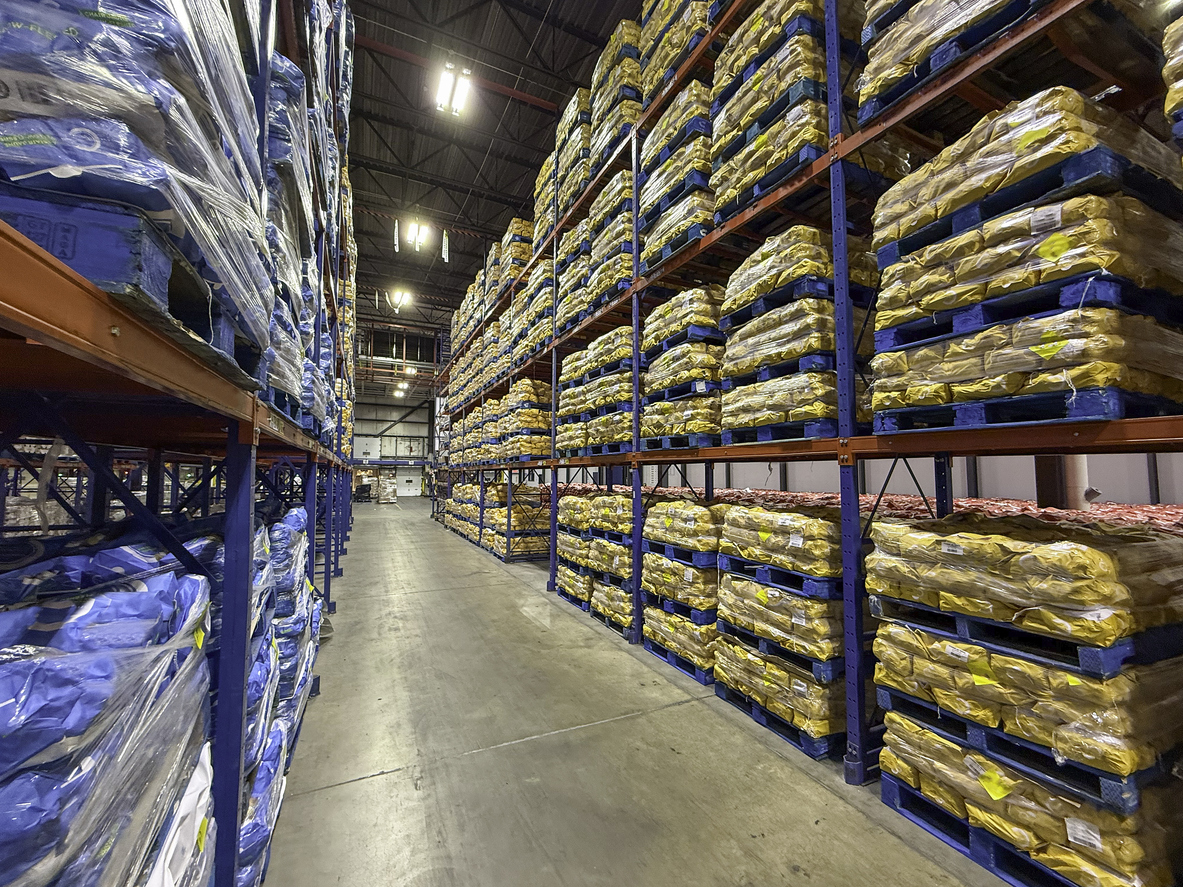
- Warehousing and aggregation centres
- Transportation (road, rail, and inland waterways)
- Export logistics and port handling
- Supply chain digitisation
Investments in these areas help bridge the gap between production and consumption while supporting both local and international trade.
Key Opportunities in Nigeria’s Agricultural Logistics Sector
1. Reducing Post-Harvest Losses
Nigeria loses a significant percentage of its agricultural output due to poor storage and transportation. Investing in cold chain logistics and modern warehousing can significantly reduce these losses.
For example, perishable goods such as fruits, vegetables, and dairy products require temperature-controlled environments. Investors who provide these solutions can tap into a growing demand while improving food security.
2. Expanding Export Potential
Nigeria is increasingly focused on diversifying its economy through agricultural exports such as cocoa, sesame seeds, ginger, and cashew nuts. However, export logistics remains a bottleneck.
Efficient logistics systems—including packaging, quality control, and compliance with international standards—are critical. Companies like Wigmore Trading support exporters by managing sourcing, documentation, and shipping processes, helping businesses access global markets more effectively.
3. Growing FMCG and Retail Demand
Urbanisation and population growth are driving demand for fast-moving consumer goods (FMCG). This increases the need for reliable agricultural supply chains to feed processing industries and retail markets.
Investing in distribution networks that connect rural producers with urban centres can create strong commercial returns while stabilising supply chains.
Challenges Facing Agriculture Logistics Investment in Nigeria
Infrastructure Limitations
Road networks in rural farming areas are often underdeveloped, increasing transportation time and costs. This directly affects product quality and pricing.
Regulatory and Compliance Issues
Exporting agricultural goods requires adherence to strict international standards. Without proper guidance, businesses may face delays or rejected shipments.
Fragmented Supply Chains
Many smallholder farmers operate independently, making aggregation and consistent supply a challenge.
Practical Solutions for Investors
Build Integrated Supply Chains
Rather than focusing on a single component, investors should consider integrated logistics solutions—combining storage, transportation, and distribution.
Leverage Partnerships
Working with experienced trading and logistics firms can reduce operational risks. Wigmore Trading, for instance, offers end-to-end support including sourcing, warehousing, compliance, and international shipping, enabling investors to scale efficiently.
Invest in Technology
Digital platforms for tracking inventory, managing logistics, and connecting farmers to markets can improve transparency and efficiency.
Focus on Strategic Locations
Establish logistics hubs near major agricultural zones or transport corridors to optimise distribution and reduce costs.
The Role of Wigmore Trading in Agriculture Logistics
Navigating Nigeria’s agricultural logistics landscape requires expertise in sourcing, compliance, and distribution. Wigmore Trading plays a key role by supporting businesses with:
- Reliable sourcing from verified suppliers
- Efficient warehousing and distribution solutions
- Export documentation and regulatory compliance
- End-to-end logistics coordination
By leveraging such expertise, investors can reduce risk and focus on scaling their operations within the agricultural sector.
Conclusion
Agriculture logistics investment in Nigeria offers strong commercial potential driven by rising food demand, export opportunities, and the need for efficient supply chains. While challenges such as infrastructure gaps and regulatory complexities exist, strategic investments and partnerships can unlock significant value.
Businesses that focus on integrated logistics solutions, technology adoption, and reliable partnerships will be well-positioned to succeed in this evolving market.
Wigmore Trading can help. Contact Wigmore Trading today to streamline your sourcing.





Comments are closed.