
How a Retailer Supply App in Nigeria is Transforming FMCG Distribution

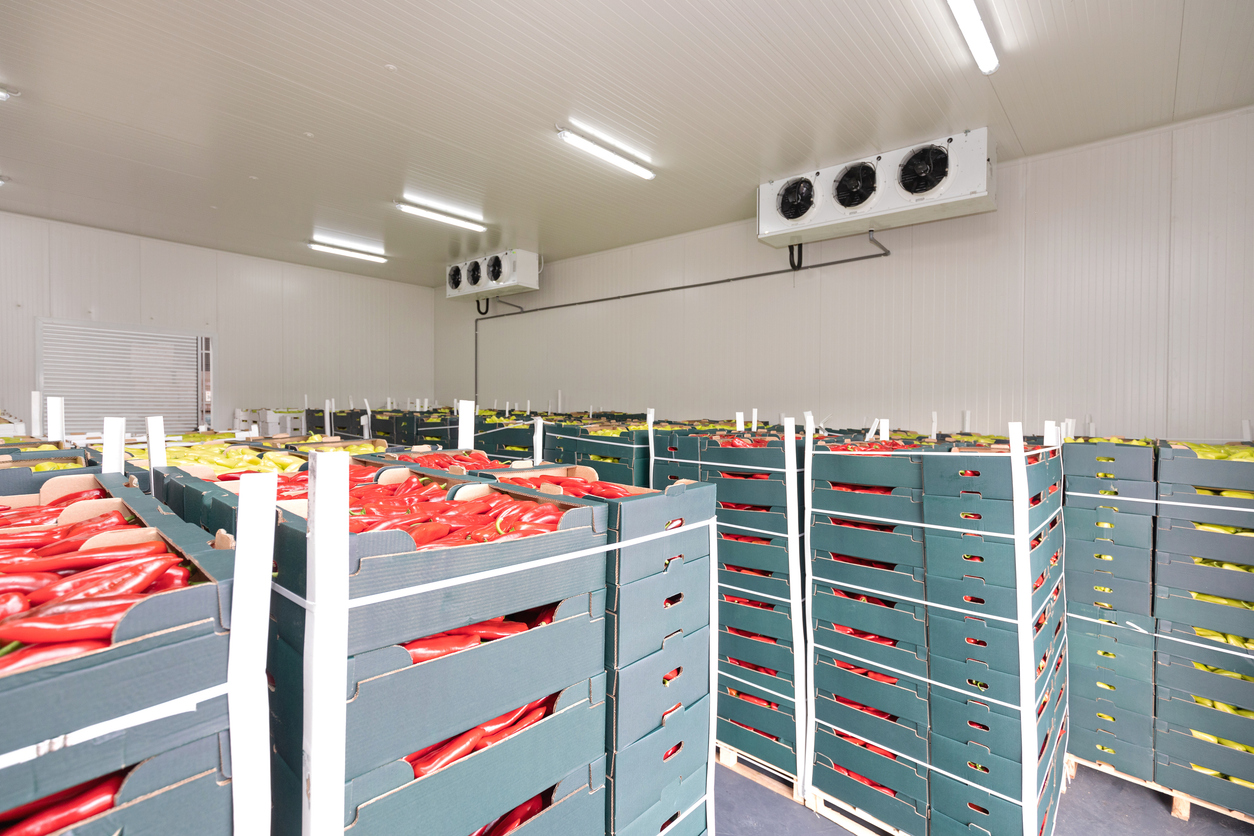
Nigeria’s retail sector is evolving rapidly, driven by urbanisation, digital adoption, and the growing demand for fast-moving consumer goods (FMCG). One of the most significant developments in recent years is the rise of the retailer supply app in Nigeria, which is reshaping how small and medium-sized retailers source products, manage inventory, and interact with suppliers.
For distributors, importers, and wholesalers, understanding how these platforms work—and how to integrate them into existing supply chains—is critical for maintaining efficiency and competitiveness.
What is a Retailer Supply App in Nigeria?
A retailer supply app is a digital platform that connects retailers directly with suppliers, distributors, and wholesalers. These apps allow retailers to browse product catalogues, place orders, track deliveries, and manage payments—all from a mobile device.
In Nigeria, where informal retail still dominates, these apps help bridge the gap between fragmented supply chains and modern distribution systems.
Key Benefits of Using a Retailer Supply App in Nigeria
Improved Access to Inventory
Retailers often face challenges such as inconsistent supply, stockouts, or limited access to a variety of products. A retailer supply app provides real-time visibility into available stock across multiple suppliers.
This ensures:
- Faster restocking cycles
- Wider product selection
- Reduced dependency on middlemen
Streamlined Ordering and Logistics
Manual ordering processes can be inefficient and prone to errors. With digital platforms, retailers can place orders instantly and track shipments in real time.
For distributors and logistics providers, this creates opportunities to optimise delivery routes and consolidate shipments—reducing operational costs.
Better Price Transparency
Price inconsistencies are common in traditional distribution networks. A retailer supply app in Nigeria introduces greater transparency by allowing retailers to compare prices across suppliers.
This fosters:
- Competitive pricing
- Fairer market access
- Improved trust between stakeholders
Challenges Facing Retail Supply Apps in Nigeria
Despite their advantages, retailer supply apps are not without challenges.
Infrastructure and Connectivity
While smartphone adoption is growing, inconsistent internet access in some regions can limit app usability. This affects order processing and communication between retailers and suppliers.
Logistics and Last-Mile Delivery
Efficient last-mile delivery remains a major hurdle. Poor road infrastructure, traffic congestion, and security concerns can delay shipments and increase costs.
Supplier Fragmentation
Nigeria’s supply chain is highly fragmented, with many small-scale suppliers operating independently. Integrating these suppliers into a unified digital ecosystem requires coordination and compliance with standards.
How Wigmore Trading Supports Digital Retail Supply Chains
As retailer supply apps continue to expand, businesses need reliable partners to ensure consistent product availability, efficient logistics, and regulatory compliance.
Wigmore Trading plays a key role in supporting this ecosystem by:
Reliable Product Sourcing
Wigmore Trading helps businesses source high-quality FMCG products from trusted global and local manufacturers. This ensures that retailer supply apps can maintain consistent inventory levels.
Efficient Distribution Networks
By leveraging established logistics and warehousing capabilities, Wigmore Trading supports timely product delivery across Nigeria. This is especially important for apps aiming to scale operations and meet growing demand.
Compliance and Import Expertise
Importing FMCG goods into Nigeria involves navigating regulatory requirements, including customs clearance and documentation. Wigmore Trading provides expertise in compliance, reducing delays and ensuring smooth market entry.
Integrating Retailer Supply Apps with Traditional Distribution
For many businesses, the goal is not to replace traditional distribution systems but to enhance them.
Retailer supply apps can be integrated into existing supply chains by:
- Digitising order management processes
- Improving demand forecasting through data analytics
- Enhancing communication between retailers and distributors
This hybrid approach allows companies to retain the strengths of established networks while benefiting from digital efficiency.
Future Outlook for Retailer Supply Apps in Nigeria
The adoption of retailer supply apps in Nigeria is expected to grow as more retailers embrace digital tools. Key trends include:
- Expansion into rural and underserved markets
- Integration with mobile payment systems
- Use of data analytics for demand forecasting
- Partnerships between tech platforms and established distributors
As the ecosystem matures, collaboration between technology providers, logistics companies, and trading firms will be essential to unlock its full potential.
Conclusion
The rise of the retailer supply app in Nigeria marks a significant shift in how goods are distributed across the country. By improving access to inventory, streamlining logistics, and increasing transparency, these platforms are addressing long-standing inefficiencies in the retail supply chain.
However, challenges such as infrastructure gaps and logistics constraints remain. Businesses that combine digital tools with strong sourcing and distribution partnerships will be best positioned to succeed.
Wigmore Trading can help. Contact Wigmore Trading today to streamline your sourcing.





Comments are closed.