
Fintech Solutions for Managing Inflation in Nigeria: Practical Strategies for Businesses
Talk to us about this service
Trade, import, logistics, sourcing — whatever you're planning, the fastest way to a quote is a WhatsApp message. Our team replies during Lagos business hours.
WhatsApp usYour message tells us which page you came from
Inflation remains one of the most pressing challenges for businesses operating in Nigeria. Rising costs of goods, currency volatility, and supply chain disruptions continue to affect profitability and long-term planning. In response, many companies are turning to digital financial tools to mitigate these risks.
This article explores fintech solutions for managing inflation and how Nigerian businesses—particularly in import/export, FMCG, and wholesale distribution—can leverage these tools to maintain stability and growth.
Understanding Inflation’s Impact on Nigerian Businesses
Nigeria’s inflationary environment directly affects core business operations:
- Increased cost of imported goods due to currency depreciation
- Reduced consumer purchasing power
- Higher logistics and transportation expenses
- Cash flow instability and planning challenges
For businesses involved in cross-border trade or large-scale distribution, these pressures can disrupt supply chains and reduce competitiveness. Addressing inflation is no longer just a financial issue—it is a strategic priority.
Fintech Solutions for Managing Inflation in Nigeria
Adopting the right fintech tools can help businesses reduce exposure to inflation risks while improving operational efficiency. Below are key solutions gaining traction in Nigeria.
1. Digital Payment Platforms for Cost Efficiency
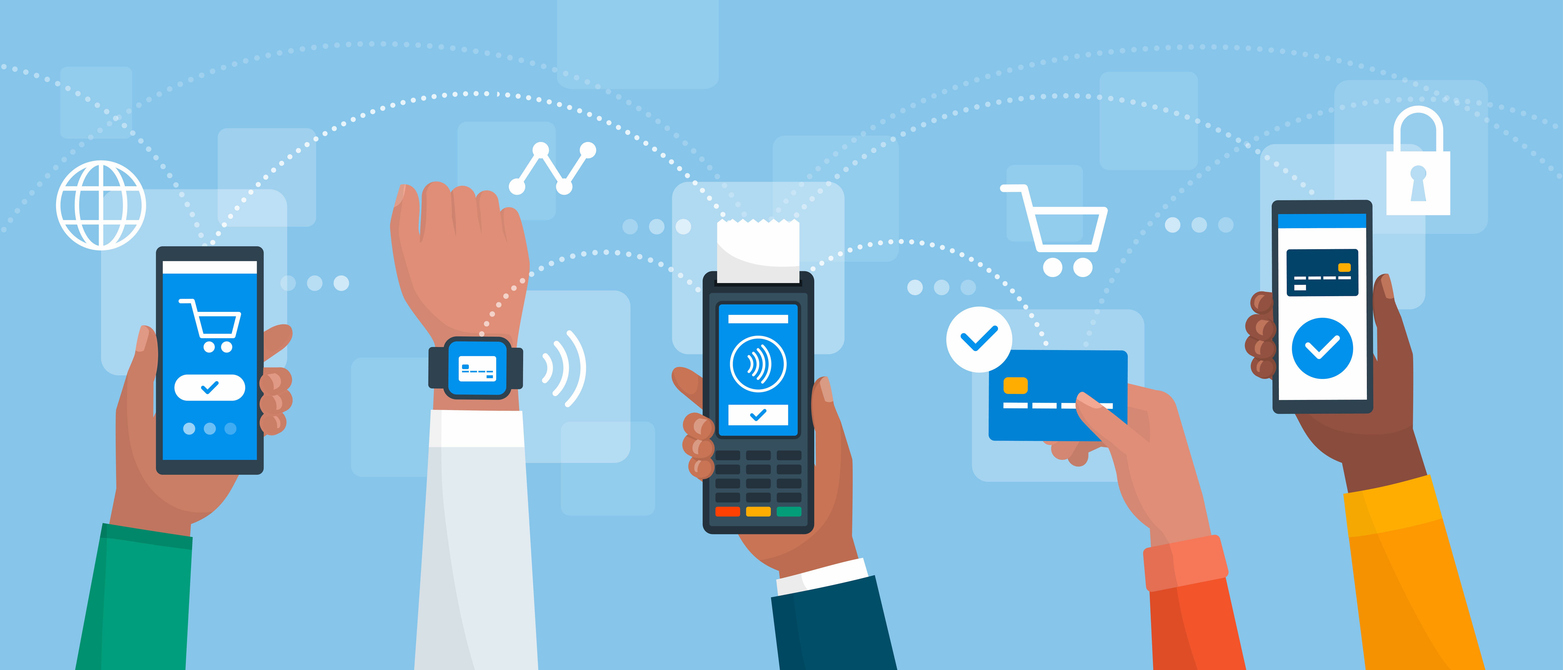
Digital payment systems reduce transaction costs and improve speed compared to traditional banking methods. Businesses can:
- Avoid excessive bank charges
- Enable faster supplier payments
- Improve reconciliation and financial tracking
For importers and distributors, efficient payment systems also reduce delays in procurement cycles, helping maintain consistent inventory levels despite price fluctuations.
2. Multi-Currency Wallets and FX Management
Currency volatility is a major driver of inflation in Nigeria, particularly for import-dependent businesses.
Multi-currency fintech platforms allow companies to:
- Hold funds in stable foreign currencies
- Hedge against naira depreciation
- Pay international suppliers without repeated conversion costs
This is especially useful for businesses sourcing goods from Europe, Asia, or the Middle East. Combined with strategic sourcing partners like Wigmore Trading, businesses can better manage foreign exchange exposure while ensuring consistent supply.
3. Access to Digital Credit and Working Capital
Inflation often creates liquidity pressure, making it harder for businesses to maintain inventory or expand operations.
Fintech lending platforms provide:
- Quick access to short-term financing
- Flexible repayment structures
- Data-driven credit assessments
This enables wholesalers and FMCG distributors to maintain stock levels even when costs rise. However, businesses must carefully evaluate interest rates to ensure borrowing does not compound inflationary pressures.
4. Expense Management and Automation Tools
Fintech platforms offering automated expense tracking and analytics help businesses identify inefficiencies.
Key benefits include:
- Real-time visibility into spending
- Identification of cost-saving opportunities
- Better budgeting and forecasting
In high-inflation environments, small inefficiencies can quickly erode margins. Automation ensures tighter financial control and informed decision-making.
5. Blockchain and Smart Contracts for Trade Transparency
Although still emerging, blockchain-based solutions are becoming relevant for international trade.
They can help businesses:
- Lock in prices through smart contracts
- Improve transparency with suppliers
- Reduce fraud and transaction disputes
For companies involved in import/export, this technology can stabilise pricing agreements and reduce uncertainty caused by fluctuating costs.
Integrating Fintech with Supply Chain Strategy
While fintech tools are powerful, their effectiveness increases when combined with strong supply chain management.
Businesses should focus on:
- Diversifying suppliers to reduce dependency
- Negotiating bulk purchasing agreements
- Optimising logistics to reduce transportation costs
This is where experienced partners like Wigmore Trading play a crucial role. By supporting sourcing, procurement, and distribution across international markets, Wigmore Trading helps businesses secure competitive pricing and maintain supply consistency—even in inflationary conditions.
Practical Steps for Businesses
To successfully adopt fintech solutions, Nigerian businesses should:
- Assess financial vulnerabilities
Identify areas most affected by inflation (e.g., imports, logistics, cash flow). - Select relevant fintech tools
Focus on solutions that directly address those vulnerabilities. - Integrate with existing operations
Ensure fintech platforms align with accounting, procurement, and logistics systems. - Monitor performance regularly
Track cost savings, efficiency improvements, and ROI. - Work with trusted partners
Combine digital tools with reliable sourcing and logistics providers to maximise impact.
The Role of Wigmore Trading in Inflation Management
While fintech addresses financial efficiency, businesses also need operational resilience. Wigmore Trading supports companies by:
- Sourcing goods at competitive international prices
- Managing import logistics and customs compliance
- Providing reliable distribution networks across Nigeria and beyond
This integrated approach ensures businesses are not only financially prepared but also operationally equipped to handle inflationary pressures.
Conclusion
Inflation in Nigeria presents ongoing challenges, but it also creates opportunities for innovation. By adopting fintech solutions for managing inflation, businesses can improve financial control, reduce costs, and enhance resilience.
However, fintech alone is not enough. Combining digital financial tools with strong supply chain partnerships ensures a more comprehensive and sustainable strategy.
Wigmore Trading can help. Contact Wigmore Trading today to streamline your sourcing and build a more resilient supply chain in an inflationary environment.





Comments are closed.