
Transforming Education: The Rise of Digital School Systems in Nigeria


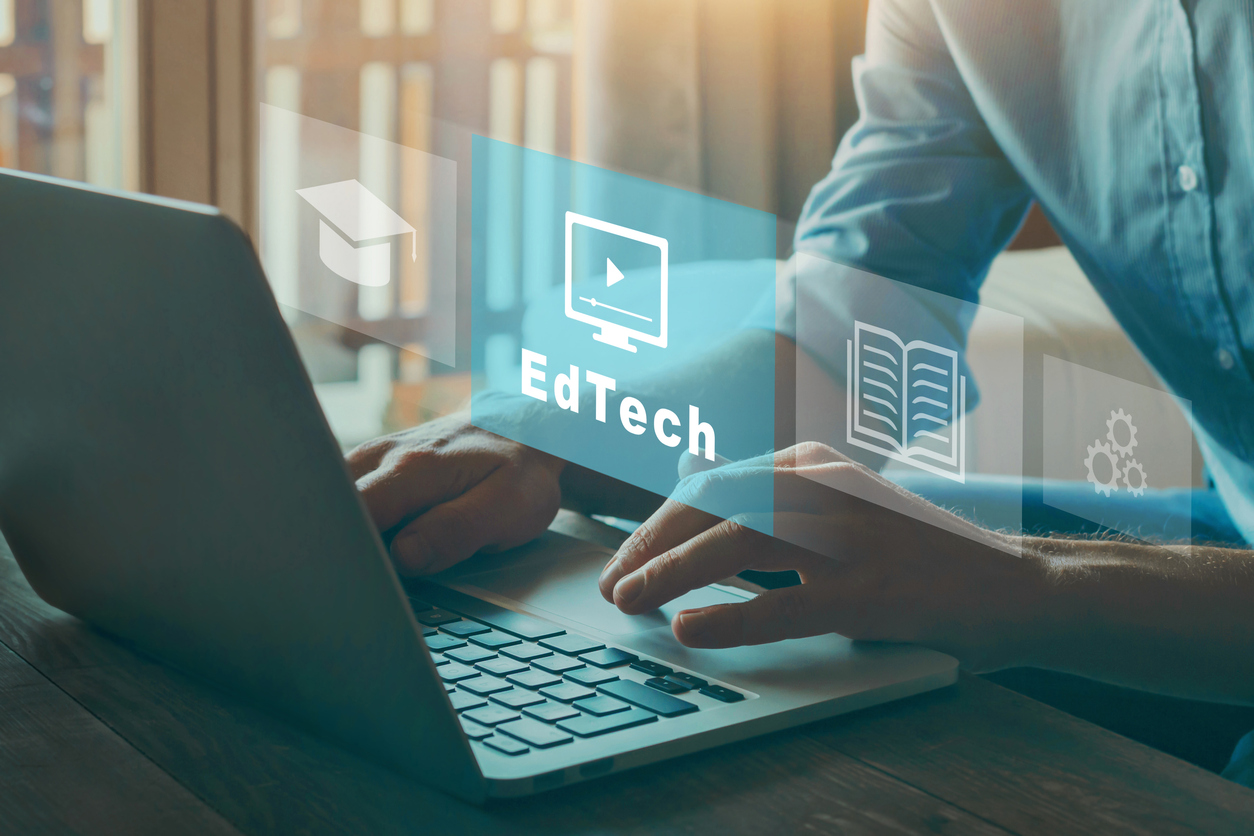
Nigeria’s education sector is undergoing a significant transformation as technology becomes increasingly integrated into teaching and learning processes. The digital school system in Nigeria is no longer a future concept—it is an evolving reality reshaping how schools operate, how students learn, and how institutions manage academic delivery.
From primary schools to tertiary institutions, digital tools are improving access, efficiency, and scalability. However, alongside these opportunities come logistical, infrastructural, and operational challenges that require strategic solutions.
Understanding the Digital School System in Nigeria
A digital school system refers to the use of technology-driven platforms to manage academic activities, including:
- Online learning platforms and virtual classrooms
- Student information systems (SIS)
- Digital attendance and grading tools
- E-learning content and assessments
- Cloud-based administration systems
In Nigeria, this shift has been accelerated by increased internet penetration, mobile device usage, and the need for flexible learning models.
Key Drivers of Digital Education Adoption
Growing Demand for Flexible Learning
Urbanisation and changing lifestyles have increased the need for flexible education systems. Digital platforms allow students to learn remotely, access resources anytime, and engage with content at their own pace.
Government and Private Sector Initiatives
Public-private partnerships and investments in edtech are pushing schools to adopt digital infrastructure. While progress varies across regions, there is a clear trend toward modernising educational delivery.
Expansion of EdTech Solutions
Local and international edtech providers are offering platforms tailored to Nigerian schools, making it easier for institutions to transition to digital systems without building infrastructure from scratch.
Challenges Facing Digital School Systems
Despite its growth, the digital school system in Nigeria faces several operational hurdles:
Infrastructure Limitations
Reliable electricity and internet connectivity remain inconsistent in many areas, particularly in rural regions. This affects the scalability of digital education solutions.
Device Accessibility
Not all students and schools have access to laptops, tablets, or smartphones, limiting participation in digital learning environments.
Supply Chain and Procurement Issues
Schools often struggle to source quality hardware, software licenses, and educational materials at competitive prices. Delays in procurement can disrupt implementation timelines.
Training and Change Management
Teachers and administrators require training to effectively use digital tools. Without proper onboarding, technology adoption may not deliver expected outcomes.
Practical Solutions for Schools and Institutions
Strategic Sourcing of Educational Technology
Schools need reliable suppliers for devices, software, and infrastructure components. Working with experienced sourcing partners ensures access to verified products and cost-effective procurement.
Wigmore Trading supports institutions by sourcing educational equipment, including computers, networking tools, and digital learning resources, ensuring quality and timely delivery.
Efficient Distribution and Logistics
Getting equipment to multiple school locations across Nigeria can be complex. Coordinated logistics planning reduces delays and ensures smooth deployment.
With expertise in logistics and distribution, Wigmore Trading helps streamline delivery processes, especially for bulk procurement projects across different regions.
Compliance and Import Management
Many digital learning tools and devices are imported. Navigating customs regulations, tariffs, and compliance requirements can be challenging for schools.
Wigmore Trading assists with import documentation, regulatory compliance, and customs clearance, helping institutions avoid unnecessary delays and costs.
Scalable Supply Chain Management
As schools expand their digital capabilities, they need scalable supply chains that can support growth. This includes consistent access to devices, maintenance supplies, and software updates.
Through structured supply chain solutions, Wigmore Trading enables educational institutions to maintain continuity and scale their digital operations effectively.
Opportunities for Growth in Nigeria’s Digital Education Sector
The future of the digital school system in Nigeria presents significant opportunities:
- Expansion of blended learning models combining physical and digital classrooms
- Increased investment in broadband and power infrastructure
- Growth of local edtech innovation tailored to Nigerian needs
- Greater collaboration between education providers and logistics partners
Institutions that invest early in robust systems and reliable supply chains will be better positioned to deliver consistent, high-quality education.
Conclusion
The digital transformation of Nigeria’s education sector is creating new possibilities for accessibility, efficiency, and innovation. While challenges remain, particularly in infrastructure and procurement, practical solutions exist to support sustainable growth.
By leveraging strategic sourcing, efficient logistics, and strong supply chain management, schools can successfully implement and scale digital systems.
Wigmore Trading can help. Contact Wigmore Trading today to streamline your sourcing.





Comments are closed.