

Effective Classroom Management in Nigeria: Practical Strategies for Better Learning Outcomes

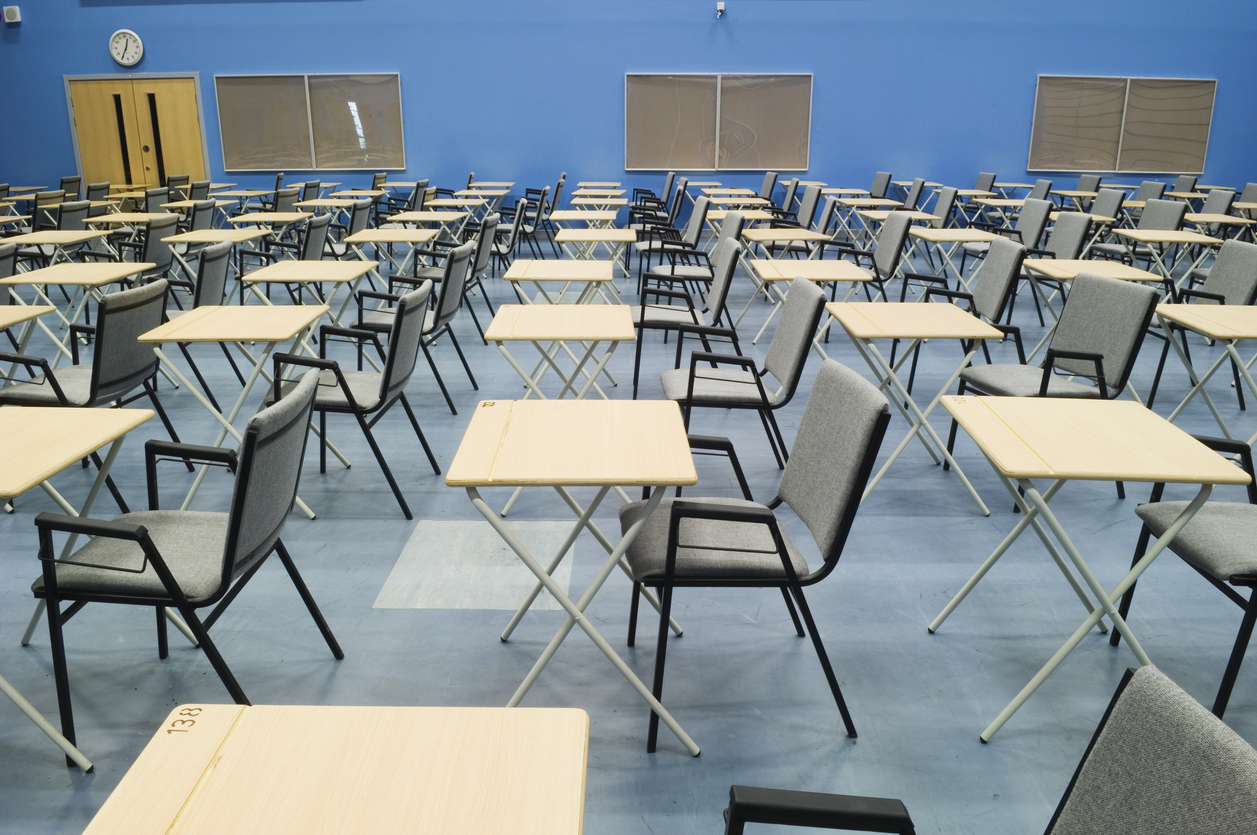
Classroom management in Nigeria remains a critical factor in improving educational outcomes across primary, secondary, and vocational institutions. With increasing class sizes, diverse student needs, and varying resource availability, educators must adopt structured, practical approaches to maintain order and support effective learning.
This article explores proven classroom management strategies tailored to the Nigerian education system, while also highlighting how structured supply chains and institutional support—such as those provided by Wigmore Trading—can help schools operate more efficiently.
Understanding Classroom Management in Nigeria
Classroom management refers to the methods and strategies teachers use to create an organised, focused, and respectful learning environment. In Nigeria, challenges such as overcrowded classrooms, limited teaching materials, and inconsistent infrastructure can make effective management more difficult.
Despite these constraints, strong classroom management is achievable through clear systems, consistency, and access to the right resources.
Key Challenges Facing Nigerian Classrooms
Large Class Sizes
Many public and private schools in Nigeria operate with high student-to-teacher ratios. This can lead to reduced individual attention and increased disruptions.
Limited Teaching Resources
A shortage of textbooks, writing materials, and classroom tools can hinder lesson delivery and student engagement.
Diverse Learning Needs
Students often come from varied educational and socio-economic backgrounds, requiring adaptive teaching methods.
Infrastructure Constraints
Inadequate furniture, poor classroom layouts, and limited storage can affect organisation and discipline.
Practical Strategies for Improving Classroom Management
Establishing Clear Rules and Expectations for Classroom Management in Nigeria
Teachers should define simple, consistent rules at the start of the academic term. These rules should be communicated clearly and reinforced regularly.
Effective practices include:
- Displaying rules visibly in the classroom
- Using consistent consequences for misconduct
- Encouraging student participation in rule-setting
Structured Lesson Planning
Well-organised lessons reduce idle time, which often leads to disruptions. Teachers should plan lessons with clear objectives, activities, and time allocations.
Structured planning helps:
- Maintain student focus
- Improve lesson flow
- Reduce behavioural issues
Positive Reinforcement
Recognising and rewarding good behaviour encourages students to stay engaged. This can include verbal praise, recognition systems, or small incentives.
Positive reinforcement is particularly effective in large classrooms where individual attention is limited.
Classroom Layout and Organisation
Arranging desks and teaching materials strategically can improve visibility, accessibility, and control.
For example:
- Group seating can encourage collaboration
- Clear walkways allow teachers to move easily
- Proper storage reduces clutter and distractions
Access to quality furniture and classroom supplies is essential here. Reliable sourcing partners like Wigmore Trading can support schools in procuring desks, whiteboards, and essential materials efficiently.
Use of Teaching Aids and Technology
Visual aids, charts, and digital tools can significantly improve engagement. Even in low-resource settings, simple tools like flashcards and printed materials can make lessons more interactive.
Schools and institutions can benefit from streamlined procurement of these materials through trusted distribution partners to ensure consistency and quality.
The Role of Supply Chain Efficiency in Classroom Management
While teaching techniques are central, operational efficiency also plays a major role in classroom management.
Schools require:
- Consistent supply of learning materials
- Reliable delivery of classroom equipment
- Compliance with educational standards
Disruptions in supply chains can directly impact classroom effectiveness. For example, delayed delivery of textbooks or furniture can hinder lesson planning and organisation.
Wigmore Trading supports educational institutions by providing reliable sourcing, importation, and distribution services across Nigeria and wider Africa. This ensures that schools receive the materials they need on time, enabling teachers to focus on instruction rather than logistical challenges.
Training and Continuous Development for Teachers
Effective classroom management is a skill that improves with training and experience. Schools should invest in:
- Professional development programmes
- Workshops on behavioural management
- Peer learning and mentorship systems
Access to structured resources and materials—supported by efficient procurement systems—can further enhance teacher performance.
Conclusion
Classroom management in Nigeria requires a combination of strong teaching practices, structured planning, and reliable access to resources. While educators play a central role in maintaining discipline and engagement, institutional support systems are equally important.
By addressing both instructional and operational challenges, schools can create environments that foster better learning outcomes and student development.
Wigmore Trading can help. Contact Wigmore Trading today to streamline your sourcing.





Comments are closed.