
Is Taser Legal in Nigeria? Understanding the Law and Compliance Risks

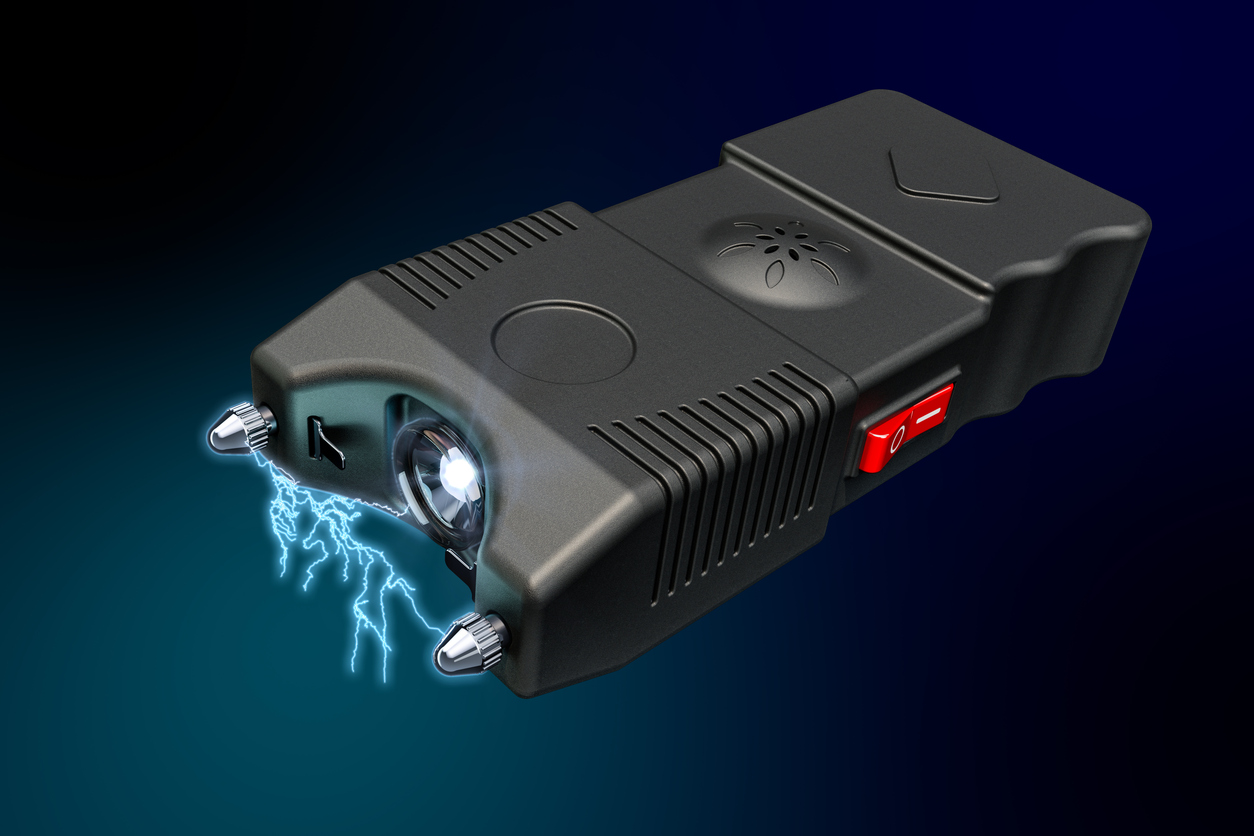
Electroshock devices such as tasers are widely used in some countries for personal protection and law enforcement. However, their legality varies significantly across jurisdictions. For individuals, security firms, and importers operating in Nigeria, understanding the legal status of tasers is essential to avoid regulatory breaches and potential penalties.
This article explains whether tasers are legal in Nigeria, the regulatory framework surrounding controlled weapons, and what businesses should consider when importing or distributing security equipment.
Understanding Nigerian Weapons Regulations
Nigeria maintains strict laws governing weapons possession, importation, and use. These regulations are primarily enforced under the Firearms Act and related security legislation. While tasers are not firearms in the traditional sense, they are generally classified under prohibited or controlled weapons, depending on their design and intended use.
The law prioritises public safety and restricts access to tools that can incapacitate or harm individuals. As a result, items such as stun guns, tasers, and similar electroshock devices are typically treated with the same caution as firearms or offensive weapons.
Is Taser Legal in Nigeria for Civilian Use?
In practice, tasers are not legal for civilian possession in Nigeria without proper authorisation. Private individuals are generally prohibited from owning or using electroshock weapons for personal defence.
Key points include:
- No general civilian access: There is no widely available licensing framework for individuals to legally own tasers.
- Security agency restrictions: Only authorised security agencies or government bodies may be permitted to use such devices under controlled conditions.
- Strict enforcement: Possession without approval may result in confiscation, fines, or legal prosecution.
This means that individuals seeking personal protection should explore legally permitted alternatives, such as registered private security services.
Importing Tasers into Nigeria: Legal and Compliance Challenges
For importers and distributors, the question of is taser legal in Nigeria extends beyond possession to include importation regulations.
Bringing tasers into Nigeria presents several compliance challenges:
1. Import Restrictions and Permits
Electroshock weapons typically fall under restricted or prohibited import categories. Importation requires clearance from relevant authorities, which may include:
- Nigerian Customs Service
- Ministry of Interior
- National security agencies
Without proper permits, shipments may be seized at ports.
2. Documentation and Classification
Accurate product classification is critical. Misdeclaring tasers as general electronics or security tools can lead to:
- Delays in customs clearance
- Financial penalties
- Blacklisting of importers
3. End-Use Verification
Authorities may require proof that the equipment is intended for authorised institutional use, such as law enforcement or licensed security firms.
Business Implications for Security Equipment Distributors
Companies operating in Nigeria’s security and logistics sectors must carefully evaluate the risks associated with restricted items.
Legal Exposure
Handling prohibited equipment without proper licensing exposes businesses to regulatory sanctions and reputational damage.
Supply Chain Disruptions
Non-compliant imports can lead to shipment seizures, increased costs, and operational delays.
Market Limitations
Demand for personal defence tools exists, but businesses must align their offerings with legally approved products.
Legal Alternatives to Tasers in Nigeria
Given the restrictions, businesses and individuals can consider compliant alternatives for security and safety:
- Professional security services
- Surveillance systems (CCTV, access control)
- Alarm and response systems
- Licensed security personnel with approved equipment
These solutions provide effective protection without violating local laws.
How Wigmore Trading Supports Compliance and Secure Sourcing
Navigating import regulations in Nigeria requires local expertise and a clear understanding of compliance requirements. Wigmore Trading supports businesses by providing:
- Regulatory guidance on restricted and controlled goods
- Accurate product classification and documentation
- Customs clearance support to minimise delays
- Sourcing of compliant security and safety equipment
For companies unsure about importing specialised products like tasers, working with an experienced partner reduces risk and ensures alignment with Nigerian laws.
Conclusion
So, is taser legal in Nigeria? In most cases, the answer is no for civilian use, and importation is tightly controlled. Businesses and individuals must approach this category with caution, ensuring full compliance with regulatory requirements.
Rather than pursuing restricted items, focusing on approved security solutions and proper legal channels is the most practical approach.
Wigmore Trading can help. Contact Wigmore Trading today to streamline your sourcing and ensure full compliance with Nigerian import regulations.

Comments are closed.