
How to Apply for Gun License in Nigeria: A Practical Guide for Businesses and Individuals


Obtaining a firearm license in Nigeria is a regulated process governed by national security laws. Whether for personal protection, corporate security, or operational needs in sectors like logistics or high-value goods distribution, understanding the correct procedures is essential. This guide explains how to apply for a gun license in Nigeria, outlining legal requirements, documentation, and compliance considerations.
Understanding Firearm Regulations in Nigeria
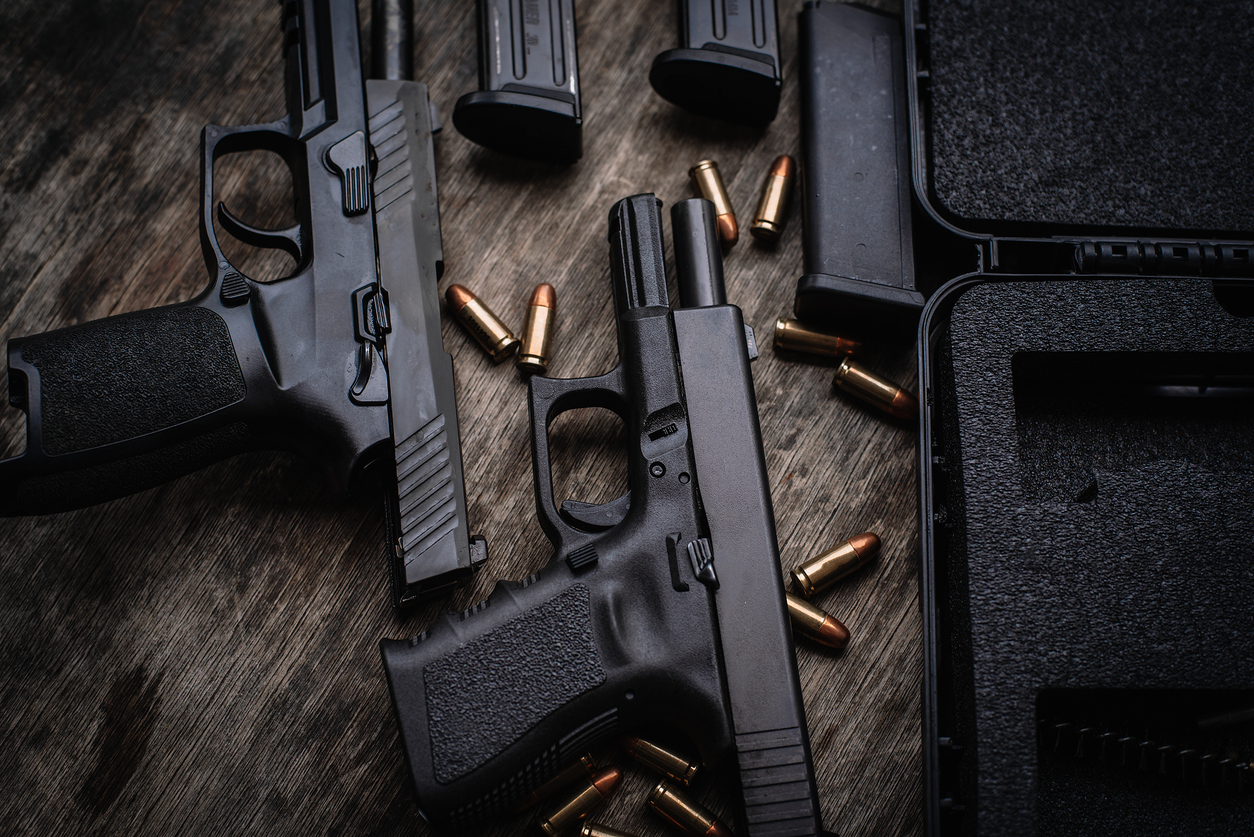
Firearms in Nigeria are regulated under the Firearms Act, which places strict controls on ownership, licensing, and use. Only specific categories of firearms are permitted for civilian use, typically limited to shotguns. Military-grade weapons and automatic firearms are prohibited.
Licensing authority rests with the Nigeria Police Force (NPF), specifically through the Inspector General of Police (IGP) or delegated state commands.
For businesses involved in logistics, warehousing, or FMCG distribution—especially those handling high-value goods—compliance with firearm laws is critical when engaging private security services.
Who Can Apply for a Gun License?
To qualify, applicants must meet certain criteria:
- Be at least 18 years old
- Have no criminal record
- Demonstrate a valid reason (e.g., personal safety or business security)
- Be medically and mentally fit
- Provide credible references
Corporate entities cannot directly own firearms but may facilitate licensing for designated security personnel.
Step-by-Step: How to Apply for Gun License in Nigeria
1. Obtain an Application Form
Applicants must visit the nearest Police Command Headquarters to request a firearm license application form. Some states may also provide preliminary guidance online, but physical submission is still required.
2. Complete Required Documentation
You will need to prepare the following:
- Completed application form
- Two recent passport photographs
- Valid means of identification (National ID, Driver’s License, or International Passport)
- Medical fitness certificate from a government hospital
- Letter of recommendation from a recognized authority (e.g., traditional ruler, senior civil servant)
- Proof of residence
For business-related applications, additional documentation such as company registration (CAC certificate) and justification for security needs may be required.
3. Background and Security Checks
The Nigeria Police will conduct background verification, including:
- Criminal record checks
- Residential verification
- Reference validation
This step ensures that firearms are only issued to responsible individuals.
4. Payment of Licensing Fees
Applicants must pay prescribed fees, which may vary depending on the state and type of firearm. Payments are typically made through designated government channels.
5. Approval and Issuance
If the application is successful, the license will be approved by the Commissioner of Police and escalated to the Inspector General’s office where necessary. Once approved, the applicant receives a firearm license specifying:
- Type of firearm permitted
- Validity period (usually one year, renewable)
- Conditions of use
Compliance and Renewal Requirements
Firearm licenses in Nigeria are not indefinite. Holders must:
- Renew annually
- Maintain proper storage (e.g., secure gun safes)
- Use firearms strictly for approved purposes
- Report loss or theft immediately
Non-compliance can result in license revocation, fines, or prosecution.
Common Challenges and Practical Solutions
Regulatory Delays
Processing times can be unpredictable due to administrative bottlenecks. Businesses operating in time-sensitive sectors like import/export or distribution should plan ahead and avoid last-minute applications.
Solution: Work with experienced compliance partners who understand regulatory pathways and documentation requirements.
Documentation Gaps
Incomplete or inconsistent documentation is a leading cause of rejection.
Solution: Ensure all paperwork is accurate, verified, and aligned with official requirements before submission.
Security Risk Assessment
Many companies struggle to justify firearm needs without a structured risk assessment.
Solution: Conduct a professional security audit to demonstrate legitimate operational risks, particularly for supply chain and logistics activities.
How Wigmore Trading Supports Security and Compliance
While Wigmore Trading does not issue firearm licenses, the company plays a key role in supporting businesses with secure supply chain operations across Nigeria and West Africa. For companies dealing with high-value imports, distribution, or FMCG goods, security planning is essential.
Wigmore Trading can assist with:
- End-to-end logistics coordination, reducing exposure to risk
- Trusted warehousing and distribution networks
- Compliance guidance for regulated operations
- Sourcing reliable third-party security providers where necessary
By strengthening operational efficiency and compliance, businesses can reduce reliance on high-risk security measures and operate within regulatory frameworks.
Conclusion
Understanding how to apply for a gun license in Nigeria is essential for individuals and businesses with legitimate security needs. The process requires careful documentation, background checks, and strict adherence to legal requirements. Given the regulatory complexity, proper planning and compliance are critical to success.
For businesses operating in logistics, trade, and distribution, firearm licensing should be part of a broader risk management strategy.
Wigmore Trading can help. Contact Wigmore Trading today to streamline your sourcing and operational compliance.

Comments are closed.