
Security Services for Businesses in Nigeria: A Practical Guide for Risk Management

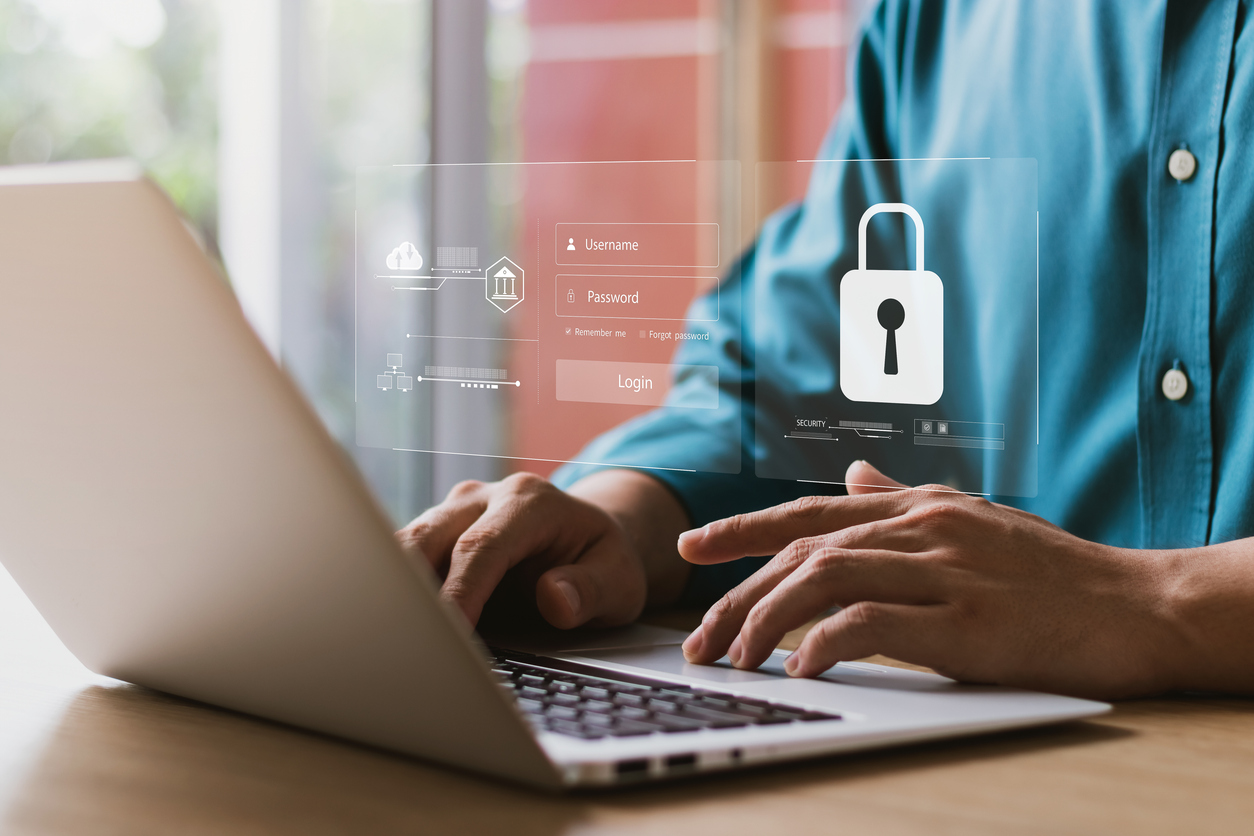
Operating a business in Nigeria presents significant opportunities across sectors such as FMCG, logistics, and trade. However, security risks—ranging from theft and vandalism to cargo diversion and cyber threats—can disrupt operations and impact profitability. Understanding how to implement effective security services for businesses in Nigeria is essential for maintaining continuity and protecting assets.
Understanding Security Risks in Nigerian Business Environments
Nigeria’s commercial landscape is diverse, with varying security challenges depending on location, industry, and scale of operations. Businesses involved in import/export, warehousing, and distribution often face:
- Cargo theft during transit
- Warehouse break-ins and inventory shrinkage
- Fraud within supply chains
- Security risks at ports and border crossings
These risks can lead to financial losses, reputational damage, and delays in fulfilling contracts. For companies engaged in large-scale trade or wholesale distribution, proactive security planning is not optional—it is a core operational requirement.
Types of Security Services for Businesses in Nigeria
Choosing the right mix of security services depends on your business model and exposure to risk. Common solutions include:
Physical Security and Guarding
Professional security personnel remain a primary line of defense. Trained guards can monitor premises, control access points, and respond quickly to incidents. For warehouses and distribution centres, 24/7 guarding is often necessary.
Surveillance and Monitoring Systems
CCTV systems, motion sensors, and remote monitoring technologies enhance visibility across facilities. These tools are particularly useful for logistics hubs and retail outlets, where tracking movement can reduce theft and improve accountability.
Secure Logistics and Cargo Protection
For importers and distributors, protecting goods in transit is critical. Secure transport solutions include:
- GPS tracking for vehicles
- Sealed and monitored containers
- Route risk assessments
This is especially relevant for FMCG businesses moving high-volume goods across regions.
Access Control Systems
Digital access control systems help regulate who enters specific areas of a facility. This reduces internal risks and ensures sensitive zones—such as inventory storage or financial offices—remain protected.
Cybersecurity Measures
As businesses digitise operations, cybersecurity becomes increasingly important. Protecting financial systems, customer data, and supply chain platforms is essential for modern enterprises.
Why Security Services Matter for Supply Chains
Security is closely tied to supply chain efficiency. Disruptions caused by theft, delays, or damage can affect delivery timelines and customer satisfaction. For companies operating in Nigeria’s import/export sector, these disruptions can also lead to compliance issues with international partners.
A secure supply chain ensures:
- Timely delivery of goods
- Reduced financial losses
- Improved trust with partners and customers
- Compliance with regulatory requirements
Businesses that integrate security into their logistics planning are better positioned to scale sustainably.
Integrating Security into Business Operations
Effective security is not just about hiring guards or installing cameras—it requires a structured approach. Businesses should:
- Conduct risk assessments across operations
- Identify high-risk areas such as warehouses and transport routes
- Implement layered security solutions
- Train staff on security protocols
- Regularly review and update security measures
For companies involved in large-scale trade, integrating security into procurement and logistics planning is essential.
How Wigmore Trading Supports Secure Business Operations
Wigmore Trading works with businesses across Nigeria and international markets to streamline sourcing, logistics, and distribution. Security plays a key role in these services.
By leveraging established logistics networks and trusted partners, Wigmore Trading helps businesses reduce risks associated with:
- Import and export handling
- Warehousing and inventory management
- Transportation and last-mile delivery
Additionally, Wigmore Trading supports compliance with regulatory requirements, ensuring that goods move efficiently and securely across borders.
For businesses looking to scale operations or enter new markets, having a reliable partner that understands both logistics and security challenges can significantly reduce operational risks.
Key Considerations When Choosing Security Services
When selecting security services for your business, consider the following:
- Experience and reputation of the provider
- Understanding of your industry (e.g., FMCG, logistics, trade)
- Integration with existing operations
- Scalability as your business grows
- Compliance with local regulations
A tailored approach is always more effective than a one-size-fits-all solution.
Conclusion
Security services for businesses in Nigeria are a critical component of operational success. From protecting physical assets to ensuring safe transportation of goods, effective security strategies help businesses minimise risks and maintain continuity.
By combining professional security services with strong logistics planning, businesses can operate more efficiently and confidently in Nigeria’s dynamic market.
Wigmore Trading can help. Contact Wigmore Trading today to streamline your sourcing.





Comments are closed.