

CCTV Installation Cost in Nigeria: A Practical Guide for Businesses

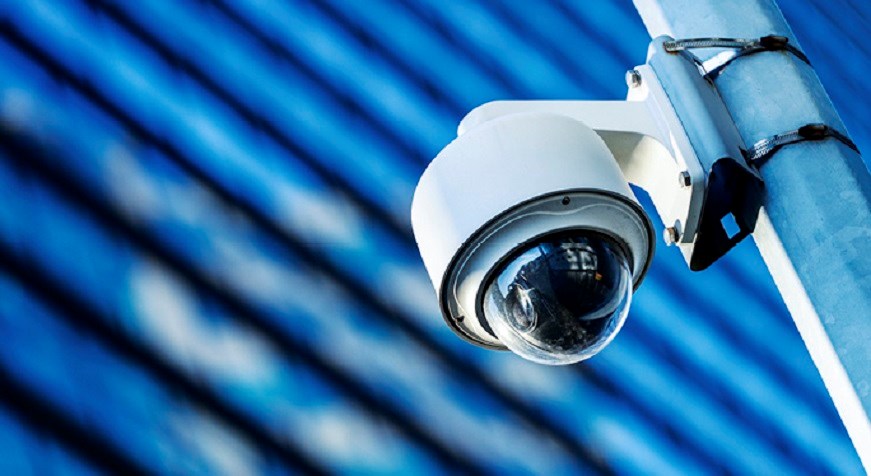
Security is a growing priority for businesses across Nigeria, particularly in sectors such as wholesale distribution, logistics, and FMCG. Whether managing a warehouse, retail outlet, or office space, installing a reliable CCTV system is an important investment. However, understanding the CCTV installation cost in Nigeria requires careful consideration of several factors, from equipment selection to installation complexity.
This guide outlines the key cost drivers and how businesses can approach CCTV installation strategically.
What Determines CCTV Installation Cost in Nigeria?
The total cost of installing CCTV systems in Nigeria varies widely depending on the size of the project and the quality of components. Businesses should expect costs to be influenced by the following:
1. Type of CCTV Cameras
There are different categories of cameras, each with varying price points:
- Analog cameras – Lower upfront cost but limited resolution
- IP cameras – Higher cost but better image quality and remote access
- Wireless cameras – Flexible installation but may require strong network infrastructure
- PTZ (Pan-Tilt-Zoom) cameras – More expensive, suitable for large facilities
For small businesses, analog or entry-level IP cameras may be sufficient, while warehouses and logistics hubs often require advanced IP systems.
2. Number of Cameras Required
The more coverage needed, the higher the cost. A small retail shop may require 2–4 cameras, while a distribution warehouse could need 16 or more.
Businesses should conduct a site assessment to determine optimal camera placement, avoiding unnecessary expenses while ensuring full coverage.
3. Storage and Recording Systems
CCTV systems require storage solutions such as:
- DVR (Digital Video Recorder) for analog systems
- NVR (Network Video Recorder) for IP systems
Costs increase with storage capacity, especially for businesses needing longer video retention periods for compliance or security purposes.
4. Installation Complexity
Installation costs depend on:
- Building size and layout
- Wiring requirements
- Mounting locations (indoor vs outdoor)
- Power supply availability
For example, installing cameras in a multi-level warehouse or large logistics facility will cost more than a simple office setup.
5. Maintenance and Support
Ongoing costs should not be overlooked. Maintenance includes:
- System updates
- Camera repairs or replacements
- Storage upgrades
Working with a reliable partner ensures long-term system efficiency and reduces downtime.
Average CCTV Installation Cost in Nigeria
While prices vary, businesses can use the following estimates as a general guide:
- Basic setup (2–4 cameras): ₦150,000 – ₦400,000
- Mid-range system (4–8 cameras): ₦400,000 – ₦1,000,000
- Advanced system (8+ cameras): ₦1,000,000 and above
These figures typically include cameras, recording devices, cables, and basic installation. However, advanced features such as remote monitoring, cloud storage, and AI-based analytics can increase costs.
CCTV Installation for Commercial and Industrial Use
For sectors like import/export, wholesale distribution, and logistics, CCTV systems play a critical role in:
- Monitoring inventory and preventing theft
- Improving warehouse operations
- Ensuring compliance with safety standards
- Tracking movement across supply chain facilities
Businesses operating in high-volume environments require scalable systems that can grow with their operations.
Common Challenges Businesses Face
Despite the benefits, companies often encounter challenges when installing CCTV systems:
- Poor equipment quality leading to system failures
- Inadequate coverage due to poor planning
- Unreliable installers lacking technical expertise
- Integration issues with existing security or IT systems
These challenges can increase long-term costs if not addressed early.
How to Optimise CCTV Investment
To manage CCTV installation cost in Nigeria effectively, businesses should:
- Conduct a professional site assessment
- Choose scalable systems rather than the cheapest option
- Invest in quality components to reduce maintenance costs
- Work with experienced suppliers and logistics partners
For companies importing CCTV equipment or managing multiple locations, supply chain efficiency becomes an important factor.
Supporting CCTV Sourcing and Distribution
For businesses that need to procure CCTV equipment in bulk or integrate security systems across multiple sites, supply chain coordination is essential. This includes:
- Sourcing reliable equipment from international manufacturers
- Managing import regulations and compliance
- Ensuring timely delivery to different business locations
Wigmore Trading supports businesses by handling sourcing, importation, and distribution logistics across Nigeria and West Africa. This allows companies to focus on installation and operations while ensuring consistent product quality and supply.
Conclusion
Understanding the CCTV installation cost in Nigeria goes beyond initial pricing. Businesses must consider equipment quality, installation requirements, and long-term maintenance to make a cost-effective investment.
With the right planning and supply chain support, CCTV systems can significantly enhance operational security and efficiency across industries.
Wigmore Trading can help. Contact Wigmore Trading today to streamline your sourcing.




Comments are closed.