
Legal Self Defence Weapons in Nigeria: What Businesses and Individuals Should Know


Understanding the regulations around legal self defence weapons in Nigeria is essential for individuals, security-conscious businesses, and organisations operating within the country. With growing concerns around personal safety, asset protection, and supply chain security, many people seek lawful ways to protect themselves. However, Nigeria maintains strict laws governing weapons possession, making compliance critical.
This article explains what qualifies as legal self-defence tools in Nigeria, the regulatory framework, and how businesses can manage security responsibly within the law.
Understanding Legal Self Defence Weapons in Nigeria
Nigeria’s legal framework around weapons is primarily governed by the Firearms Act and related regulations. These laws strictly control the possession, sale, and use of weapons, especially firearms.
When discussing legal self defence weapons in Nigeria, it is important to distinguish between:
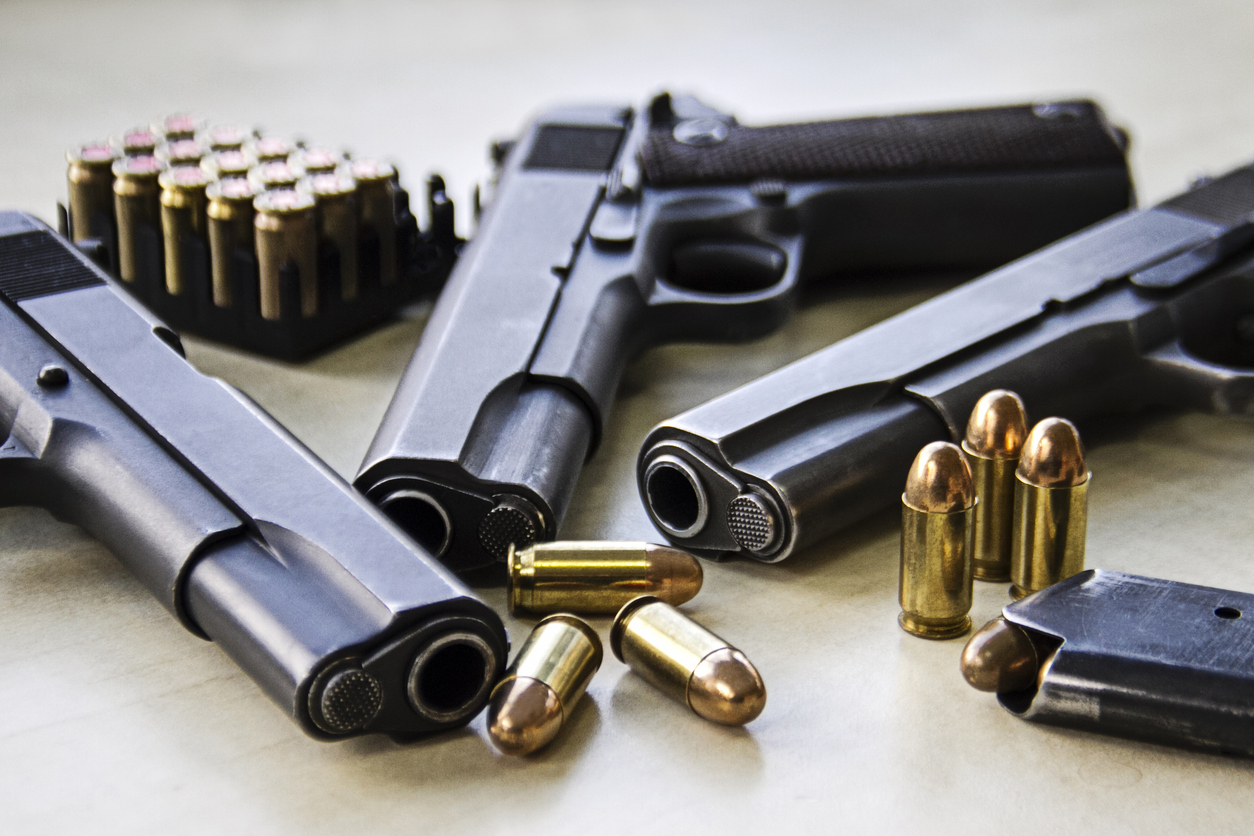
- Prohibited weapons (e.g., firearms without a licence, automatic weapons)
- Controlled weapons (e.g., licensed shotguns under strict approval)
- Permissible self-defence tools (non-lethal items allowed under certain conditions)
For most individuals and businesses, access is limited to non-lethal options that do not require complex licensing.
Common Legal Self Defence Tools
While Nigeria has restrictive weapon laws, certain self-defence tools are generally considered permissible when used responsibly:
1. Personal Safety Devices
Items such as whistles, alarms, and tracking devices are widely accepted and pose no legal risk. These are commonly used by individuals and logistics personnel.
2. Pepper Spray (With Caution)
Pepper spray exists in a legal grey area. While not explicitly banned, misuse or possession in suspicious circumstances can lead to legal complications. It is advisable to use such tools strictly for personal safety and not for offensive purposes.
3. Batons and Tactical Flashlights
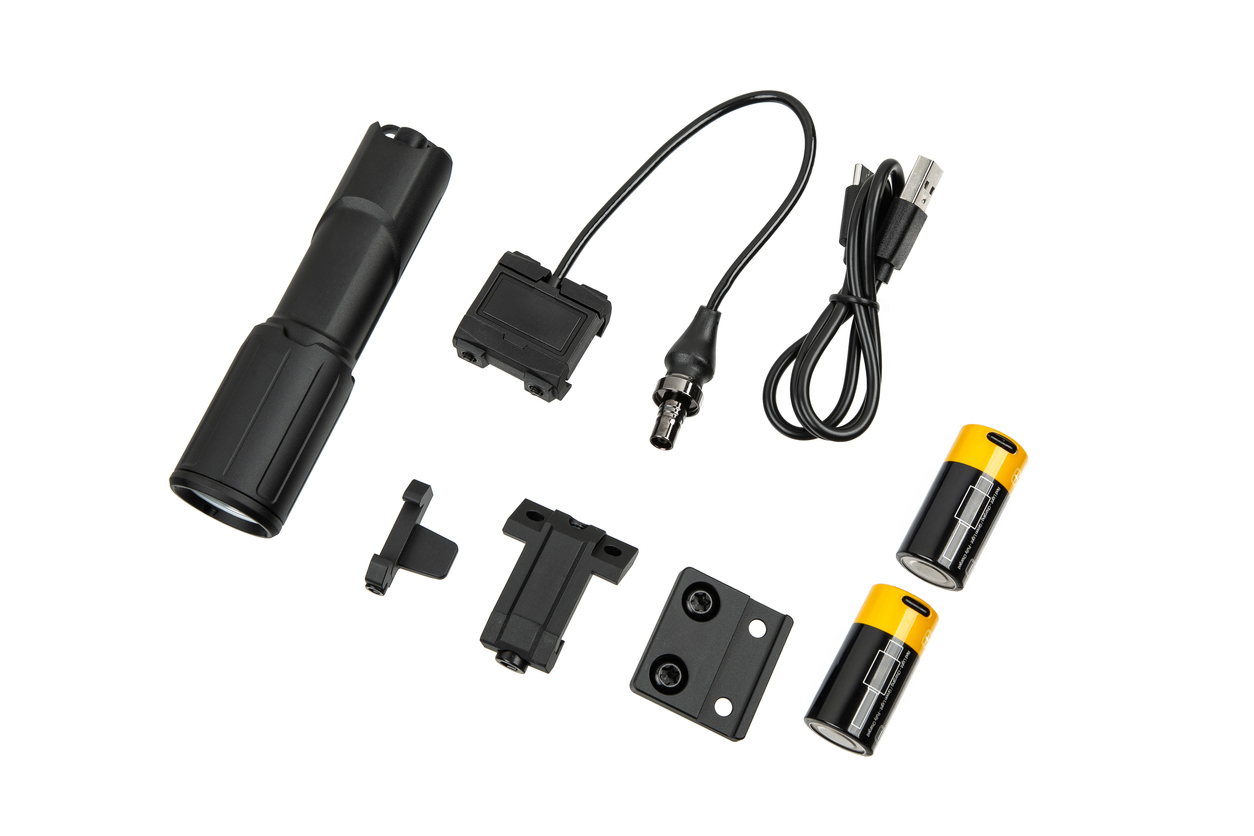
Basic batons and heavy-duty flashlights may be used for self-defence, particularly by private security personnel. However, they should not resemble prohibited weapons or be used aggressively.
4. Security Equipment for Businesses
Businesses often rely on:
- CCTV systems
- Access control systems
- Alarm systems
These are not weapons but are essential for preventive security, especially in warehouses, retail outlets, and logistics hubs.
Weapons That Are Restricted or Illegal
Understanding what is not allowed is equally important when evaluating legal self defence weapons in Nigeria.
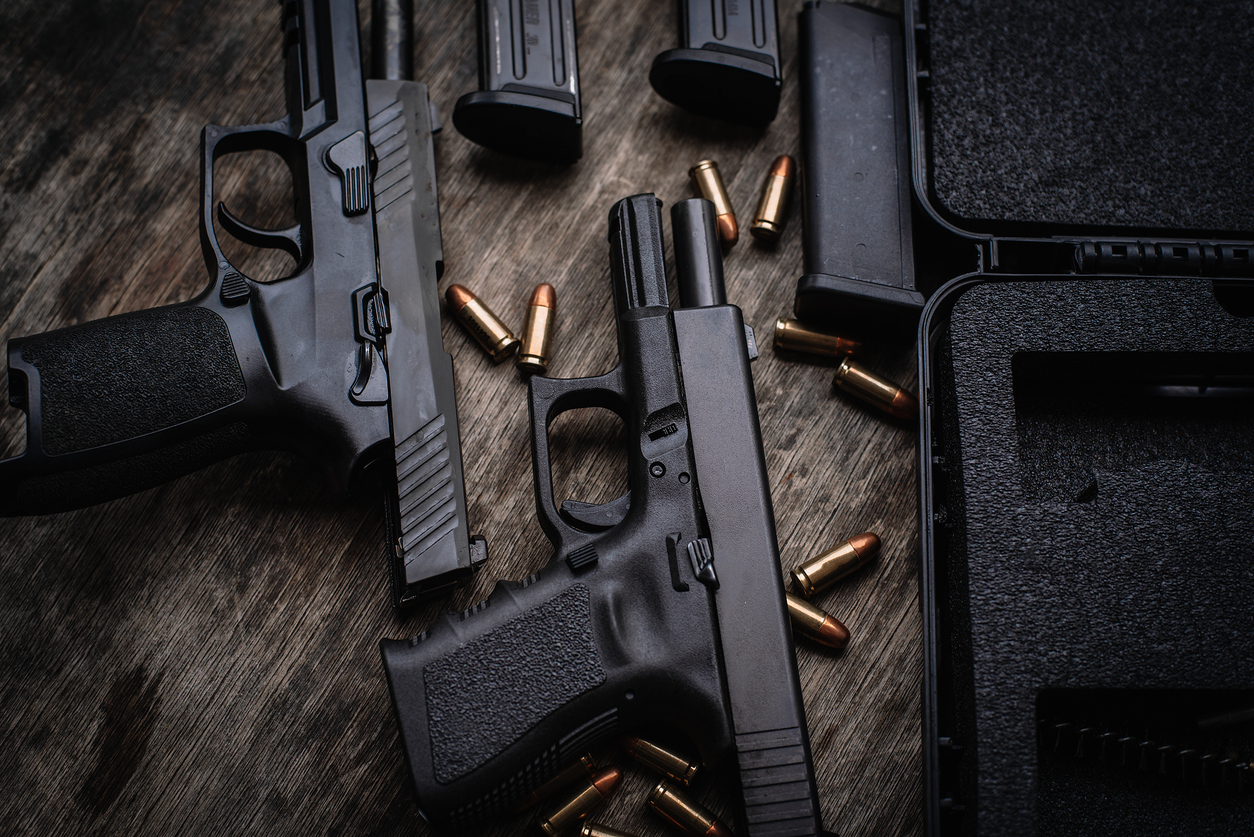
- Firearms without a government-issued licence
- Automatic or military-grade weapons
- Tasers and stun guns (generally restricted)
- Concealed blades intended for harm
Possession of these items without proper authorisation can result in severe legal penalties, including imprisonment.
Licensing and Compliance Requirements
For businesses requiring higher levels of protection—such as logistics companies, import/export warehouses, or high-value goods distributors—armed security may be necessary. However, this must be handled through:
- Licensed private security companies
- Government-approved firearm permits
- Proper documentation and storage compliance
Attempting to independently procure restricted weapons without following due process exposes businesses to legal and operational risks.
Security Challenges in Trade and Logistics
Companies operating in Nigeria’s import/export and FMCG sectors often face:
- Cargo theft during transit
- Warehouse break-ins
- Counterfeit goods infiltration
- Supply chain disruptions
Relying solely on physical self-defence tools is not sufficient. A broader, structured security strategy is required.
Practical Security Solutions for Businesses
Instead of focusing only on legal self defence weapons in Nigeria, businesses should adopt integrated security measures:
Risk Assessment
Identify vulnerable points in your supply chain—from ports to final delivery locations.
Professional Security Partnerships
Work with licensed security providers who understand regulatory requirements and can legally deploy trained personnel.
Technology Integration
Use:
- GPS tracking for shipments
- Surveillance systems
- Inventory monitoring tools
Compliance and Documentation
Ensure all security measures align with Nigerian laws to avoid fines or disruptions.
How Wigmore Trading Supports Secure Operations
Wigmore Trading works with businesses across Nigeria and West Africa to strengthen supply chain security through:
- Reliable sourcing and verified supplier networks
- Secure warehousing and distribution solutions
- Logistics coordination with risk mitigation strategies
- Compliance guidance for import/export operations
By focusing on structured logistics and trusted partnerships, businesses can reduce reliance on physical self-defence tools while maintaining operational security.
Conclusion
Navigating the landscape of legal self defence weapons in Nigeria requires a clear understanding of the law and a practical approach to safety. While some non-lethal tools are permissible, strict regulations limit access to more advanced weapons.
For businesses, the most effective strategy lies not in weapon ownership but in comprehensive security planning, compliance, and professional logistics management.
Wigmore Trading can help. Contact Wigmore Trading today to streamline your sourcing and strengthen your supply chain security.

Comments are closed.