

Understanding Self Protection Tools in Nigeria: A Practical Guide for Businesses and Individuals

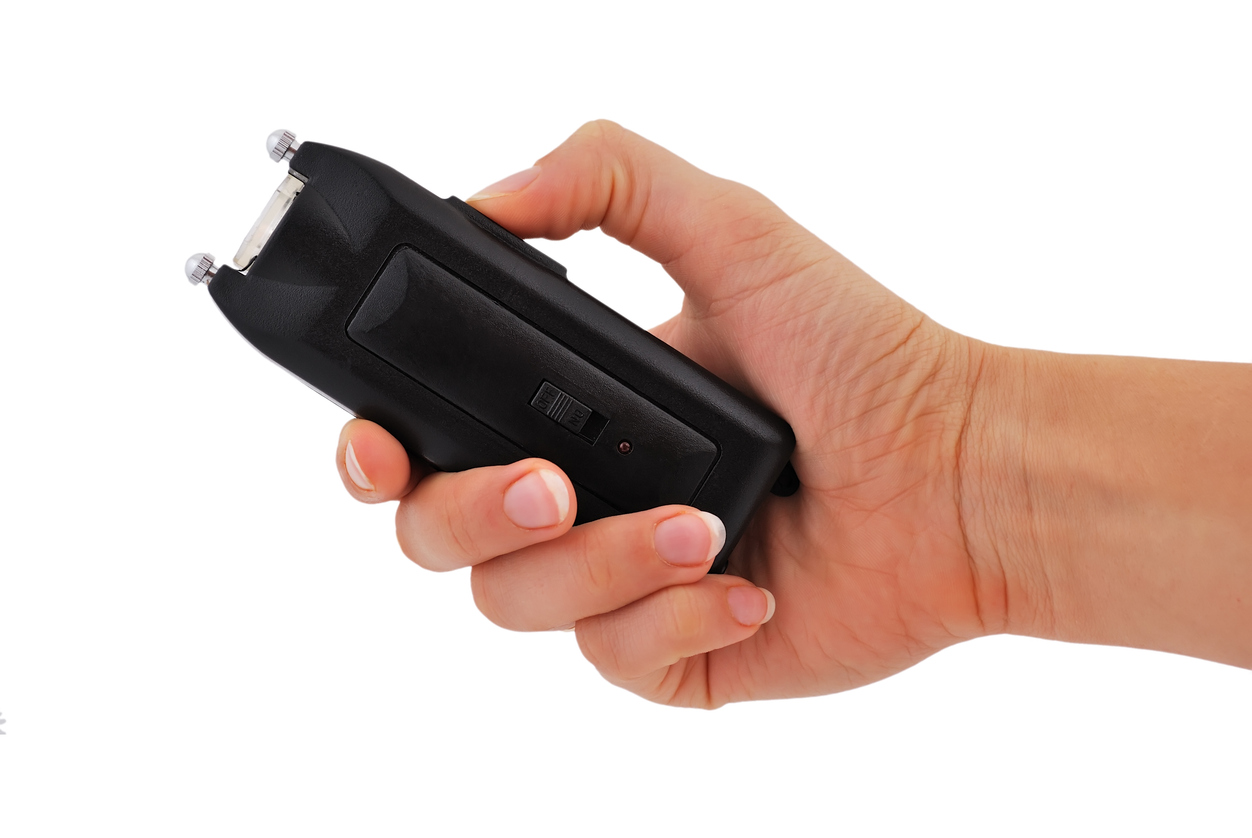
Personal safety and asset protection are increasingly important considerations in Nigeria’s evolving business and urban environments. From logistics operators to warehouse managers and field staff, the need for reliable self protection tools in Nigeria is growing across industries. However, navigating the legal, practical, and supply chain aspects of these tools requires careful consideration.
This guide explores commonly used self-protection tools, regulatory considerations, and how businesses can source and distribute them responsibly.
What Are Self Protection Tools in Nigeria?
Self-protection tools refer to non-lethal devices designed to help individuals deter threats and enhance personal safety. In Nigeria, these tools are typically used by:
- Security personnel
- Logistics and transport operators
- Field workers and sales teams
- Warehouse and facility managers
Common examples include personal alarms, safety whistles, reinforced flashlights, and certain legally permitted defensive sprays.
Unlike firearms, which are heavily regulated, most self-protection tools fall into a category that requires compliance with local laws but is generally more accessible for commercial and personal use.
Legal and Regulatory Considerations
Understanding the legal framework is essential when sourcing or distributing self-protection tools in Nigeria. Regulations may vary depending on the type of device, its intended use, and the sector in which it is deployed.
Key considerations include:
- Import compliance: Certain items may require clearance from regulatory bodies or adherence to customs classification rules.
- Usage restrictions: Some tools may be limited to professional security personnel.
- Distribution controls: Wholesale distributors must ensure products meet safety and labeling standards.
Businesses importing these products must ensure full compliance with Nigerian Customs Service guidelines and any applicable safety regulations. Working with experienced trade partners can help avoid delays or penalties.
Common Self Protection Tools Used in Nigeria
Personal Alarms and Alert Devices
These compact devices emit a loud sound to attract attention during emergencies. They are widely used by individuals and corporate staff, especially in urban areas.
Defensive Sprays
Certain sprays are designed to temporarily disorient an attacker, allowing the user to escape. However, their legality and usage conditions must be carefully verified before importation or sale.
Tactical Flashlights
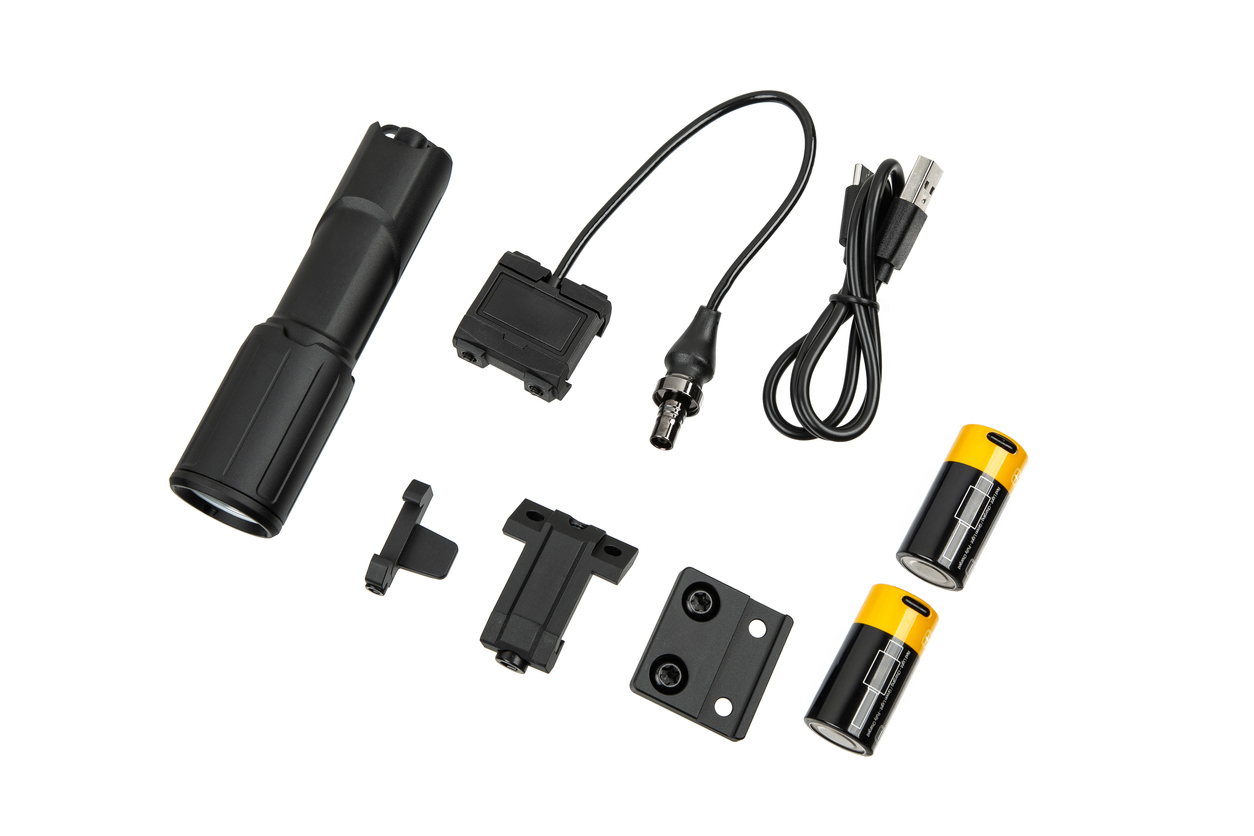
High-lumen flashlights can serve dual purposes—illumination and temporary disorientation. They are commonly used in logistics operations and by security teams.
Safety Whistles and Wearables
Simple but effective, these tools are low-cost and easy to distribute across large teams, particularly in FMCG and field operations.
Challenges in Sourcing Self Protection Tools in Nigeria
Despite growing demand, businesses often face several challenges when sourcing these tools:
Regulatory Uncertainty
Importers may encounter unclear classifications or evolving regulations, leading to shipment delays or compliance risks.
Quality Assurance
Low-quality or counterfeit products can undermine safety and damage brand reputation. Ensuring product standards is critical.
Supply Chain Inefficiencies
Delays in shipping, customs clearance, and inland logistics can disrupt availability, especially for businesses operating at scale.
Distribution Complexity
Reaching multiple locations across Nigeria requires reliable warehousing and last-mile distribution capabilities.
How Wigmore Trading Supports Sourcing and Distribution
For businesses looking to procure self protection tools in Nigeria, working with an experienced partner can streamline the process significantly.
Wigmore Trading supports companies through:
- Global sourcing: Identifying reliable manufacturers that meet quality and compliance standards
- Import and customs handling: Managing documentation, classification, and clearance processes
- Quality control: Ensuring products meet required specifications before distribution
- Logistics and warehousing: Providing efficient storage and nationwide delivery solutions
This integrated approach helps businesses reduce risk while maintaining consistent supply.
Best Practices for Businesses
To successfully integrate self-protection tools into operations, companies should adopt a structured approach:
Conduct Risk Assessments
Identify where and how these tools will be used—whether for staff safety, facility protection, or transport operations.
Verify Legal Compliance
Ensure all products meet Nigerian regulatory requirements before importation or distribution.
Prioritise Quality
Work with trusted suppliers and conduct product testing where necessary.
Train End Users
Provide clear guidance on proper and lawful use to avoid misuse or liability issues.
Plan Distribution Strategically
Align inventory with operational needs across different regions to avoid shortages or delays.
The Role of Self Protection in Business Continuity
In sectors such as logistics, FMCG distribution, and import/export, staff safety directly impacts operational efficiency. Reliable access to appropriate self-protection tools can:
- Reduce risk during transit and field operations
- Improve employee confidence and productivity
- Support compliance with workplace safety standards
By integrating these tools into broader risk management strategies, businesses can strengthen resilience and continuity.
Conclusion
The demand for self protection tools in Nigeria is steadily increasing as businesses and individuals prioritise safety in dynamic environments. However, sourcing and distributing these tools requires careful attention to legal compliance, product quality, and logistics planning.
With the right approach and experienced partners, companies can overcome these challenges and ensure consistent access to reliable safety solutions.
Wigmore Trading can help. Contact Wigmore Trading today to streamline your sourcing.




Comments are closed.