

Personal Defence Equipment in Nigeria: A Practical Guide for Businesses and Distributors

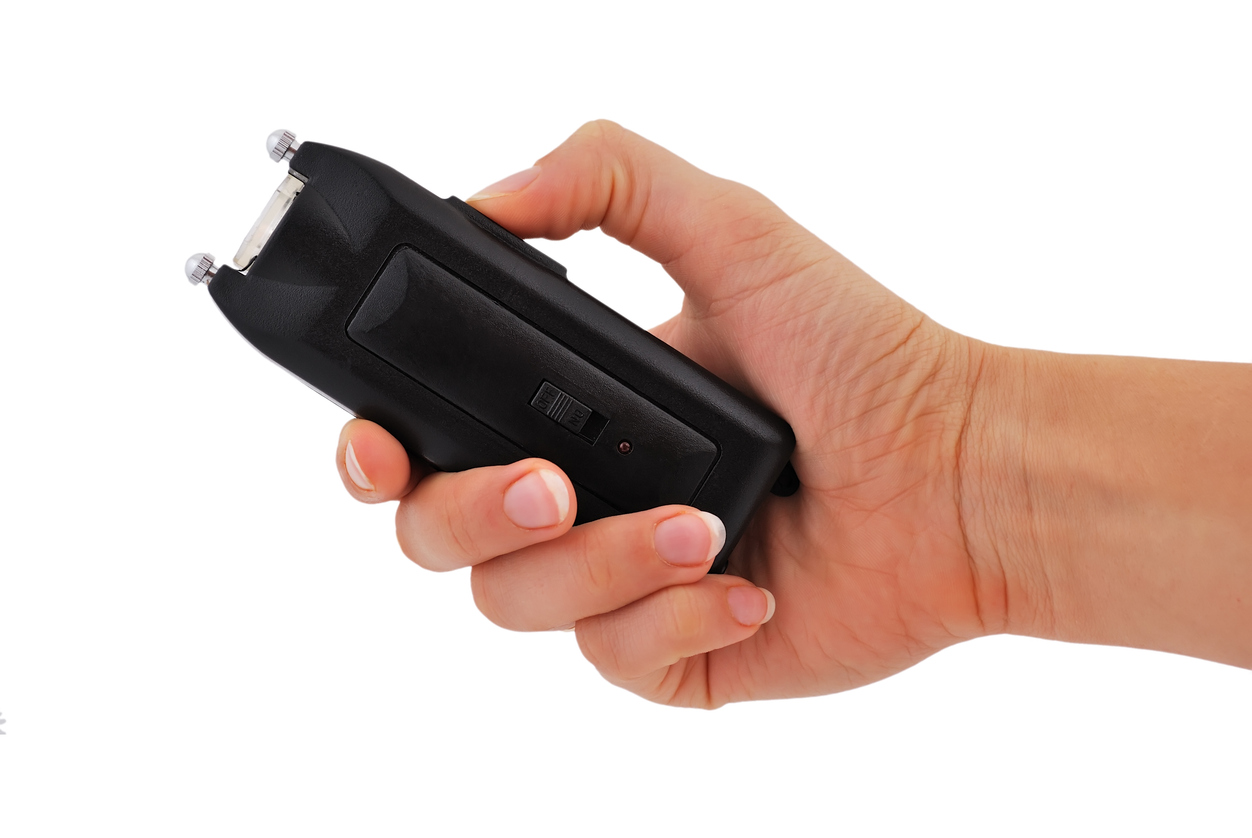
Personal defence equipment in Nigeria is becoming increasingly relevant for individuals, organisations, and security-conscious businesses. From urban retail environments to logistics operations, the need for non-lethal protective tools is growing as companies prioritise staff safety, asset protection, and risk management.
This guide explains the types of personal defence equipment available, regulatory considerations, sourcing challenges, and how businesses can build reliable supply chains in Nigeria.
Understanding Personal Defence Equipment in Nigeria
Personal defence equipment refers to non-lethal tools designed to enhance personal safety and deter threats. In Nigeria, commonly used items include:
- Pepper spray
- Personal alarms
- Tactical flashlights
- Safety batons (where permitted)
- Protective gear such as gloves and vests
These products are widely used by private security firms, corporate organisations, retail businesses, and logistics providers. Unlike firearms, most of these tools are easier to regulate and distribute, making them suitable for commercial use when compliant with local laws.
Market Demand and Commercial Opportunities
Demand for personal defence equipment in Nigeria is driven by several factors:
- Growth in private security services
- Increased awareness of workplace safety
- Expansion of e-commerce and logistics operations
- Rising need for employee protection in high-risk environments
Wholesale distributors and importers have a clear opportunity to supply vetted, compliant products to businesses operating in sectors such as FMCG distribution, warehousing, and transportation.
However, entering this market requires careful planning, particularly around sourcing, quality assurance, and regulatory compliance.
Regulatory Considerations for Importers
Importing personal defence equipment into Nigeria requires adherence to local regulations. While non-lethal items are generally permitted, certain products may fall under restricted categories depending on their design and intended use.
Key considerations include:
- Ensuring products meet Nigerian safety standards
- Verifying whether import permits are required
- Understanding customs classification and duties
- Avoiding restricted or prohibited items
Failure to comply can result in shipment delays, fines, or confiscation. For this reason, businesses often rely on experienced trade partners to navigate import regulations efficiently.
Sourcing Quality Personal Defence Equipment
One of the main challenges in this sector is sourcing reliable, high-quality products. Low-quality equipment can fail during critical situations, creating liability risks for distributors and end users.
When sourcing personal defence equipment in Nigeria, businesses should focus on:
- Supplier verification and factory audits
- Product certification and testing standards
- Consistent manufacturing quality
- Transparent pricing and supply terms
Working with established sourcing partners such as Wigmore Trading can help businesses identify reputable international suppliers and ensure product quality aligns with market expectations.
Logistics and Distribution Challenges
Efficient logistics is essential when importing and distributing personal defence equipment. Delays, poor handling, or incorrect documentation can disrupt supply chains and affect profitability.
Common challenges include:
- Port congestion and customs clearance delays
- Inconsistent shipping timelines
- Storage requirements for sensitive equipment
- Distribution across Nigeria’s diverse regions
A structured logistics strategy is necessary to ensure timely delivery and product integrity. Businesses benefit from integrated solutions that combine freight forwarding, warehousing, and last-mile distribution.
Wigmore Trading supports clients by managing these logistics processes, helping ensure that goods move smoothly from international suppliers to Nigerian markets.
Compliance and Risk Management
Beyond importation, businesses must also consider how personal defence equipment is distributed and used. Responsible distribution involves:
- Selling only to authorised or appropriate buyers
- Providing usage guidelines where necessary
- Ensuring products are marketed responsibly
This reduces reputational and legal risks while building trust with customers and regulatory authorities.
Companies that prioritise compliance are better positioned to scale their operations sustainably in Nigeria’s evolving regulatory environment.
Building a Sustainable Supply Chain
For long-term success, distributors of personal defence equipment in Nigeria should focus on building resilient supply chains. This includes:
- Diversifying supplier networks
- Maintaining inventory buffers
- Leveraging local warehousing
- Partnering with experienced trade facilitators
Wigmore Trading can play a strategic role in this process by supporting sourcing, importation, compliance, and distribution. With local expertise and international reach, businesses can reduce operational risks and improve efficiency.
Conclusion
Personal defence equipment in Nigeria represents a growing and practical market segment for importers, wholesalers, and distributors. As demand increases across sectors such as logistics, retail, and private security, businesses must focus on compliance, quality sourcing, and efficient distribution.
By addressing regulatory requirements and supply chain challenges proactively, companies can build a reliable and scalable operation in this sector.
Wigmore Trading can help. Contact Wigmore Trading today to streamline your sourcing.


Comments are closed.