
Understanding Legal Personal Protection Devices in Nigeria: What Businesses and Individuals Should Know

Personal safety is an increasing concern across urban and commercial environments in Nigeria. For individuals, employees, and businesses involved in logistics, distribution, and field operations, understanding legal personal protection devices in Nigeria is essential for maintaining safety while remaining compliant with local laws.
This article outlines what devices are legally permitted, the regulatory framework, and how businesses can implement practical safety strategies.
What Are Legal Personal Protection Devices in Nigeria?
Personal protection devices are non-lethal tools designed to help individuals deter threats or escape dangerous situations. In Nigeria, the legality of these devices depends on their classification under national security and firearms regulations.
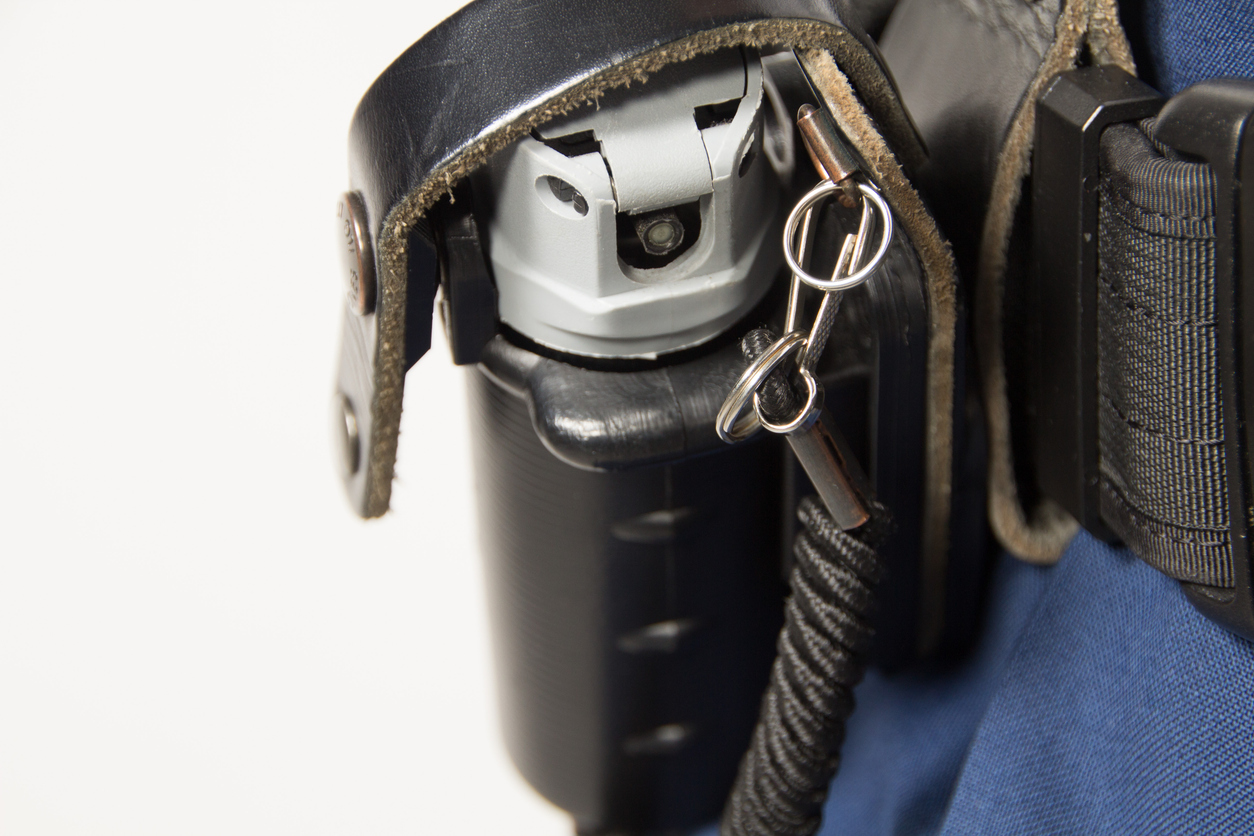
Generally, permitted devices are those that are non-lethal, non-restricted, and do not require firearms licensing. These include:
- Personal alarms
- Pepper spray (subject to regulation and usage context)
- Stun devices (restricted and often require approval)
- Safety whistles and basic deterrent tools
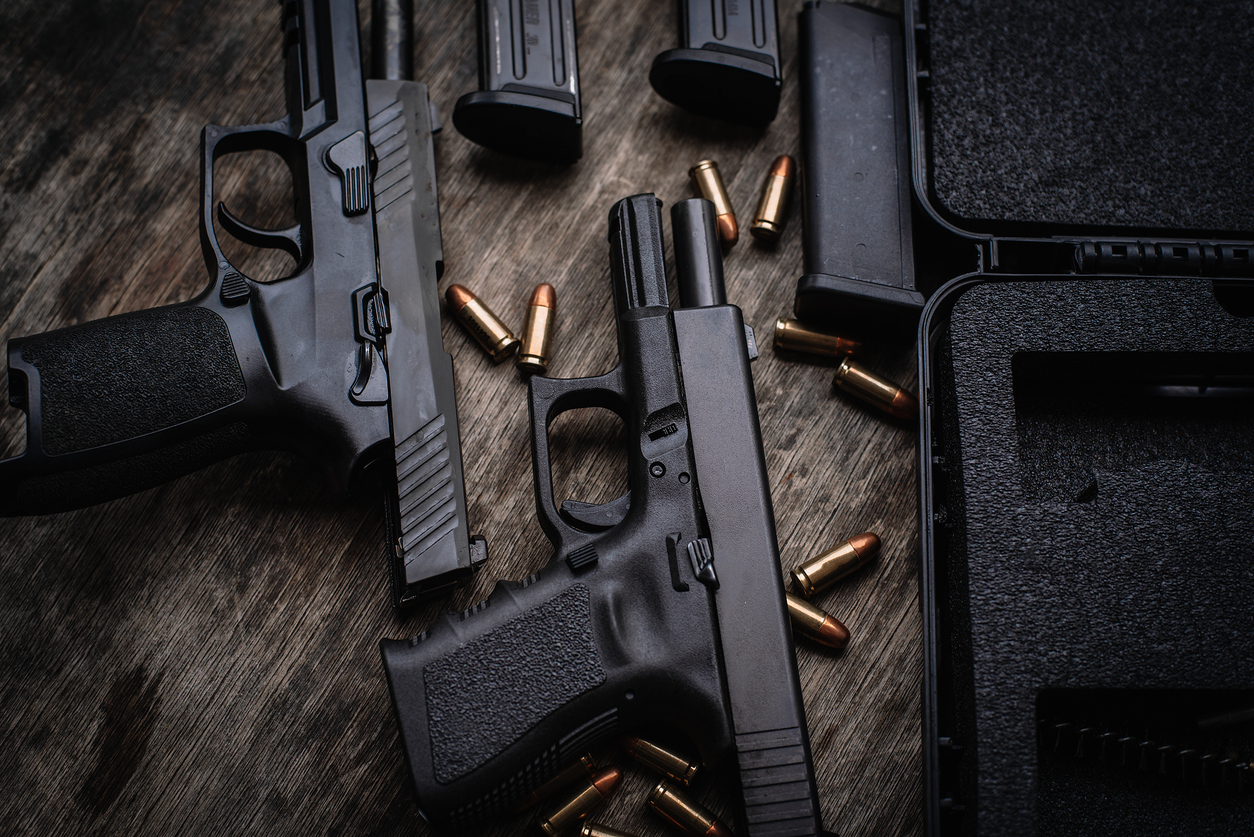
Devices such as firearms, tasers, and certain high-voltage stun guns are strictly regulated and require licenses from the Nigerian Police Force.
Regulatory Framework Governing Personal Protection
The primary legislation governing weapons and defensive tools in Nigeria is the Firearms Act. While the Act focuses mainly on firearms, it also influences the classification of other defensive tools.
Key considerations include:
- Licensing requirements: Firearms and certain high-risk devices require permits.
- Usage restrictions: Even legal devices must not be used to cause harm unlawfully.
- Import controls: Importing personal protection devices may require clearance from customs and regulatory authorities.
For businesses involved in importation or distribution, compliance with Nigerian Customs Service regulations and proper documentation is critical.
Challenges in Accessing Legal Personal Protection Devices
Limited Clarity on Regulations
One of the main challenges is the lack of widespread public awareness regarding what is permitted. This creates uncertainty for businesses sourcing safety equipment for staff.
Import and Compliance Barriers
Importing devices such as pepper spray or security tools can involve:
- Customs classification issues
- Delays due to unclear documentation
- Risk of seizure if items are misclassified
Quality and Authenticity Concerns
The market for personal safety devices in Nigeria includes both genuine and substandard products. Poor-quality devices may fail during emergencies, creating additional risk.
Practical Solutions for Businesses and Individuals
1. Focus on Approved Non-Lethal Devices
When selecting personal safety tools, prioritise:
- Certified personal alarms
- Legally compliant pepper sprays
- Basic deterrent equipment
Avoid products that may fall into restricted categories without proper licensing.
2. Ensure Proper Import Documentation
Businesses importing safety equipment should:
- Confirm product classification before shipment
- Work with experienced import/export partners
- Ensure all regulatory approvals are secured
This reduces the risk of delays and compliance issues.
3. Train Staff on Safe Usage
Providing devices alone is not sufficient. Employees, especially in logistics and field operations, should be trained on:
- When and how to use personal protection devices
- Legal boundaries of self-defence
- De-escalation techniques
4. Integrate Safety into Supply Chain Operations
For companies operating in FMCG distribution, logistics, or wholesale trade, safety planning should be part of operational strategy. This includes:
- Route risk assessments
- Communication protocols for field staff
- Emergency response procedures
How Wigmore Trading Supports Safe and Compliant Sourcing
For businesses navigating the complexities of sourcing legal personal protection devices in Nigeria, working with an experienced partner can significantly reduce risk.
Wigmore Trading supports companies through:
- Sourcing compliant safety equipment from verified manufacturers
- Managing import logistics to ensure smooth customs clearance
- Advising on regulatory requirements to avoid costly errors
- Integrating safety solutions into broader supply chain operations
This is particularly valuable for organisations managing large distribution networks or operating in high-risk environments.
The Role of Compliance in Sustainable Operations
Ensuring compliance with Nigerian laws is not only about avoiding penalties. It also:
- Protects brand reputation
- Ensures employee safety
- Builds trust with regulatory authorities
- Supports long-term operational stability
Businesses that proactively address safety and compliance are better positioned to scale operations across Nigeria and West Africa.
Conclusion
Understanding and sourcing legal personal protection devices in Nigeria requires careful attention to regulatory requirements, product quality, and operational needs. While non-lethal safety tools are available, businesses must ensure they are compliant, properly imported, and used responsibly.
By combining the right equipment with training and structured safety protocols, companies can create safer environments for employees and operations.
Wigmore Trading can help. Contact Wigmore Trading today to streamline your sourcing.

Comments are closed.