

Self Defence Kits in Nigeria: What Businesses and Consumers Should Know


Personal safety has become an increasing priority across Nigeria, particularly in urban centres and high-traffic commercial environments. As a result, demand for self defence kits in Nigeria is growing among individuals, retailers, and corporate buyers. These kits, which typically include items such as personal alarms, pepper spray (where permitted), flashlights, and safety tools, are now part of a broader safety and security market.
For importers, distributors, and wholesalers, understanding this segment requires careful attention to regulation, sourcing quality, and logistics. This article explores the market landscape, key considerations, and how businesses can approach distribution effectively.
Understanding the Demand for Self Defence Kits in Nigeria
The demand for self defence kits is driven by a combination of factors:
- Increased urbanisation and mobility
- Growing awareness of personal safety
- Rising demand from corporate organisations for employee protection
- Expansion of e-commerce platforms offering safety products
Consumers range from individuals seeking everyday protection to organisations such as logistics companies, ride-hailing services, schools, and security firms.
For businesses, this creates a viable opportunity within Nigeria’s broader FMCG and consumer goods distribution network, particularly when products are positioned as safety essentials rather than tactical equipment.
Key Components of Self Defence Kits
Self defence kits vary in composition depending on target users and regulatory constraints. Common components include:
- Personal safety alarms
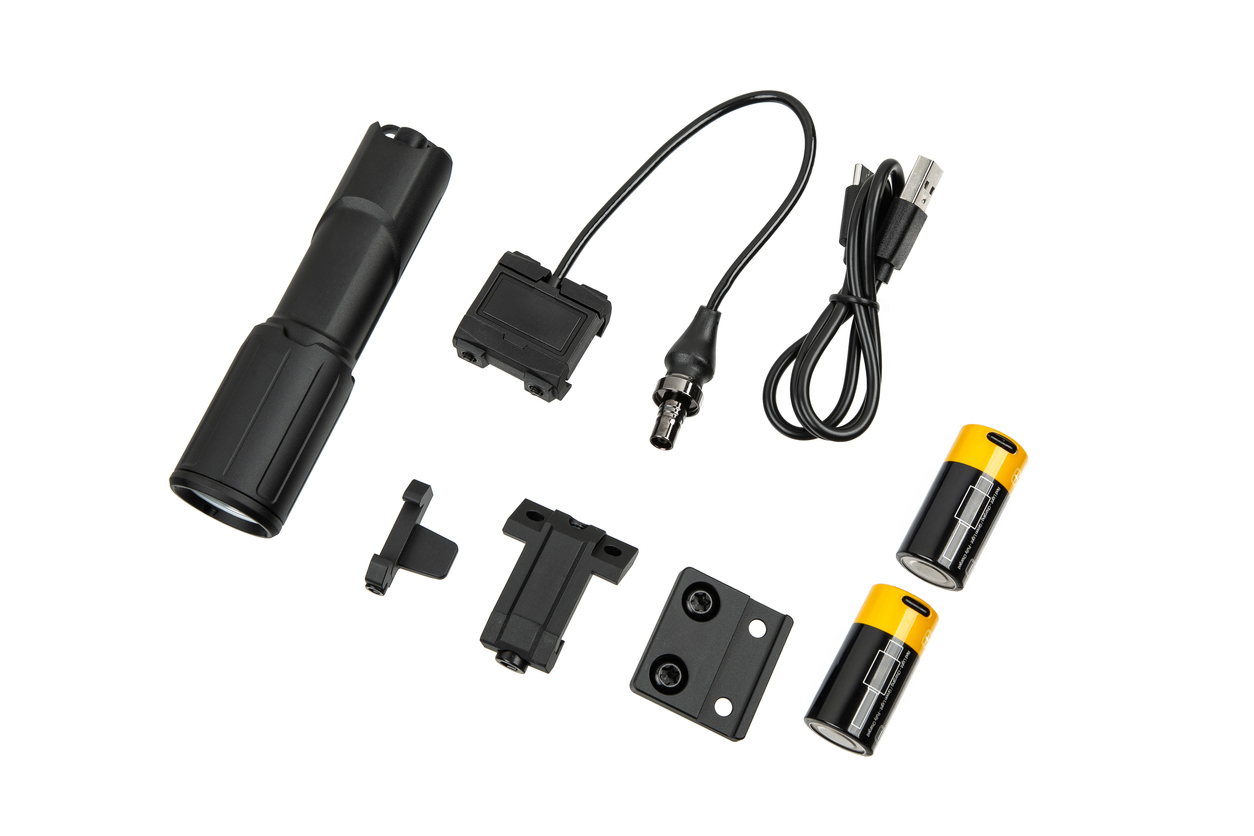
- High-lumen flashlights
- Whistles or sound devices
- Portable first-aid supplies
- Multi-purpose tools (non-restricted items)
It is important to note that certain items, such as pepper spray or stun devices, may be subject to legal restrictions or require compliance checks before importation or sale.
Regulatory Considerations for Importers
One of the most critical aspects of dealing with self defence kits in Nigeria is compliance with local regulations. Importers and distributors must consider:
- Nigerian Customs Service import classifications
- Product safety standards
- Restrictions on controlled or weapon-like items
- Labelling and documentation requirements
Failure to comply can lead to shipment delays, confiscation, or penalties. Businesses entering this space should work with experienced logistics and compliance partners to ensure all documentation and approvals are in place before shipment.
Wigmore Trading supports businesses in navigating import regulations, ensuring that goods are correctly classified and cleared efficiently through Nigerian ports.
Sourcing Quality Self Defence Kits
Quality is essential in safety-related products. Poor-quality items can fail when needed, leading to reputational damage for distributors and potential liability risks.
When sourcing self defence kits, businesses should prioritise:
- Verified manufacturers with quality certifications
- Durable materials and reliable functionality
- Clear product specifications and testing standards
- Consistent supply capacity
Working with a sourcing partner like Wigmore Trading can help businesses identify reputable suppliers, conduct due diligence, and negotiate favourable procurement terms.
Distribution Opportunities Across Nigeria
The distribution of self defence kits can follow multiple channels:
- Retail outlets (pharmacies, supermarkets, safety stores)
- Online marketplaces and e-commerce platforms
- Corporate procurement (for staff safety kits)
- Institutional buyers (schools, NGOs, transport companies)
Nigeria’s growing logistics infrastructure supports nationwide distribution, but challenges remain in last-mile delivery, warehousing, and inventory management.
Wigmore Trading provides integrated distribution solutions, helping businesses move goods efficiently from port to warehouse to end customer across Nigeria and West Africa.
Logistics and Supply Chain Challenges
Like many imported goods, self defence kits face logistical considerations such as:
- Port congestion and clearance delays
- Freight cost fluctuations
- Storage and inventory management
- Demand forecasting and stock rotation
Effective supply chain planning is essential to maintain consistent availability without overstocking.
By leveraging established logistics networks and warehousing solutions, Wigmore Trading helps businesses optimise their supply chains and reduce operational risks.
Positioning and Market Strategy
Businesses entering the self defence kit market should focus on responsible positioning. Rather than emphasising fear-based messaging, successful brands highlight:
- Personal safety awareness
- Practical everyday use
- Compliance with local laws
- Reliability and ease of use
This approach aligns with consumer expectations and regulatory standards while building long-term trust.
Conclusion
The market for self defence kits in Nigeria presents a growing opportunity for importers, wholesalers, and distributors. However, success in this sector depends on careful attention to compliance, product quality, and efficient logistics.
Businesses that take a structured approach—combining reliable sourcing, regulatory awareness, and strong distribution networks—are better positioned to capture demand while maintaining credibility.
Wigmore Trading can help. Contact Wigmore Trading today to streamline your sourcing.




Comments are closed.