
Is Stun Gun Legal in Nigeria? A Clear Guide for Importers and Distributors

Understanding the legal status of self-defense equipment is essential for businesses involved in importation, distribution, and retail. If you are considering sourcing or selling personal security devices, a common question arises: is stun gun legal in Nigeria? This article provides a clear, practical overview of the regulatory landscape, risks, and compliance considerations for businesses operating in Nigeria.
Understanding Nigerian Laws on Self-Defense Weapons
Nigeria maintains strict regulations on weapons to ensure public safety. Under the Firearms Act and related security laws, the possession, importation, and sale of weapons are tightly controlled. While firearms are explicitly regulated, non-lethal weapons such as stun guns fall into a more complex category.
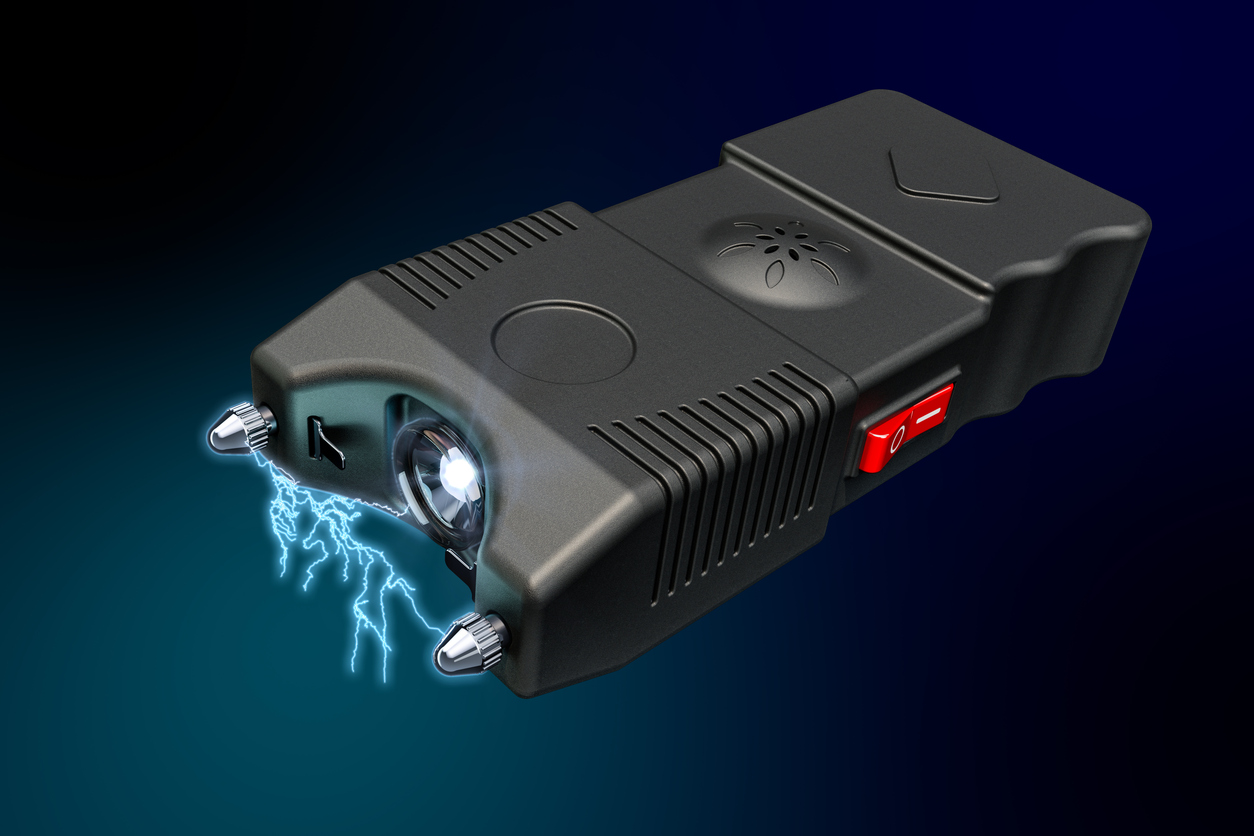
Stun guns, also known as electroshock weapons, are designed to incapacitate temporarily without causing permanent harm. However, their classification under Nigerian law is not always explicitly stated, which creates uncertainty for importers and distributors.
Is Stun Gun Legal in Nigeria for Commercial Use?
The short answer is: stun guns are generally restricted and not freely legal for civilian use in Nigeria.
Although not always directly named in legislation, stun guns are typically treated as prohibited or controlled items because they are considered offensive weapons. This means:
- Importation usually requires special permits from relevant authorities
- Unauthorized possession may lead to legal consequences
- Commercial distribution without approval is risky and may result in seizure or penalties
For businesses, this creates a significant compliance challenge. Even if demand exists, regulatory approval is the key factor determining whether such products can be legally traded.
Importation Challenges for Stun Guns in Nigeria
Importing restricted items into Nigeria involves multiple layers of compliance. Businesses considering stun guns must navigate:
Regulatory Approvals
You may need clearance from:
- Nigerian Customs Service (NCS)
- Office of the National Security Adviser (ONSA)
- Other security or regulatory bodies
Without proper documentation, shipments can be delayed, confiscated, or destroyed.
Customs Classification Issues
Misclassification of stun guns can lead to:
- Incorrect duty payments
- Regulatory breaches
- Increased scrutiny on future shipments
Logistics and Shipping Restrictions
Many international freight providers classify stun guns as dangerous or restricted goods. This can:
- Limit available shipping routes
- Increase freight costs
- Require specialized handling documentation
Safer Alternatives for Nigerian Markets
Given the regulatory uncertainty, many distributors choose to focus on compliant personal safety products such as:
- Personal alarms
- Security lighting systems
- Surveillance equipment (CCTV, smart cameras)
- Access control devices
These products typically face fewer legal barriers and align better with Nigeria’s regulatory environment.
How Wigmore Trading Supports Compliance and Sourcing
Navigating import regulations in Nigeria requires local expertise and a strong understanding of compliance processes. This is where working with an experienced partner becomes valuable.
Wigmore Trading supports businesses by:
- Advising on product eligibility and regulatory risks
- Assisting with proper documentation and customs processes
- Sourcing compliant alternatives from verified international suppliers
- Managing logistics and distribution across Nigeria and West Africa
For businesses unsure about whether to proceed with restricted items like stun guns, Wigmore Trading can help assess feasibility and recommend safer, legally viable product lines.
Key Considerations Before Entering the Market
Before importing or distributing stun guns in Nigeria, businesses should:
- Conduct a legal review with regulatory authorities
- Confirm whether permits can realistically be obtained
- Evaluate financial risks linked to seizure or delays
- Consider alternative products with clearer legal status
Taking these steps helps reduce operational risk and ensures long-term sustainability in the Nigerian market.
Conclusion
So, is stun gun legal in Nigeria? In practice, stun guns are not freely legal and are generally treated as restricted items requiring special authorization. For importers and distributors, this creates compliance challenges that must be carefully managed.
Businesses are advised to proceed cautiously, prioritize regulatory clarity, and explore compliant alternatives where possible. Working with experienced partners can make a significant difference in navigating these complexities.
Wigmore Trading can help. Contact Wigmore Trading today to streamline your sourcing.

Comments are closed.