

Anti Burglary Devices in Nigeria: A Practical Guide for Businesses and Property Owners

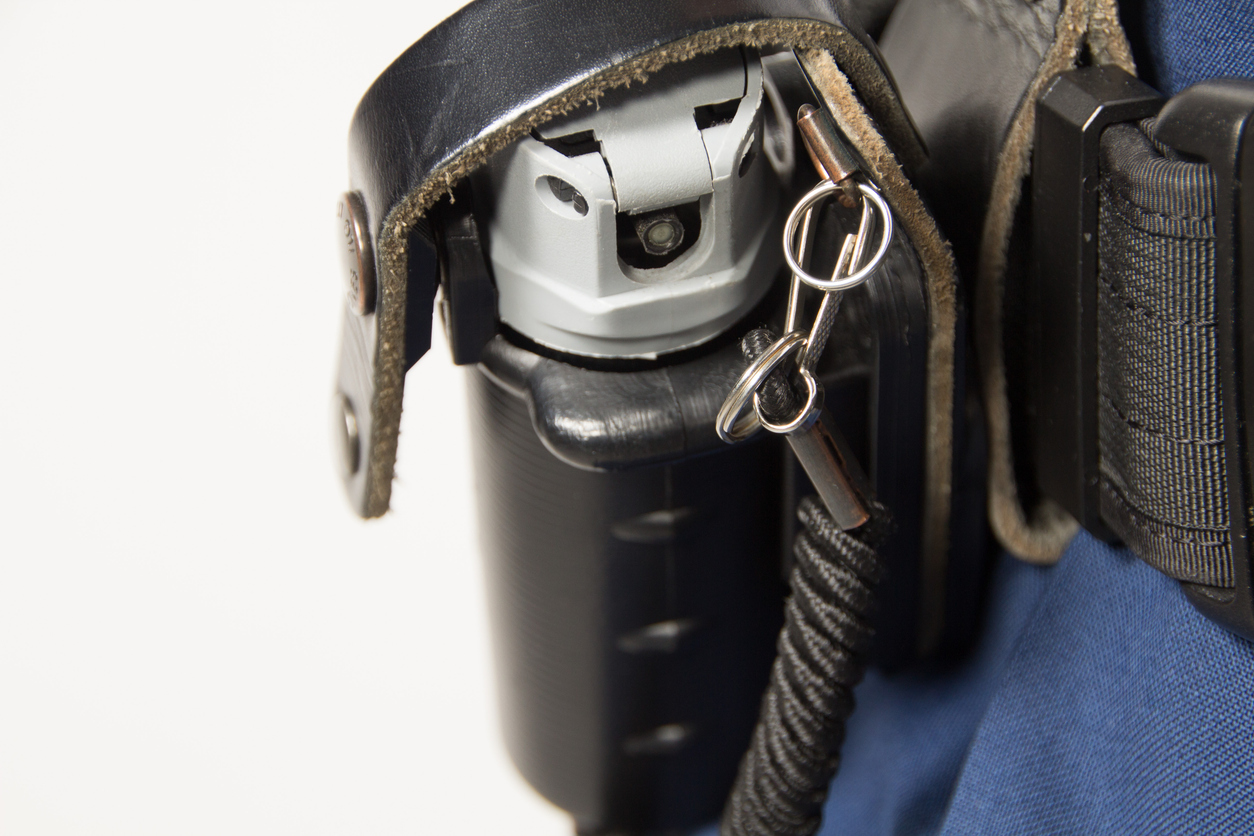
Security remains a critical concern for businesses and households across Nigeria. From warehouses and retail outlets to residential buildings and offices, the risk of burglary can disrupt operations, damage assets, and increase operational costs. As a result, investing in anti burglary devices in Nigeria has become an essential part of modern risk management and asset protection.
This guide explores the most effective anti-burglary solutions, their applications, and how businesses can integrate them into a broader security and logistics strategy.
Why Anti Burglary Devices in Nigeria Are Essential
Nigeria’s growing urban centres and expanding commercial activity have increased the demand for reliable security systems. Businesses involved in import/export, wholesale distribution, and FMCG operations often manage high-value inventory, making them particularly vulnerable.
Key reasons to invest in anti-burglary systems include:
- Protection of goods and inventory
- Prevention of financial losses
- Improved operational continuity
- Enhanced employee and customer safety
- Compliance with insurance and regulatory requirements
For companies operating warehouses or distribution hubs, security is not optional—it is part of maintaining supply chain integrity.
Common Types of Anti Burglary Devices in Nigeria
1. Burglar Alarm Systems
Burglar alarms are among the most widely used security devices. These systems detect unauthorised entry through sensors placed on doors, windows, or movement zones.
Key features:
- Motion detection
- Door/window sensors
- Audible alarms or silent alerts
- Integration with mobile apps
Modern alarm systems can be connected to central monitoring services, enabling rapid response in case of intrusion.
2. CCTV Surveillance Systems
Closed-circuit television (CCTV) systems provide continuous monitoring and recording of premises. They are particularly useful for warehouses, retail stores, and logistics centres.
Benefits:
- Real-time monitoring
- Evidence collection
- Deterrence of criminal activity
- Remote access via mobile or desktop
For businesses managing distribution networks, CCTV helps track both security and operational efficiency.
3. Access Control Systems
Access control systems restrict entry to authorised personnel only. These systems are commonly used in offices, storage facilities, and industrial sites.
Examples include:
- Keycard or RFID systems
- Biometric scanners (fingerprint or facial recognition)
- PIN-based entry systems
They reduce internal theft risks and improve accountability within organisations.
4. Smart Locks and Reinforced Doors
Physical security remains a foundational layer. Smart locks and reinforced doors provide enhanced protection against forced entry.
Features:
- Remote locking/unlocking
- Tamper alerts
- Integration with smart security systems
These are particularly useful for residential properties and small business premises.
5. Perimeter Security Systems
For larger properties such as warehouses and logistics hubs, perimeter security is essential.
Solutions include:
- Electric fencing
- Motion sensors and infrared beams
- Security lighting
These systems create multiple layers of protection, making it more difficult for intruders to access the premises.
Challenges When Implementing Security Systems
While anti burglary devices in Nigeria are widely available, businesses often face practical challenges:
- Power supply issues: Inconsistent electricity can affect system reliability
- Maintenance gaps: Poor upkeep reduces effectiveness over time
- Integration difficulties: Combining multiple systems can be complex
- Cost considerations: High upfront investment for advanced systems
Addressing these challenges requires a structured approach to procurement, installation, and ongoing management.
Integrating Security into Supply Chain and Logistics
For companies involved in import/export and distribution, security systems should be integrated into the broader supply chain strategy.
This includes:
- Securing warehouses and transit points
- Monitoring inventory movement
- Protecting high-value shipments
- Ensuring compliance with international trade standards
Wigmore Trading supports businesses by helping source reliable security equipment, coordinating logistics for imported systems, and ensuring compliance with local regulations. This ensures that security solutions are not only effective but also aligned with operational needs.
Choosing the Right Anti Burglary Devices in Nigeria
Selecting the right solution depends on several factors:
- Type of property: Residential, commercial, or industrial
- Level of risk: Value of assets and location
- Scalability: Ability to expand as operations grow
- Integration needs: Compatibility with existing systems
Businesses should prioritise solutions that combine physical security with digital monitoring for maximum effectiveness.
Best Practices for Effective Security
To maximise the value of anti-burglary systems:
- Conduct regular security audits
- Train staff on system usage
- Maintain and update equipment
- Combine multiple layers of security
- Work with reliable sourcing and logistics partners
A well-implemented system is not just about devices—it is about consistent management and integration into daily operations.
Conclusion
Investing in anti burglary devices in Nigeria is a critical step for protecting assets, ensuring business continuity, and maintaining customer trust. From alarm systems and CCTV to access control and perimeter security, the right combination of tools can significantly reduce risk.
For businesses involved in trade, logistics, and distribution, security should be treated as a core operational priority rather than an afterthought.
Wigmore Trading can help. Contact Wigmore Trading today to streamline your sourcing.





Comments are closed.