

Defensive Gear for Security Guards in Nigeria: Essential Equipment for Safety and Efficiency


Security guards play a critical role in protecting assets, people, and infrastructure across Nigeria’s commercial, industrial, and residential sectors. However, the nature of the job often exposes them to physical risks, making proper defensive gear for security guards in Nigeria not just beneficial—but essential.
For organisations operating in sectors such as logistics, FMCG distribution, construction, and retail, investing in the right protective equipment improves safety, professionalism, and operational reliability.
Why Defensive Gear Matters in Nigeria’s Security Sector
Security personnel frequently operate in high-risk environments, including warehouses, ports, transit routes, and large commercial facilities. Without appropriate defensive equipment, guards are vulnerable to theft attempts, physical attacks, and emergencies.
Effective defensive gear helps to:
- Reduce injury risk during confrontations
- Enhance response capability in emergencies
- Improve guard confidence and performance
- Ensure compliance with workplace safety standards
For businesses managing supply chains or physical assets, this translates into reduced losses and improved operational continuity.
Types of Defensive Gear for Security Guards in Nigeria
1. Personal Protective Equipment (PPE)
Basic protective gear forms the foundation of any security setup. This includes:
- Protective gloves for handling hazardous materials
- Safety boots with reinforced toes
- High-visibility vests for guards working in logistics yards or roadways
These items are especially important in warehouses, ports, and distribution centres where security overlaps with operational hazards.
2. Body Armour and Protective Clothing
Depending on the level of risk, guards may require:
- Bullet-resistant vests for high-risk environments
- Cut-resistant clothing to protect against sharp objects
- Weather-resistant uniforms for outdoor operations
While not all locations require high-level protection, risk assessments should guide procurement decisions.
3. Communication Devices
Defensive readiness is not only physical. Communication tools are essential for coordination and rapid response:
- Two-way radios
- Mobile communication systems
- Panic alert devices
Reliable communication reduces escalation risks and ensures quick support during incidents.
4. Non-Lethal Defensive Tools
In many Nigerian security operations, non-lethal equipment is preferred due to regulatory and safety considerations. Common tools include:
- Batons
- Pepper spray
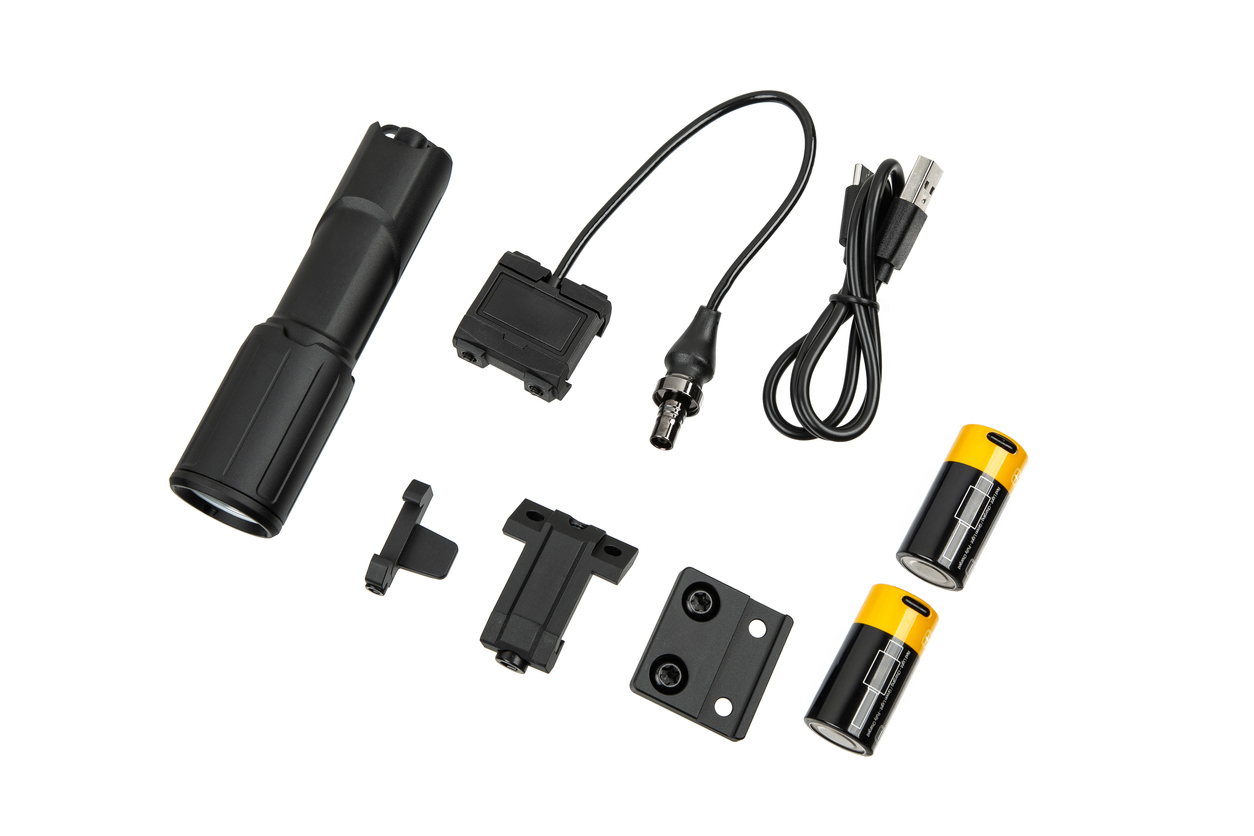
- Flashlights with tactical features
These tools allow guards to manage threats without excessive force, aligning with legal and ethical standards.
5. Surveillance and Monitoring Support
While not worn directly, integrated security systems support guards in defensive roles:
- CCTV systems
- Access control systems
- Alarm systems
These technologies reduce reliance on physical confrontation by enabling early threat detection.
Regulatory Considerations for Security Equipment in Nigeria
Security operations in Nigeria are regulated, particularly regarding the use of certain defensive tools. Companies must ensure:
- Compliance with local laws governing non-lethal weapons
- Proper licensing where required
- Adequate training for personnel using defensive gear
Failure to comply can result in legal consequences and reputational damage. Partnering with experienced suppliers helps ensure all equipment meets regulatory standards.
Challenges in Sourcing Defensive Gear in Nigeria
Businesses often face several challenges when procuring defensive gear:
- Inconsistent quality from unverified suppliers
- Import delays affecting critical equipment availability
- Lack of standardisation across different security locations
- Limited access to certified products
These issues can compromise both safety and operational efficiency.
How Wigmore Trading Supports Security Equipment Supply
For companies managing large-scale operations across Nigeria and West Africa, sourcing reliable defensive gear requires a structured approach.
Wigmore Trading supports businesses by:
- Sourcing high-quality defensive and safety equipment from verified global manufacturers
- Managing import logistics, including customs clearance and documentation
- Ensuring compliance with Nigerian regulations
- Providing bulk procurement solutions for organisations with multiple sites
This approach helps businesses maintain consistent standards across their security operations while reducing procurement risks.
Best Practices for Implementing Defensive Gear Programs
To maximise effectiveness, businesses should:
- Conduct regular risk assessments across facilities
- Standardise equipment across all security teams
- Provide ongoing training on equipment use
- Schedule routine maintenance and replacement of gear
A structured program ensures that defensive equipment remains effective and aligned with operational needs.
Conclusion
Investing in the right defensive gear for security guards in Nigeria is a critical component of risk management for businesses operating in logistics, trade, and distribution sectors. From basic PPE to advanced non-lethal tools and communication systems, the right equipment enhances safety, efficiency, and operational resilience.
With the added complexities of sourcing, compliance, and logistics, working with an experienced partner can streamline the process and ensure consistent quality.
Wigmore Trading can help. Contact Wigmore Trading today to streamline your sourcing.

Comments are closed.