

Essential Guide to Security Patrol Equipment in Nigeria


Security patrol operations are a critical component of safeguarding assets, infrastructure, and communities across Nigeria. With rising demand for professional security services in sectors such as logistics, retail, oil and gas, and real estate, the need for reliable and efficient security patrol equipment in Nigeria has become increasingly important.
This article explores key types of patrol equipment, their practical applications, and how businesses can optimise procurement and deployment through trusted partners like Wigmore Trading.
Understanding Security Patrol Equipment in Nigeria
Security patrol equipment refers to tools and technologies used by security personnel to monitor, record, and respond to incidents during patrols. In Nigeria, these tools are widely used by private security firms, corporate organisations, and government agencies.
Effective patrol equipment enhances visibility, accountability, and response time, which are essential in managing risks across diverse environments—from warehouses and ports to residential estates and industrial facilities.
Key Types of Security Patrol Equipment
1. Communication Devices
Reliable communication is essential for coordinated patrol operations. Common tools include:
- Two-way radios (walkie-talkies)
- Mobile communication devices
- Emergency alert systems
These devices enable real-time reporting and quick response to incidents, particularly in large facilities or remote areas where network coverage may vary.
2. Patrol Monitoring Systems
Digital patrol monitoring systems help track guard movements and ensure accountability. These systems typically include:
- RFID or NFC checkpoint tags
- Handheld scanning devices
- Cloud-based reporting software
Such systems are increasingly used in Nigeria’s commercial and logistics sectors to maintain compliance and improve operational transparency.
3. Surveillance Equipment
Surveillance tools complement physical patrols by providing visual monitoring. Key equipment includes:
- Body-worn cameras
- Portable CCTV systems
- Night vision devices
These tools are particularly useful for evidence collection and monitoring high-risk zones, such as warehouses storing high-value goods.
4. Lighting and Detection Tools
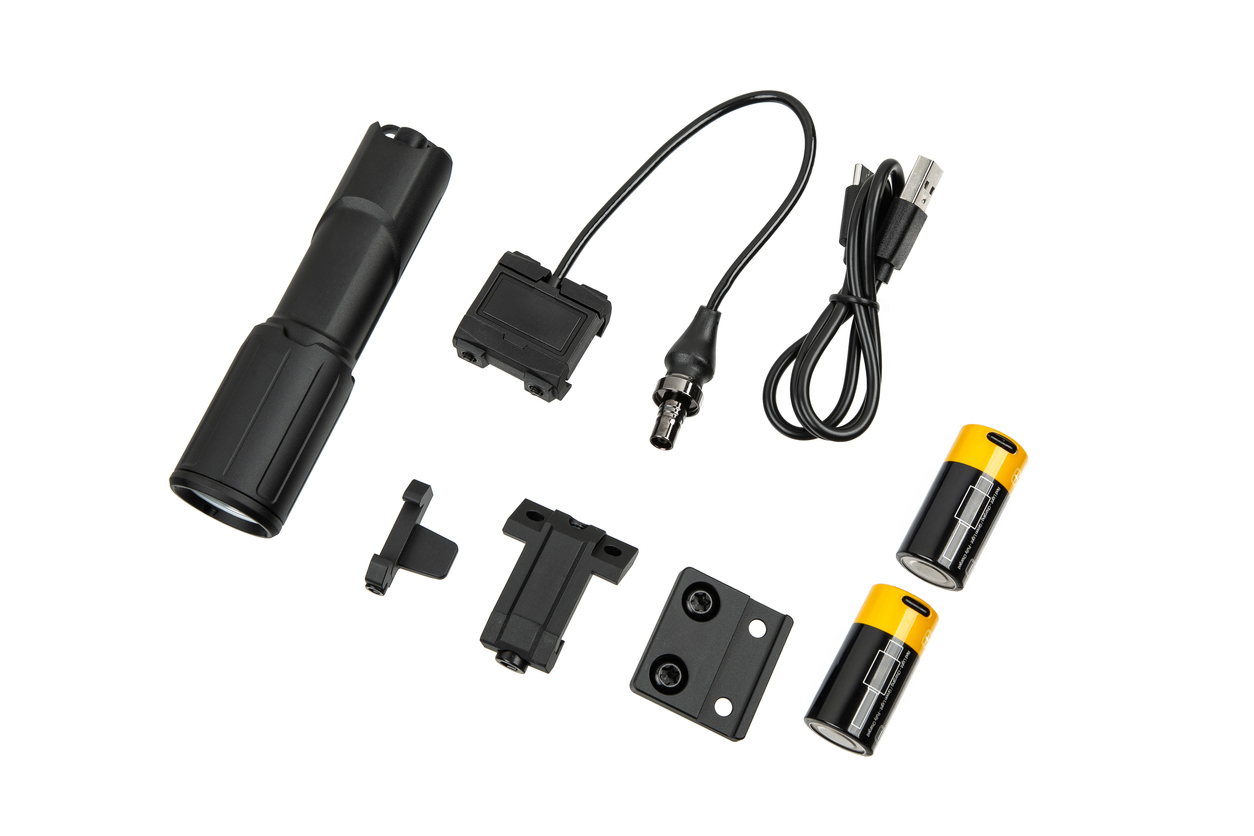
Patrols often occur in low-light environments, making illumination essential. Common tools include:
- High-lumen flashlights
- Motion detectors
- Thermal imaging devices
These enhance visibility and help detect unusual activity during night patrols.
5. Personal Protective Equipment (PPE)
Security personnel require protective gear to operate safely. This may include:
- Bulletproof vests
- Helmets
- Protective gloves
In high-risk sectors like oil and gas or cash-in-transit services, PPE is a critical investment.
Challenges in Sourcing Security Patrol Equipment in Nigeria
Despite growing demand, businesses often face several challenges when sourcing security patrol equipment in Nigeria:
- Inconsistent product quality due to fragmented supplier networks
- Import delays and customs complexities affecting timely delivery
- Limited access to advanced technologies in local markets
- High costs due to inefficient supply chains
These challenges can impact operational efficiency and compromise security outcomes.
How to Optimise Procurement and Supply
To address these challenges, businesses should adopt a structured procurement strategy:
Work with Reliable Supply Chain Partners
Partnering with an experienced sourcing and distribution company can significantly reduce risks. Wigmore Trading, for example, supports businesses by sourcing high-quality security equipment from verified global manufacturers and ensuring smooth importation into Nigeria.
Prioritise Compliance and Standards
Ensure all equipment meets relevant safety and operational standards. This is especially important for communication devices and surveillance systems, which may be subject to regulatory requirements.
Consolidate Shipments
Bulk procurement and consolidated shipping can reduce costs and improve delivery timelines—particularly for businesses managing multiple sites.
Leverage Local Distribution Networks
Efficient last-mile delivery is critical. Companies with established logistics networks in Nigeria can ensure equipment reaches operational sites quickly and securely.
The Role of Logistics in Security Equipment Deployment
Beyond sourcing, logistics plays a crucial role in the deployment of security patrol equipment. Timely delivery, proper handling, and inventory management are essential for maintaining operational readiness.
Wigmore Trading provides end-to-end logistics support, including warehousing, customs clearance, and distribution across Nigeria and West Africa. This integrated approach helps businesses maintain consistent supply and avoid disruptions.
Future Trends in Security Patrol Equipment
The security sector in Nigeria is evolving, with increasing adoption of technology-driven solutions:
- Smart patrol systems integrated with AI and analytics
- GPS-enabled tracking devices for real-time monitoring
- Cloud-based reporting platforms for centralised management
Businesses that invest in modern equipment and efficient supply chains will be better positioned to manage risks and scale operations.
Conclusion
Security patrol equipment is a vital investment for organisations operating in Nigeria’s dynamic and often complex environments. From communication tools to advanced monitoring systems, the right equipment enhances safety, accountability, and efficiency.
However, sourcing and deploying these tools effectively requires a reliable supply chain strategy. By working with experienced partners and prioritising quality and compliance, businesses can overcome common challenges and strengthen their security operations.
Wigmore Trading can help. Contact Wigmore Trading today to streamline your sourcing.


Comments are closed.