

Understanding the Market for Tactical Gear in Nigeria: Supply, Demand, and Distribution

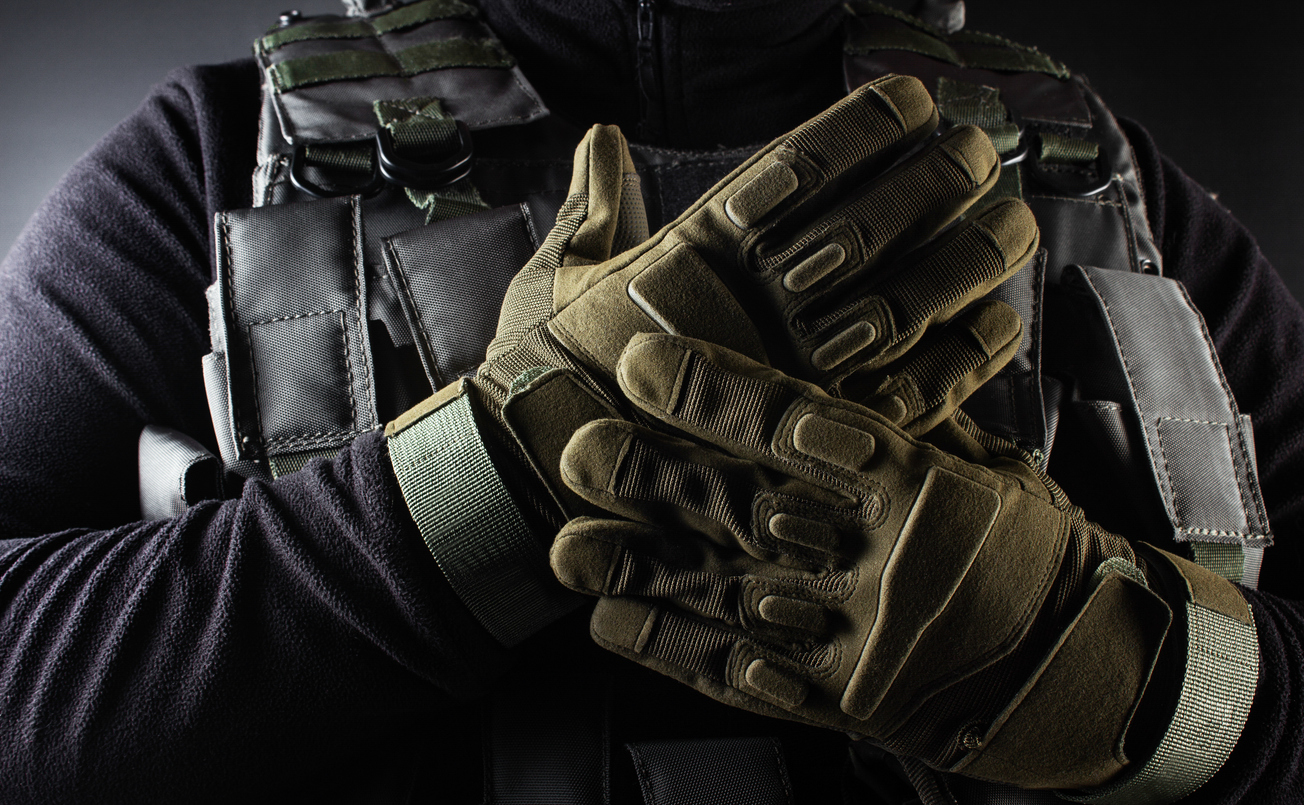
The demand for tactical gear in Nigeria has grown steadily in recent years, driven by increased security awareness, industrial safety requirements, and the expansion of private security services. Tactical equipment—ranging from protective clothing and boots to communication tools and load-bearing gear—is no longer limited to military use. It is now widely used across sectors such as oil and gas, construction, logistics, and private security.
For businesses operating in Nigeria, understanding how to source, distribute, and manage tactical gear efficiently is essential for maintaining safety standards and operational readiness.
What Is Tactical Gear and Who Uses It?
Tactical gear refers to specialised equipment designed for durability, protection, and efficiency in demanding environments. Common items include:
- Tactical vests and body armour
- Military-grade boots
- Protective gloves and helmets
- Utility belts and backpacks
- Communication devices
In Nigeria, these products are used by:
- Security firms and private guards
- Oil and gas companies operating in high-risk areas
- Construction and industrial workers
- Government agencies and law enforcement
- NGOs working in remote or volatile regions
The diversity of end users highlights the importance of reliable supply chains and quality assurance.
Key Drivers of Demand for Tactical Gear in Nigeria
Several factors are influencing the growth of the tactical gear market:
1. Increased Security Needs
Urbanisation and infrastructure development have led to a higher demand for private security services. Businesses and residential estates increasingly rely on trained personnel equipped with durable and functional gear.
2. Industrial Safety Regulations
Industries such as oil and gas, mining, and logistics require protective equipment that meets safety standards. Tactical gear often overlaps with personal protective equipment (PPE), especially in rugged environments.
3. Expansion of Logistics and Field Operations
Companies involved in distribution, warehousing, and last-mile delivery in challenging terrains require gear that enhances mobility and durability for field staff.
Challenges in Sourcing Tactical Gear in Nigeria
Despite growing demand, businesses face several obstacles when sourcing tactical gear locally or internationally.
Limited Local Manufacturing
Nigeria has limited large-scale production of high-quality tactical gear. As a result, many companies depend on imports, which introduces complexities such as:
- Customs clearance delays
- Import duties and compliance requirements
- Quality inconsistencies across suppliers
Risk of Substandard Products
The market includes low-quality or counterfeit items that may not meet safety or durability standards. This poses operational risks, especially in high-stakes environments.
Logistics and Distribution Constraints
Transporting tactical gear across Nigeria—particularly to remote or high-risk regions—can be challenging due to infrastructure limitations and security concerns.
How to Source Tactical Gear in Nigeria Efficiently
To mitigate these challenges, businesses should adopt a structured procurement approach.
Work with Verified Suppliers
Partnering with trusted international manufacturers ensures consistent product quality. Due diligence is essential, including supplier audits and certification checks.
Ensure Compliance with Import Regulations
Tactical gear may fall under regulated categories, depending on its specifications. Proper documentation and adherence to Nigerian import laws are critical to avoid delays or penalties.
Optimise Bulk Procurement
Bulk purchasing reduces unit costs and ensures inventory availability, particularly for organisations with ongoing operational needs.
The Role of Distribution and Supply Chain Management
Efficient distribution is as important as sourcing. Businesses need to ensure that tactical gear reaches the right locations on time and in good condition.
Key considerations include:
- Warehousing solutions for inventory management
- Reliable transport networks for nationwide delivery
- Inventory tracking to prevent shortages or overstocking
A well-managed supply chain reduces operational downtime and enhances safety compliance across teams.
How Wigmore Trading Supports Tactical Gear Supply
Navigating the complexities of sourcing and distributing tactical gear in Nigeria requires expertise in procurement, logistics, and regulatory compliance.
Wigmore Trading supports businesses by:
- Sourcing from reputable global manufacturers to ensure quality and durability
- Managing import processes, including documentation and customs clearance
- Providing warehousing and distribution solutions across Nigeria
- Ensuring compliance with local regulations and industry standards
By integrating sourcing and logistics services, Wigmore Trading helps businesses maintain consistent supply while reducing operational risks.
Practical Tips for Businesses
To improve efficiency when handling tactical gear procurement:
- Standardise specifications to ensure consistency across orders
- Maintain buffer stock for critical operations
- Regularly assess supplier performance
- Invest in durable, certified products rather than low-cost alternatives
These steps contribute to long-term cost savings and operational reliability.
Conclusion
The market for tactical gear in Nigeria is expanding, driven by security needs, industrial growth, and increased field operations. However, sourcing high-quality products and managing distribution effectively remains a challenge for many businesses.
A structured approach to procurement, combined with reliable logistics support, is essential for ensuring safety, compliance, and operational efficiency.
Wigmore Trading can help. Contact Wigmore Trading today to streamline your sourcing.




Comments are closed.