

Understanding Body Armour in Nigeria: Regulations, Uses, and Supply Considerations

Body armour in Nigeria is increasingly relevant across sectors such as private security, oil and gas, logistics, and high-risk transportation. As businesses expand operations and supply chains across diverse regions, the need for protective equipment has become a practical consideration rather than a niche requirement. This article explores the regulatory environment, common applications, sourcing challenges, and how businesses can approach procurement effectively.
What Is Body Armour and Why Is It Used?
Body armour refers to protective clothing designed to absorb or deflect physical attacks, particularly from firearms or sharp objects. It typically includes ballistic vests, plate carriers, and helmets, each offering varying levels of protection.
In Nigeria, demand for body armour is driven by:
- Private security firms protecting personnel and assets
- Oil and gas operations in high-risk zones
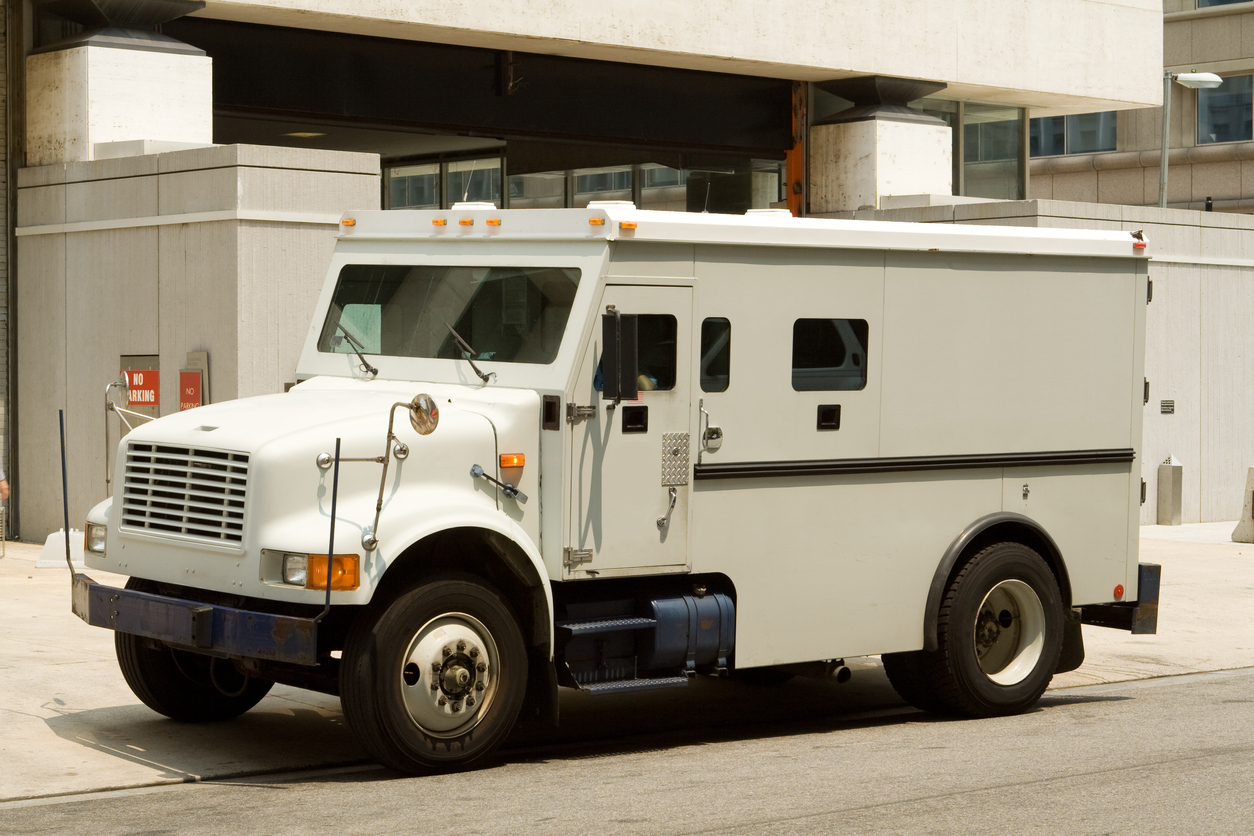
- Cash-in-transit and logistics companies
- NGOs and international organisations operating in sensitive areas
The focus is not only on protection but also on mobility, comfort, and compliance with operational standards.
Regulatory Framework for Body Armour in Nigeria
Compliance Requirements for Body Armour in Nigeria
The importation, sale, and use of body armour in Nigeria are regulated due to national security concerns. Businesses must ensure compliance with:
- Nigerian Customs Service (NCS) regulations for import permits
- Office of the National Security Adviser (ONSA) approvals for controlled equipment
- End-user certification to verify legitimate use
Failure to comply can lead to shipment seizures, fines, or legal penalties. Therefore, understanding documentation requirements before procurement is essential.
Types of Body Armour Available
Selecting the right body armour depends on the level of threat and operational needs. Common categories include:
- Soft armour: Lightweight vests designed to stop handgun rounds
- Hard armour: Includes ceramic or steel plates for higher-calibre protection
- Concealable armour: Worn discreetly under clothing
- Tactical armour: Designed for military or high-risk operations with modular features
Each type must meet international standards such as NIJ (National Institute of Justice) ratings to ensure reliability.
Key Challenges in Sourcing Body Armour
Import and Supply Chain Barriers
Sourcing body armour in Nigeria presents several challenges:
- Regulatory delays: Obtaining permits can slow procurement timelines
- Quality assurance risks: Counterfeit or substandard products in global markets
- Logistics complexity: Handling sensitive shipments requires secure and compliant transport
- Cost fluctuations: Exchange rates and import duties can affect pricing
These challenges highlight the need for a structured procurement strategy.
Best Practices for Procurement
Ensuring Quality and Compliance
Businesses should adopt the following practices when sourcing body armour:
- Work with verified international manufacturers
- Request certification and testing documentation
- Conduct supplier due diligence
- Plan for regulatory approvals early in the process
Leveraging Experienced Trade Partners
Partnering with an experienced sourcing and logistics company can significantly reduce risk. Wigmore Trading, for example, supports businesses by:
- Coordinating compliant import processes
- Managing supplier verification and quality checks
- Handling freight, customs clearance, and last-mile delivery
- Advising on documentation and regulatory requirements
This approach allows organisations to focus on operations while ensuring equipment arrives safely and legally.
Applications Across Industries
Body armour is not limited to military use. In Nigeria, it plays a role in:
- Logistics and transportation: Protecting drivers and personnel handling valuable goods
- FMCG distribution: Safeguarding supply chains in high-risk areas
- Construction and mining: Supporting security teams on remote sites
- Humanitarian operations: Ensuring staff safety in volatile regions
As industries expand into new territories, risk management strategies increasingly include protective equipment.
Future Outlook for Body Armour in Nigeria
Demand for body armour in Nigeria is expected to grow alongside infrastructure development, cross-border trade, and investment in security services. However, regulatory oversight will likely remain strict, requiring businesses to stay informed and compliant.
Advancements in materials—such as lighter composites and improved ergonomics—are also shaping procurement decisions, with organisations prioritising both safety and usability.
Conclusion
Body armour in Nigeria is a critical component of modern risk management for businesses operating in sensitive environments. While the market offers a range of options, navigating regulatory requirements and ensuring product quality remain key challenges.
A structured approach to sourcing—supported by experienced trade partners—can help businesses mitigate risks, maintain compliance, and ensure timely delivery.
Wigmore Trading can help. Contact Wigmore Trading today to streamline your sourcing.




Comments are closed.