
A Practical Guide to Everyday Carry Gear in Nigeria

Talk to us about this service
Trade, import, logistics, sourcing — whatever you're planning, the fastest way to a quote is a WhatsApp message. Our team replies during Lagos business hours.
WhatsApp usYour message tells us which page you came from
Everyday carry (EDC) gear refers to the essential items individuals keep on hand to handle daily tasks efficiently. In Nigeria, where business environments can be dynamic and infrastructure challenges may arise, having the right everyday carry gear is not just about convenience—it can directly impact productivity, safety, and operational efficiency.
For professionals in sectors like logistics, import/export, wholesale distribution, and FMCG, thoughtful EDC choices can support smoother workflows and better preparedness.
What Is Everyday Carry Gear in Nigeria?
Everyday carry gear in Nigeria typically includes practical tools and essentials suited to local conditions. These items help individuals manage daily activities such as communication, payments, documentation, and minor problem-solving.
Common EDC items include:
- Mobile phones and power banks
- Identification and business documents
- Wallets with cash and cards
- Notebooks or digital note-taking devices
- Multi-tools or basic utility tools
For business professionals, EDC gear often extends to items that support trade operations, such as USB drives for data transfer, portable Wi-Fi devices, and secure document holders.
Why Everyday Carry Gear Matters for Business Operations
In Nigeria’s fast-paced commercial environment, disruptions such as power outages, network instability, or logistical delays can occur. Having reliable EDC gear helps mitigate these risks.
For example:
- A power bank ensures uninterrupted communication with suppliers or clients.
- A portable hotspot allows access to online systems when traditional networks fail.
- Organized documentation prevents delays at checkpoints or during compliance inspections.
For companies involved in supply chain management, these small tools can contribute to maintaining consistency in operations and reducing downtime.
Key Everyday Carry Gear for Professionals in Nigeria
1. Communication and Power Essentials
Reliable communication is critical in industries like logistics and distribution. A smartphone paired with a high-capacity power bank ensures continuous connectivity.
In regions where electricity supply can be inconsistent, carrying backup power is particularly important for maintaining coordination with partners and clients.
2. Secure Document Storage
Professionals involved in import/export or wholesale trade often need to carry permits, invoices, and identification documents.
A durable document organizer or waterproof folder can protect important paperwork from damage. This is especially useful during transit or when navigating ports and warehouses.
3. Payment and Financial Tools
While digital payments are growing in Nigeria, cash transactions remain common in many areas.
An effective EDC setup should include:
- A secure wallet
- Multiple payment options (cash, cards, mobile payment apps)
- Receipts or transaction records for accountability
4. Practical Utility Tools
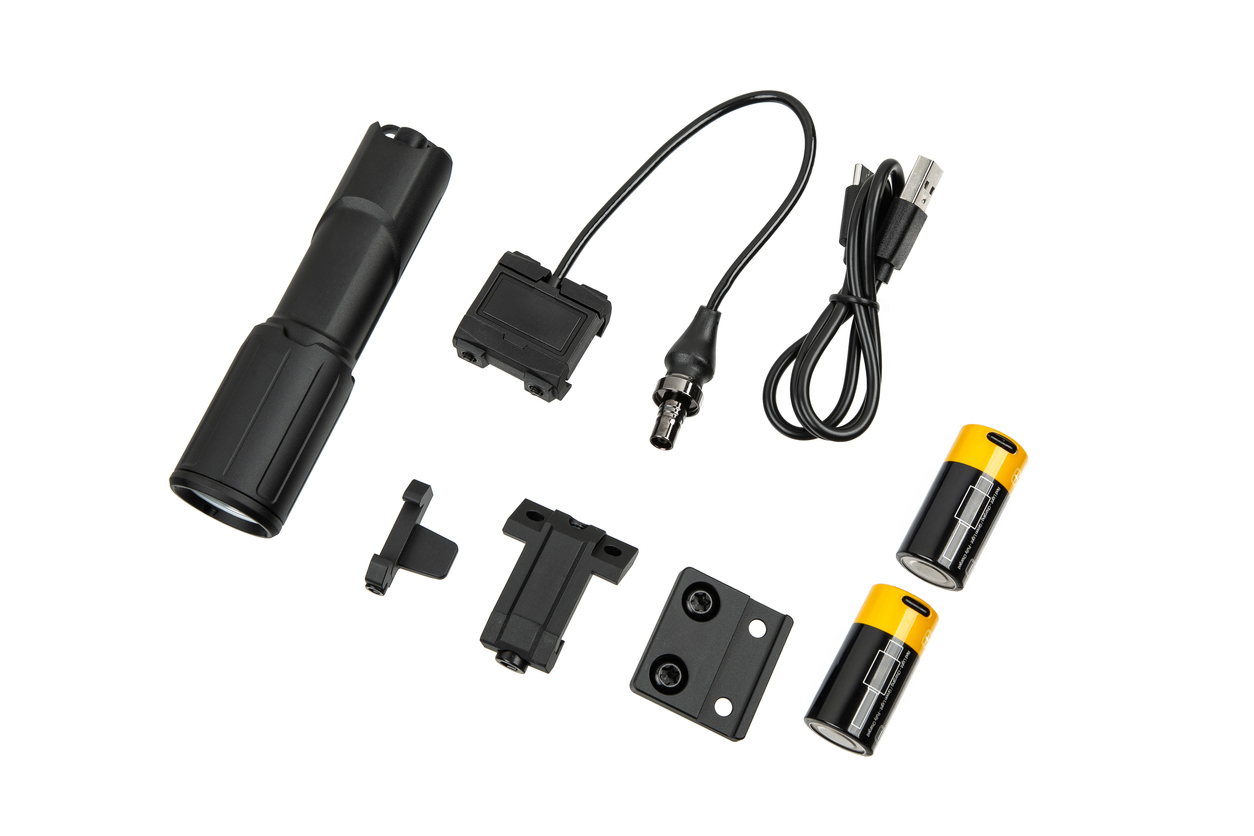
Simple tools such as a multi-tool, flashlight, or small measuring device can be valuable in warehouse environments or during field inspections.
These tools allow professionals to address minor issues quickly without disrupting operations.
Everyday Carry Gear in Nigeria and Supply Chain Efficiency
For businesses operating across Nigeria and West Africa, efficiency in logistics and supply chains is essential. Everyday carry gear plays a supporting role in ensuring that individuals on the ground can respond to challenges in real time.
For instance:
- Drivers and logistics personnel benefit from navigation tools and backup communication devices.
- Procurement officers can use portable scanners or mobile apps to verify shipments and documentation.
- Warehouse staff may rely on handheld tools to manage inventory checks.
Companies like Wigmore Trading, which support sourcing, distribution, and logistics across Africa, understand the importance of operational readiness at every level. While large-scale systems drive supply chains, individual preparedness—supported by the right EDC gear—helps ensure those systems function smoothly.
Choosing the Right Everyday Carry Gear in Nigeria
Selecting appropriate EDC gear depends on your role and operational environment. Key considerations include:
- Durability: Items should withstand heat, dust, and frequent handling.
- Portability: Gear should be compact and easy to carry throughout the day.
- Reliability: Choose trusted brands or proven tools to avoid failures.
- Relevance: Focus on items that directly support your daily tasks.
For business owners and managers, standardizing EDC recommendations for teams can improve efficiency and consistency across operations.
Integrating EDC with Broader Business Support
While everyday carry gear enhances individual productivity, it works best when combined with reliable business infrastructure.
This is where partnerships with experienced companies like Wigmore Trading become valuable. From sourcing quality products to managing logistics and ensuring compliance, having the right support systems reduces the burden on individuals and allows EDC gear to complement—not replace—structured processes.
For example:
- Instead of relying solely on personal organization, businesses can implement streamlined documentation systems.
- Logistics coordination can be enhanced with professional supply chain management services.
- Compliance challenges can be addressed through expert guidance rather than reactive measures.
Conclusion
Everyday carry gear in Nigeria is more than a personal convenience—it is a practical toolset that supports efficiency, reliability, and preparedness in daily operations. For professionals in trade, logistics, and distribution, the right EDC items can help navigate common challenges and maintain business continuity.
However, EDC gear is only one part of a larger operational framework. Combining personal preparedness with strong supply chain support ensures optimal results.
Wigmore Trading can help. Contact Wigmore Trading today to streamline your sourcing and logistics operations.
No Comments Yet.




Comments are closed.