

Understanding Security Guard Batons in Nigeria: Regulations, Types, and Procurement

Security guard batons in Nigeria play an important role in maintaining safety across commercial facilities, residential estates, warehouses, and public infrastructure. As demand for private security services continues to grow, businesses must understand the legal framework, product types, and sourcing considerations involved in procuring batons responsibly.
This article provides a clear overview of security guard batons in Nigeria, with a focus on compliance, operational use, and supply chain best practices.
The Role of Security Guard Batons in Nigeria
Security batons are non-lethal tools used by trained personnel to deter threats, control access, and respond to incidents. In Nigeria’s private security sector, they are commonly deployed by licensed security companies operating in:
- Industrial sites and warehouses
- Retail outlets and shopping complexes
- Residential estates and gated communities
- Logistics hubs and ports
Batons are preferred in many situations because they provide a visible deterrent without escalating force unnecessarily. However, their use must always align with Nigerian laws governing private security operations.
Legal Considerations for Security Guard Batons in Nigeria
The use of security guard batons in Nigeria is regulated primarily through the Nigerian Security and Civil Defence Corps (NSCDC), which oversees private guard companies (PGCs). Key considerations include:
- Licensing requirements: Only registered and approved security firms are permitted to equip personnel with defensive tools such as batons.
- Use-of-force guidelines: Batons must be used strictly for defensive purposes and within defined engagement protocols.
- Training obligations: Guards must be trained in proper handling to avoid misuse or liability risks.
Businesses outsourcing security services should ensure their providers are fully compliant. Improper use of batons can result in legal exposure, reputational damage, and operational disruptions.
Types of Security Guard Batons Available
When sourcing security guard batons in Nigeria, it is important to understand the main product categories and their use cases.
1. Fixed (Straight) Batons
These are traditional, non-collapsible batons made from materials such as rubber, wood, or polycarbonate. They are:
- Durable and low maintenance
- Suitable for static security roles
- Cost-effective for large deployments
2. Expandable (Telescopic) Batons
Expandable batons are compact and extend when needed. They are widely used due to:
- Ease of portability
- Rapid deployment
- Professional appearance
However, they require proper training to avoid accidental injury or mechanical failure.
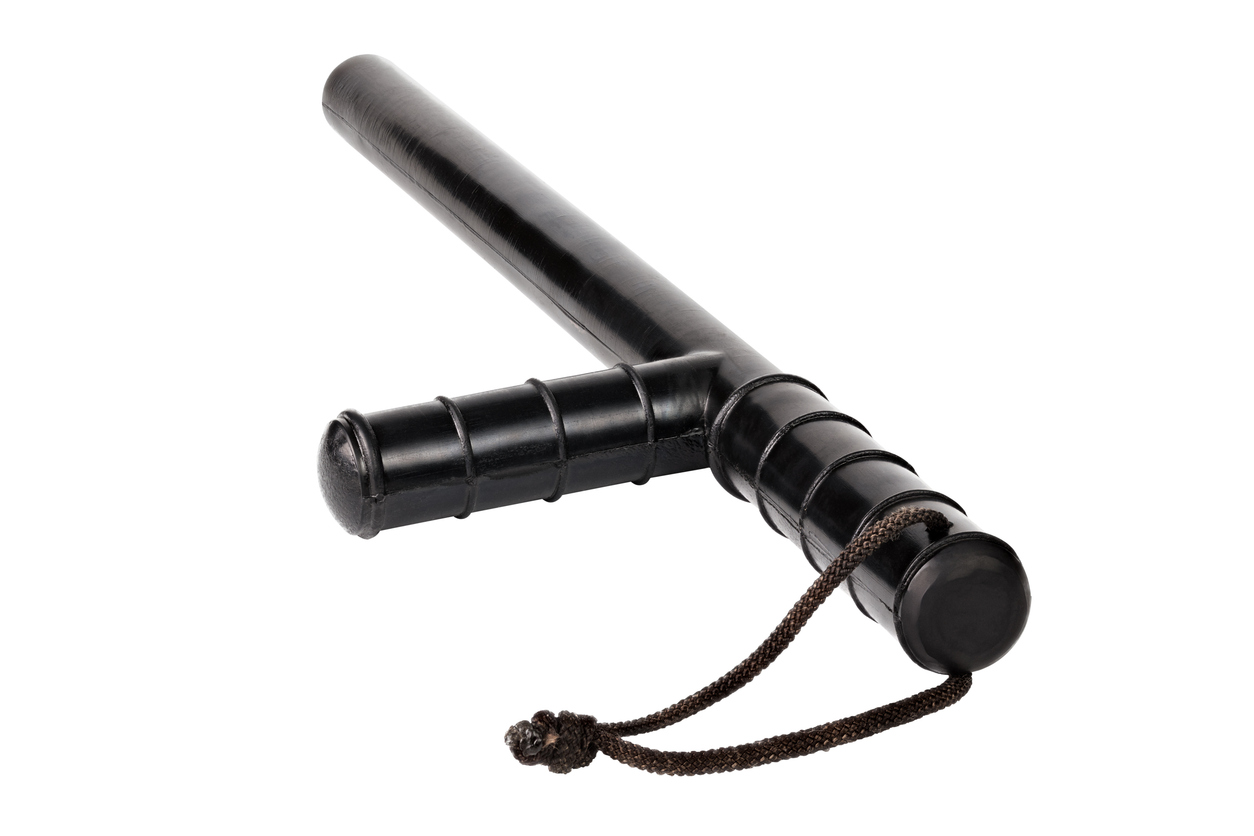
3. Side-Handle Batons (Tonfa)
These batons feature a perpendicular handle for improved grip and control. They are commonly used in more structured security environments because they allow:
- Better defensive techniques
- Enhanced control during confrontations
Their use typically requires more advanced training.
Procurement Challenges in Nigeria
Sourcing security guard batons in Nigeria can present several challenges, particularly for companies managing large-scale operations or multi-site logistics.
Quality Variability
The market includes a mix of high-quality and substandard products. Low-grade batons may:
- Break under pressure
- Pose safety risks to guards
- Fail to meet operational standards
Import and Compliance Issues
Many batons are imported, which introduces complexities such as:
- Customs clearance delays
- Import documentation requirements
- Compliance with local regulatory standards
Supply Chain Reliability
Inconsistent supply can disrupt security operations, especially for companies scaling across multiple locations.
How to Source Security Guard Batons Efficiently
To ensure consistent quality and compliance, businesses should adopt a structured procurement approach:
- Work with verified suppliers: Ensure products meet durability and safety standards.
- Confirm regulatory alignment: Verify that equipment is approved for use by licensed security firms.
- Standardise equipment: Using uniform baton types simplifies training and operational procedures.
- Plan logistics in advance: Factor in shipping timelines and customs processes.
This is where an experienced sourcing and logistics partner becomes valuable.
How Wigmore Trading Supports Security Equipment Supply
Wigmore Trading works with businesses across Nigeria and West Africa to streamline the sourcing and distribution of operational equipment, including security tools.
By leveraging established supplier networks and logistics expertise, Wigmore Trading can help organisations:
- Source compliant and durable security guard batons
- Manage importation and customs clearance processes
- Ensure consistent supply across multiple locations
- Integrate procurement into broader supply chain operations
For companies operating warehouses, retail chains, or industrial facilities, this integrated approach reduces risk and improves operational continuity.
Best Practices for Safe Baton Deployment
Beyond procurement, businesses should prioritise responsible usage:
- Provide certified training for all security personnel
- Establish clear incident response protocols
- Conduct routine equipment inspections
- Maintain compliance with NSCDC guidelines
These measures help ensure that batons remain effective tools for safety rather than sources of liability.
Conclusion
Security guard batons in Nigeria are essential tools within the private security ecosystem, but their effectiveness depends on proper regulation, quality sourcing, and responsible use. Businesses must balance operational needs with legal compliance and supply chain reliability.
By adopting structured procurement strategies and working with experienced partners, organisations can ensure consistent access to safe and compliant equipment.
Wigmore Trading can help. Contact Wigmore Trading today to streamline your sourcing.

Comments are closed.