

Understanding the Market for Tactical Equipment in Nigeria

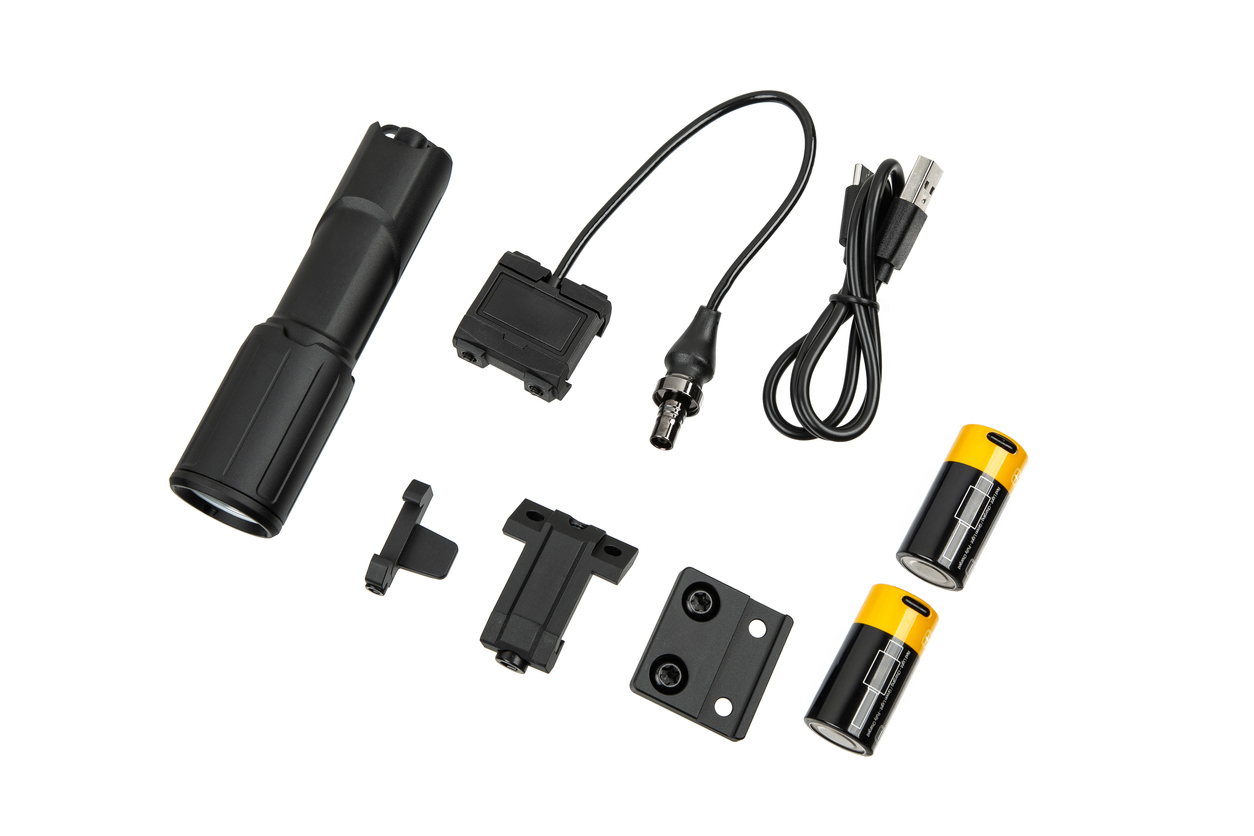
The demand for tactical equipment in Nigeria has grown steadily in recent years, driven by increased security needs, industrial expansion, and the professionalisation of private security services. From law enforcement agencies to private firms and industrial operators, organisations require reliable, durable, and compliant equipment to support safety and operational efficiency.
This article explores the tactical equipment market in Nigeria, key challenges faced by buyers, and how businesses can source quality products efficiently.
What Is Tactical Equipment?
Tactical equipment refers to specialised gear designed for security, defence, and operational use in demanding environments. In Nigeria, this typically includes:
- Protective clothing such as body armour and helmets
- Communication devices and surveillance tools
- Tactical footwear and uniforms
- Outdoor and field equipment for security personnel
- Industrial-grade safety gear for high-risk environments
While traditionally associated with military and law enforcement, tactical equipment is now widely used in sectors such as oil and gas, construction, logistics, and private security.
Demand for Tactical Equipment in Nigeria
Nigeria’s economic landscape and security considerations have created a strong and consistent demand for tactical equipment. Several factors contribute to this:
Expanding Private Security Sector
Private security companies are growing rapidly across Nigeria, particularly in urban and industrial regions. These firms require standardised equipment to ensure personnel safety and maintain professional service delivery.
Industrial and Infrastructure Growth
Industries such as oil and gas, mining, and construction require tactical-grade safety equipment to protect workers in hazardous environments. This overlaps with industrial PPE but often demands higher durability and specialised functionality.
Government and Institutional Procurement
Government agencies, including customs, police, and paramilitary organisations, regularly procure tactical equipment. These purchases must meet strict regulatory and quality standards.
Challenges in Sourcing Tactical Equipment in Nigeria
Despite strong demand, sourcing tactical equipment in Nigeria comes with several challenges that businesses must navigate carefully.
Quality Assurance and Compliance
One of the biggest concerns is ensuring that products meet international safety standards. Substandard or counterfeit equipment can compromise safety and expose organisations to liability risks.
Importation Complexities
Many tactical products are imported due to limited local manufacturing capacity. This introduces challenges such as:
- Customs clearance delays
- Regulatory approvals
- Import documentation requirements
- Tariffs and duties
Without proper expertise, these processes can disrupt supply chains.
Supplier Reliability
Identifying trustworthy international suppliers can be difficult. Businesses often face issues such as inconsistent product quality, delayed shipments, or lack of transparency in specifications.
Cost Management
Balancing cost and quality is critical. While lower-cost options may seem attractive, they often fail to meet durability and compliance requirements, leading to higher long-term expenses.
Best Practices for Procuring Tactical Equipment in Nigeria
To overcome these challenges, businesses should adopt a structured procurement approach.
Work with Verified Suppliers
Partnering with reputable manufacturers and distributors ensures consistent product quality. Due diligence should include certification checks, product testing, and supplier audits.
Prioritise Compliance
Ensure that all equipment meets relevant international and local standards. This is particularly important for protective gear and communication devices used in regulated environments.
Plan Logistics in Advance
Efficient logistics planning reduces delays and unexpected costs. This includes:
- Accurate documentation
- Understanding import regulations
- Coordinating shipping timelines
Use Experienced Procurement Partners
Engaging a professional sourcing and logistics partner can significantly reduce risk. Companies with expertise in import/export and African trade can streamline the entire process, from supplier selection to final delivery.
How Wigmore Trading Supports Tactical Equipment Sourcing
For businesses looking to procure tactical equipment in Nigeria, working with an experienced partner can make a substantial difference. Wigmore Trading provides end-to-end support across sourcing, logistics, and distribution.
This includes:
- Identifying and vetting reliable global suppliers
- Managing procurement processes to ensure quality and compliance
- Handling import logistics, customs clearance, and documentation
- Coordinating distribution within Nigeria and across West Africa
By leveraging established supply chain networks, Wigmore Trading helps businesses reduce procurement risks while maintaining efficiency and cost control.
Distribution and Supply Chain Considerations
Once equipment is sourced, efficient distribution is essential. Tactical equipment often needs to reach multiple locations, including remote or high-risk areas.
Key considerations include:
- Secure transportation to prevent loss or damage
- Inventory management to maintain availability
- Regional distribution networks for timely delivery
A structured supply chain ensures that equipment is available when needed, without unnecessary delays.
Future Outlook for Tactical Equipment in Nigeria
The market for tactical equipment in Nigeria is expected to remain strong, supported by ongoing investments in infrastructure, security, and industrial development. Businesses that prioritise quality, compliance, and efficient sourcing will be better positioned to meet this demand.
As supply chains become more complex, the role of experienced procurement and logistics partners will continue to grow.
Conclusion
Sourcing tactical equipment in Nigeria requires careful planning, reliable partnerships, and a strong understanding of import and compliance requirements. While challenges exist, businesses can mitigate risks by adopting structured procurement strategies and working with experienced supply chain partners.
Wigmore Trading can help. Contact Wigmore Trading today to streamline your sourcing.




Comments are closed.