

Is Knife Legal for Self Defence in Nigeria? A Practical Guide for Businesses and Individuals

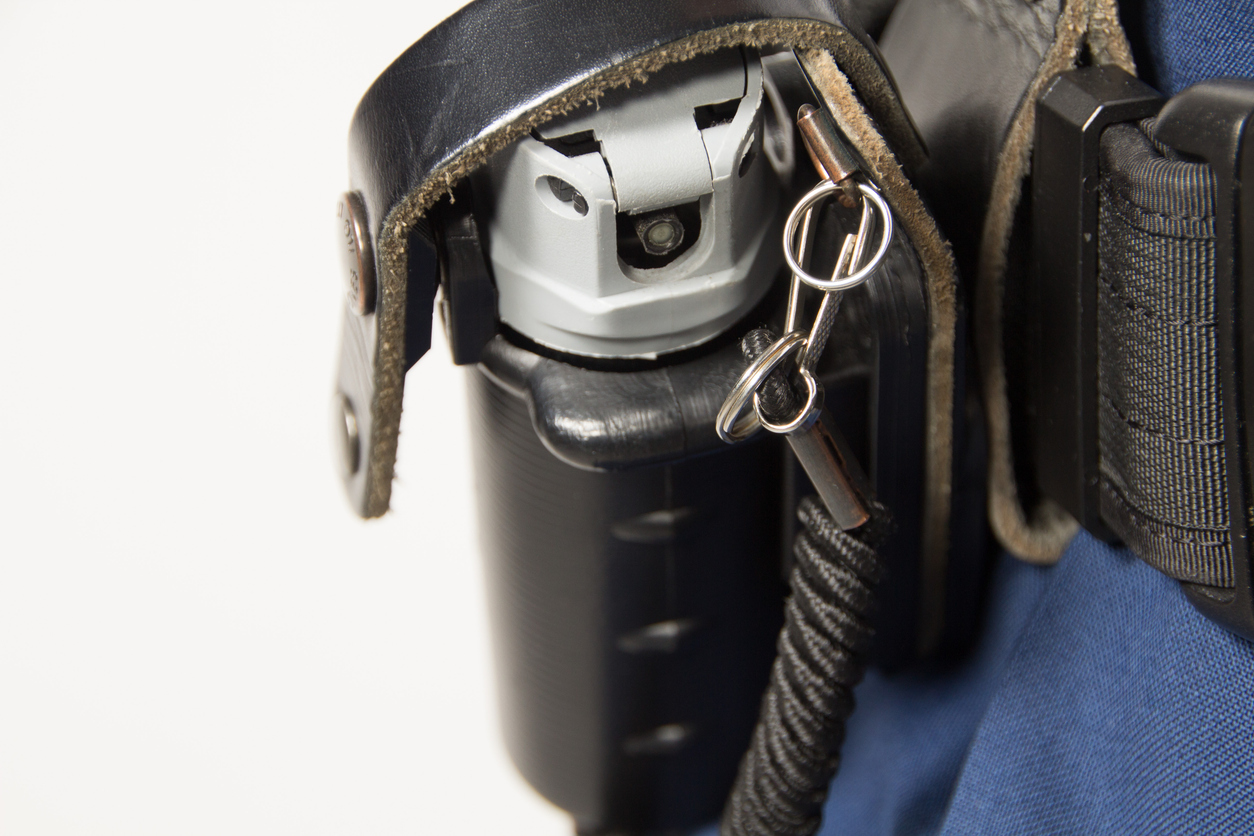
Understanding the legality of carrying a knife for self-defence in Nigeria is important not only for individuals but also for businesses involved in logistics, warehousing, and field operations. Misinterpreting the law can expose individuals and companies to legal risks, especially in regulated environments such as ports, transport routes, and commercial hubs.
This article explains the legal framework, practical considerations, and how businesses can stay compliant while ensuring safety.
Understanding Nigerian Law on Carrying Knives
In Nigeria, the law does not explicitly permit carrying knives for self-defence. Instead, regulations are governed by broader criminal laws such as the Criminal Code Act and Penal Code, which address possession of offensive weapons.
A knife may be considered an offensive weapon depending on:
- The type of knife (e.g., dagger, switchblade)
- The intent behind carrying it
- The circumstances in which it is found
If law enforcement believes a knife is being carried with the intent to harm or intimidate, it may lead to arrest or prosecution.
Is Knife Legal for Self Defence in Nigeria?
Legal Interpretation and Risks
The key issue is intent. While everyday tools like kitchen knives or utility blades are legal for legitimate purposes (e.g., work, trade, or domestic use), carrying a knife specifically for self-defence is legally ambiguous and often discouraged.
Authorities may interpret possession as unlawful if:
- The knife is concealed without a clear work-related purpose
- It is carried in public spaces such as markets, transport hubs, or ports
- There is suspicion of potential misuse
This creates a legal grey area where even ordinary tools can become problematic if not properly justified.
Practical Implications for Businesses and Workers
For companies operating in logistics, FMCG distribution, and import/export sectors, this issue is particularly relevant. Staff often handle tools for packaging, cutting, or warehouse operations.
Common Scenarios
- Warehouse workers using box cutters
- Transport staff carrying tools for cargo handling
- Field agents operating in high-risk environments
Without clear policies, these tools could be misinterpreted as weapons during inspections or security checks.
Safer Alternatives to Carrying Knives
Rather than relying on knives for personal protection, individuals and businesses should consider safer, legally compliant approaches:
- Situational awareness training
- Use of licensed security personnel
- Secure transport planning
- Technology solutions (GPS tracking, communication systems)
For companies, investing in structured safety protocols is more effective and legally sound than allowing staff to carry potentially restricted items.
Compliance Strategies for Importers and Distributors
Businesses involved in supply chain operations across Nigeria must prioritise compliance to avoid disruptions.
Key Compliance Measures
1. Define Tool Usage Policies
Clearly outline which tools are permitted, where they can be used, and under what conditions.
2. Document Legitimate Use
Ensure that any sharp tools carried by staff are tied to specific job functions and documented accordingly.
3. Train Staff on Legal Awareness
Employees should understand the risks of carrying items that could be classified as offensive weapons.
4. Engage Professional Logistics Partners
Working with experienced partners helps reduce operational risks and ensures adherence to local regulations.
How Wigmore Trading Supports Safe and Compliant Operations
Navigating legal and operational risks in Nigeria’s trade environment requires expertise. Wigmore Trading supports businesses by:
- Managing compliant logistics and distribution networks
- Advising on local regulatory requirements
- Ensuring proper handling and documentation of goods and tools
- Providing secure supply chain solutions across Nigeria and West Africa
By outsourcing critical logistics functions, businesses can reduce exposure to legal uncertainties and focus on core operations.
Conclusion
While knives are not outright banned in Nigeria, carrying one for self-defence is legally uncertain and can lead to serious consequences if misinterpreted. For individuals and businesses, the safest approach is to avoid relying on such items for protection and instead adopt structured, compliant safety strategies.
In sectors like import/export and distribution, clear policies, staff training, and professional logistics support are essential for maintaining both safety and legal compliance.
Wigmore Trading can help. Contact Wigmore Trading today to streamline your sourcing and ensure compliant operations across Nigeria.




Comments are closed.