
Understanding Defence Gear for Civilians in Nigeria: Legal Options and Practical Considerations


As security concerns evolve across urban and rural areas in Nigeria, individuals and businesses are increasingly exploring defence gear for civilians in Nigeria as a way to enhance personal safety. However, navigating this space requires a clear understanding of legal restrictions, product availability, and responsible usage.
This article outlines the types of defence gear available to civilians, regulatory considerations, and how businesses can source compliant safety equipment through trusted supply partners like Wigmore Trading.
What Is Defence Gear for Civilians in Nigeria?
Defence gear for civilians refers to non-military, legally permitted tools designed to improve personal safety and reduce vulnerability to threats. These products are typically non-lethal and intended for deterrence, alerting, or basic self-protection.
Common categories include:
- Personal alarms and alert systems
- Pepper spray (subject to regulation)
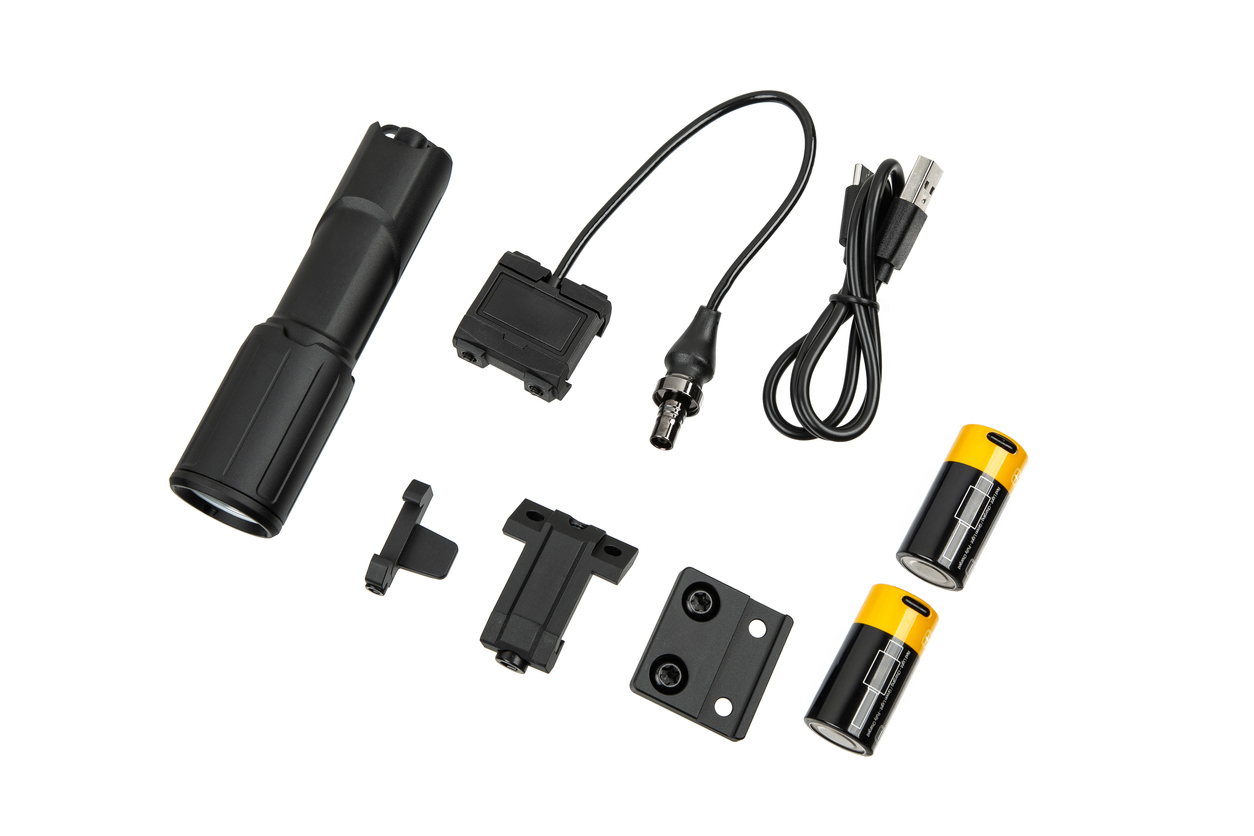
- Tactical flashlights
- Protective clothing (e.g. reinforced gloves, vests)
- Surveillance and access control systems
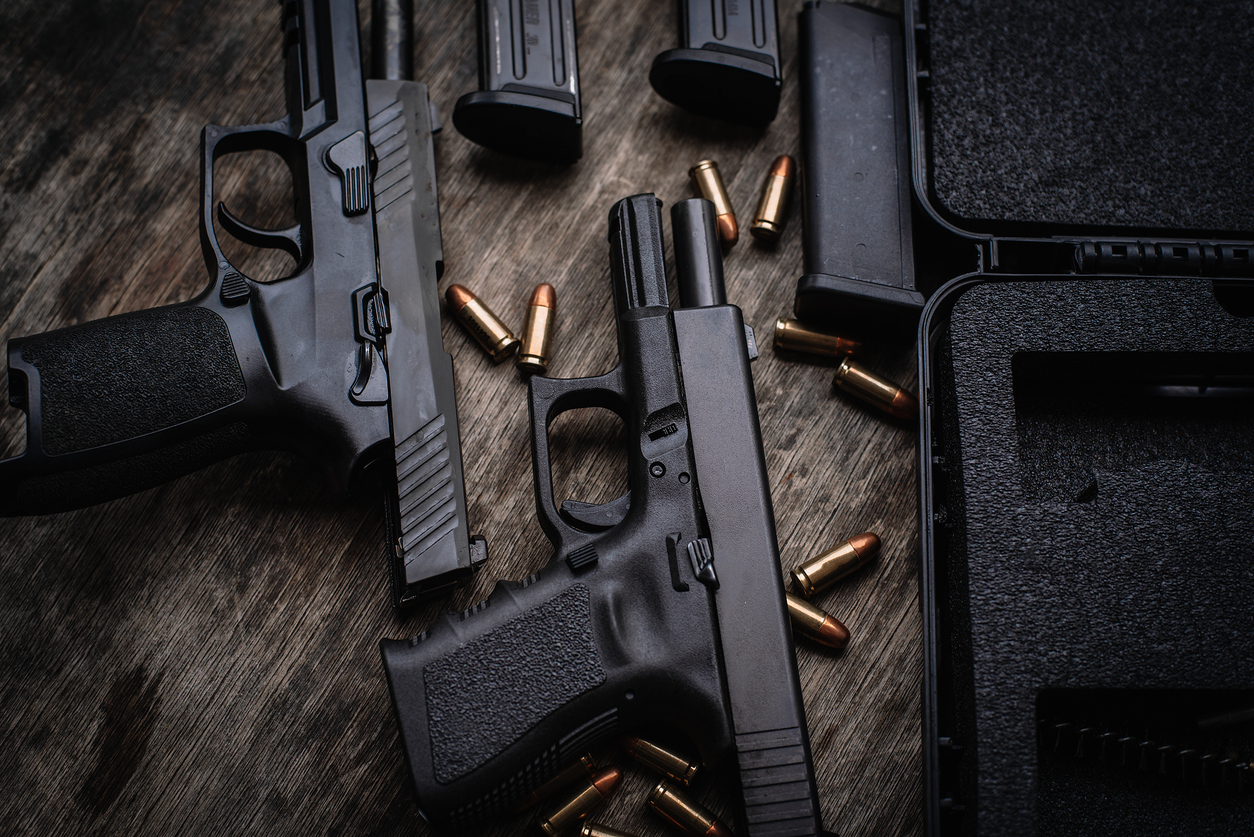
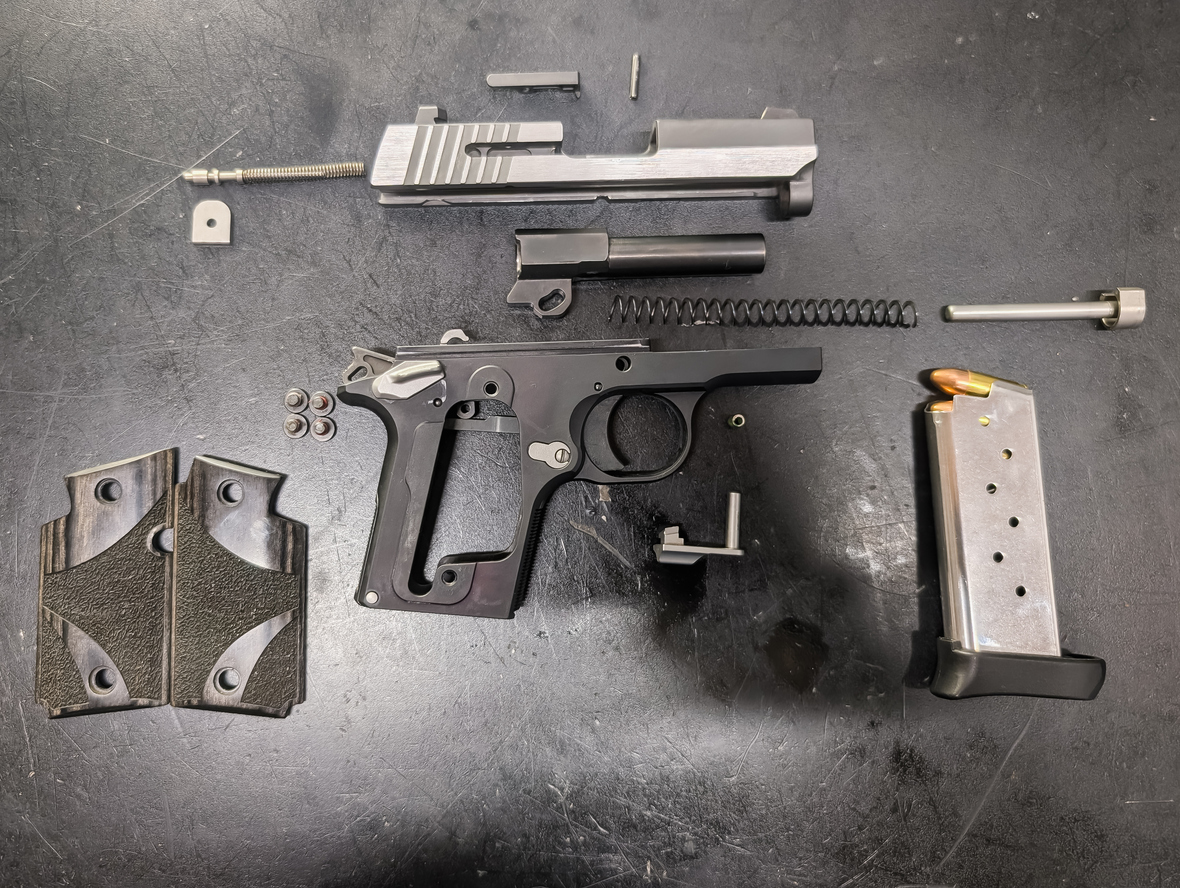
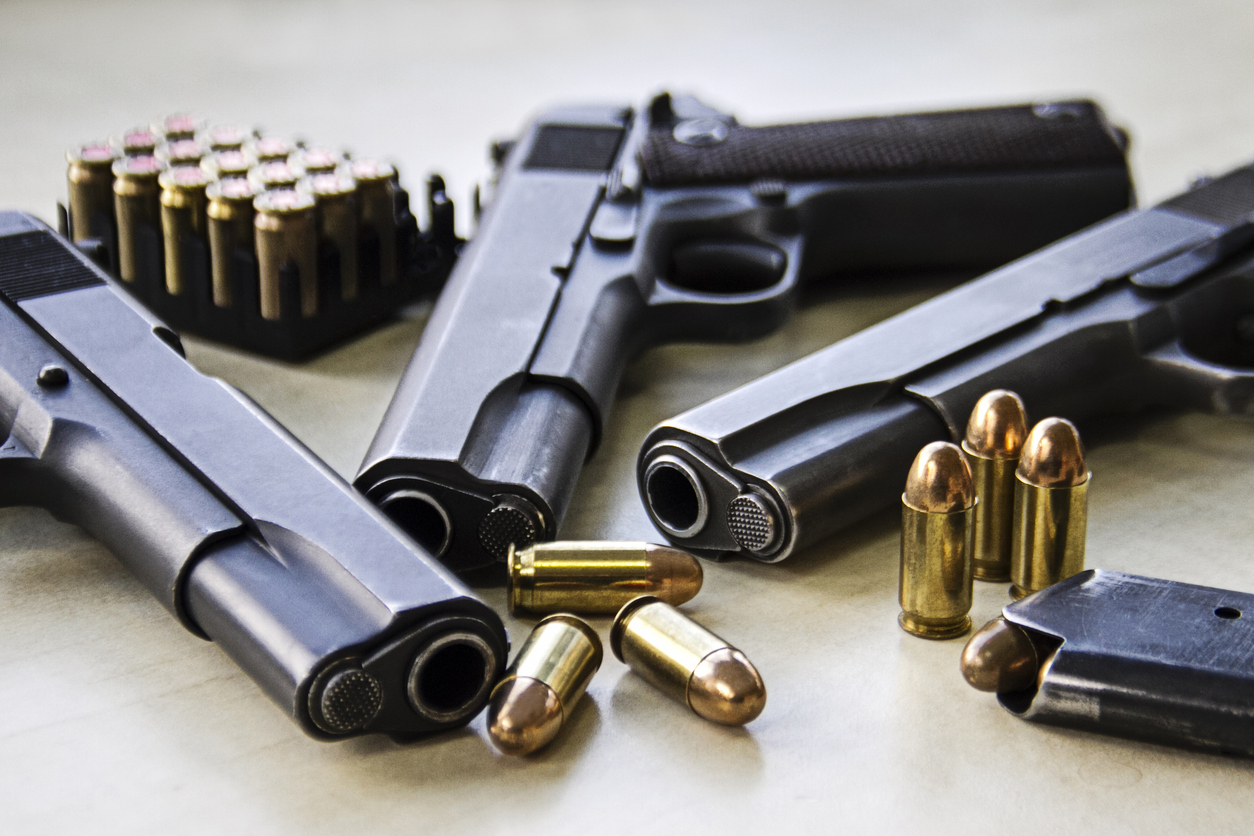
It is important to note that firearms and certain weapons are heavily restricted under Nigerian law and require special licensing.
Legal Considerations for Civilian Defence Equipment
Understanding the legal framework is essential when sourcing or using defence gear in Nigeria. The Firearms Act and related regulations strictly control the possession of weapons, including firearms, ammunition, and certain tactical equipment.
For civilians:
- Firearms: Require police permits and are rarely granted outside specific categories
- Pepper spray and tasers: May be restricted depending on classification and use
- Surveillance tools: Must comply with privacy and data protection laws
Businesses importing or distributing defence-related products must also comply with customs regulations, product classification rules, and documentation requirements.
Wigmore Trading supports companies by ensuring all imports meet Nigerian regulatory standards, helping to avoid delays, penalties, or confiscation.
Types of Defence Gear Suitable for Civilian Use
Personal Safety Devices
Compact and easy to use, personal alarms emit loud sounds to deter attackers and attract attention. These are widely accepted and pose minimal regulatory concerns.
Tactical Lighting Tools
High-lumen flashlights can temporarily disorient threats and improve visibility in low-light environments. Many models also include emergency features such as strobe modes.
Protective Wear
Reinforced gloves, discreet protective vests, and anti-cut clothing are increasingly used by logistics workers, security personnel, and field operators.
Surveillance and Monitoring Systems
CCTV cameras, motion detectors, and smart access systems are essential for both residential and commercial security. These tools are widely used across Nigeria and are fully legal when deployed responsibly.
Challenges in Sourcing Defence Gear in Nigeria
Regulatory Uncertainty
Importers often face confusion regarding which products are permitted. Misclassification can lead to shipment delays or seizure at ports.
Quality Control Issues
Low-quality or counterfeit safety products can fail when needed most, posing serious risks to users.
Supply Chain Constraints
Delays in customs clearance, inconsistent supplier reliability, and fluctuating import costs can disrupt availability.
How Wigmore Trading Supports Safe and Compliant Sourcing
Wigmore Trading provides end-to-end support for businesses looking to source defence gear for civilians in Nigeria responsibly and efficiently.
Key services include:
- Product sourcing: Identifying reliable international manufacturers of compliant safety equipment
- Import documentation: Managing customs paperwork and regulatory approvals
- Logistics coordination: Ensuring timely delivery through established freight networks
- Quality assurance: Verifying product standards before shipment
For organisations in sectors such as logistics, retail, and facilities management, this support helps maintain consistent access to essential safety tools without regulatory risk.
Best Practices for Using Civilian Defence Gear
To maximise effectiveness and ensure compliance:
- Always verify whether a product is legally permitted before purchase
- Train staff or users on proper usage
- Avoid misuse or carrying restricted items without authorization
- Combine personal defence tools with broader security measures such as surveillance and access control
Conclusion
The demand for defence gear for civilians in Nigeria reflects a growing focus on personal and operational safety. While there are viable, legal options available, navigating regulations and sourcing reliable products requires careful planning.
Businesses and individuals must prioritise compliance, quality, and responsible use when selecting defence equipment. With the right sourcing and logistics partner, it becomes significantly easier to access approved safety solutions without unnecessary risk.
Wigmore Trading can help. Contact Wigmore Trading today to streamline your sourcing.

Comments are closed.