
Who Can Own a Gun in Nigeria? Legal Requirements and Key Considerations

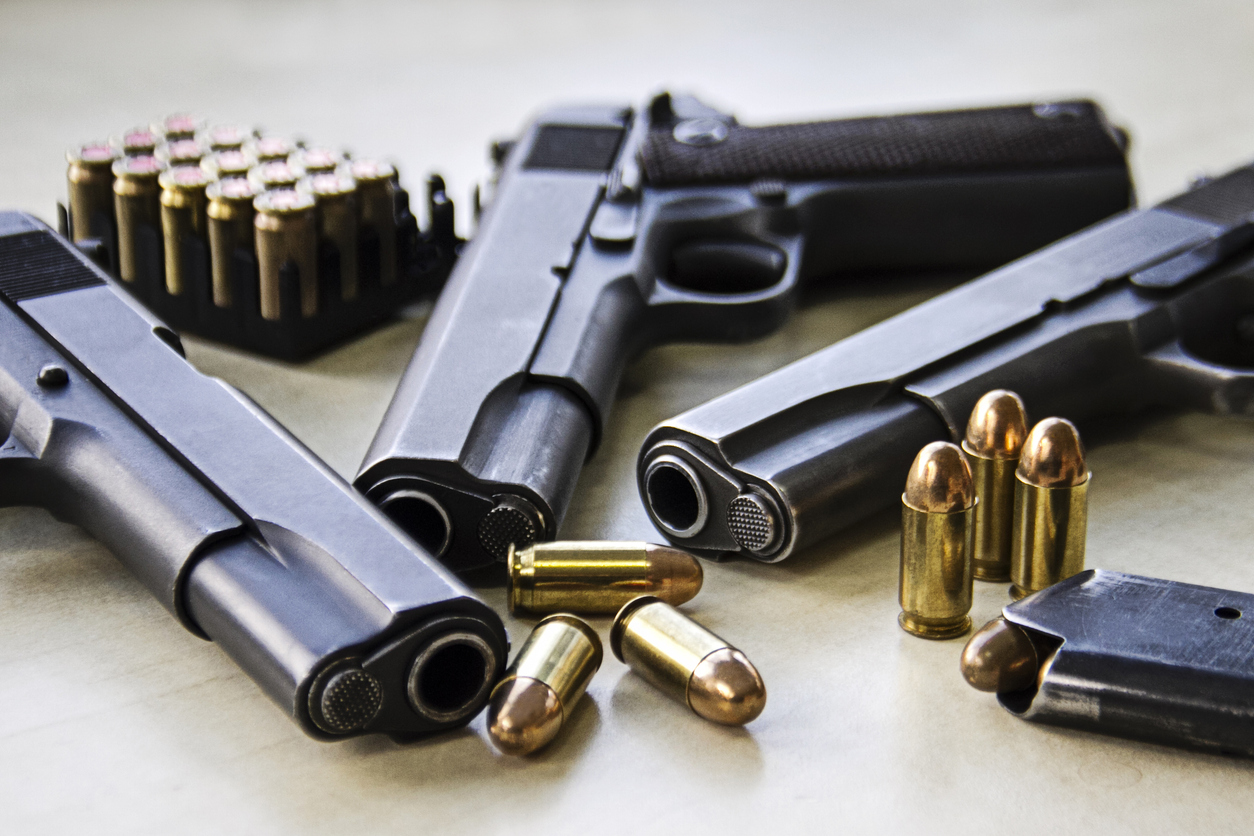
Firearm ownership in Nigeria is strictly regulated under national law. For businesses involved in logistics, security, or high-value goods distribution, understanding these regulations is essential for compliance and risk management. This article explains who can own a gun in Nigeria, the legal framework, and what organisations should consider when operating in regulated environments.
Understanding Gun Ownership Laws in Nigeria
Nigeria’s firearm regulations are governed primarily by the Firearms Act (Cap F28, Laws of the Federation of Nigeria). The law places tight controls on the possession, licensing, and use of firearms to maintain public safety.
In general, private gun ownership is not a right but a privilege granted under strict conditions. Individuals and organisations must obtain proper licensing from the Nigeria Police Force (NPF), which acts as the primary regulatory authority.
Who Can Own a Gun in Nigeria?
The question of who can own a gun in Nigeria depends on meeting several legal and administrative criteria. Firearm licenses are typically granted to:
1. Individuals with Valid Justification
Applicants must demonstrate a legitimate reason for owning a firearm. Common justifications include:
- Personal protection in high-risk environments
- Professional security roles
- Agricultural use (e.g., pest control in rural areas)
Self-defence alone is not always sufficient; authorities assess each application carefully.
2. Applicants Who Meet Eligibility Requirements
To qualify, individuals must:
- Be at least 18 years old (often higher in practice depending on firearm type)
- Have no criminal record
- Be of sound mental health
- Provide verifiable identification and background information
The Nigeria Police conduct background checks before granting approval.
3. Licensed Security Personnel and Organisations
Corporate entities, particularly those involved in security services, logistics, and high-value goods transportation, may apply for firearm permits for operational use. However:
- Only approved security companies can deploy armed personnel
- Firearms remain under strict regulatory supervision
- Usage is limited to authorised duties
For companies operating in import/export or distribution, engaging licensed security providers is often more practical than seeking direct ownership.
Types of Firearms Permitted
Civilian access to firearms in Nigeria is highly restricted. Generally permitted firearms include:
- Shotguns (pump-action or double-barrel)
- Hunting rifles (in limited cases)
Prohibited firearms include:
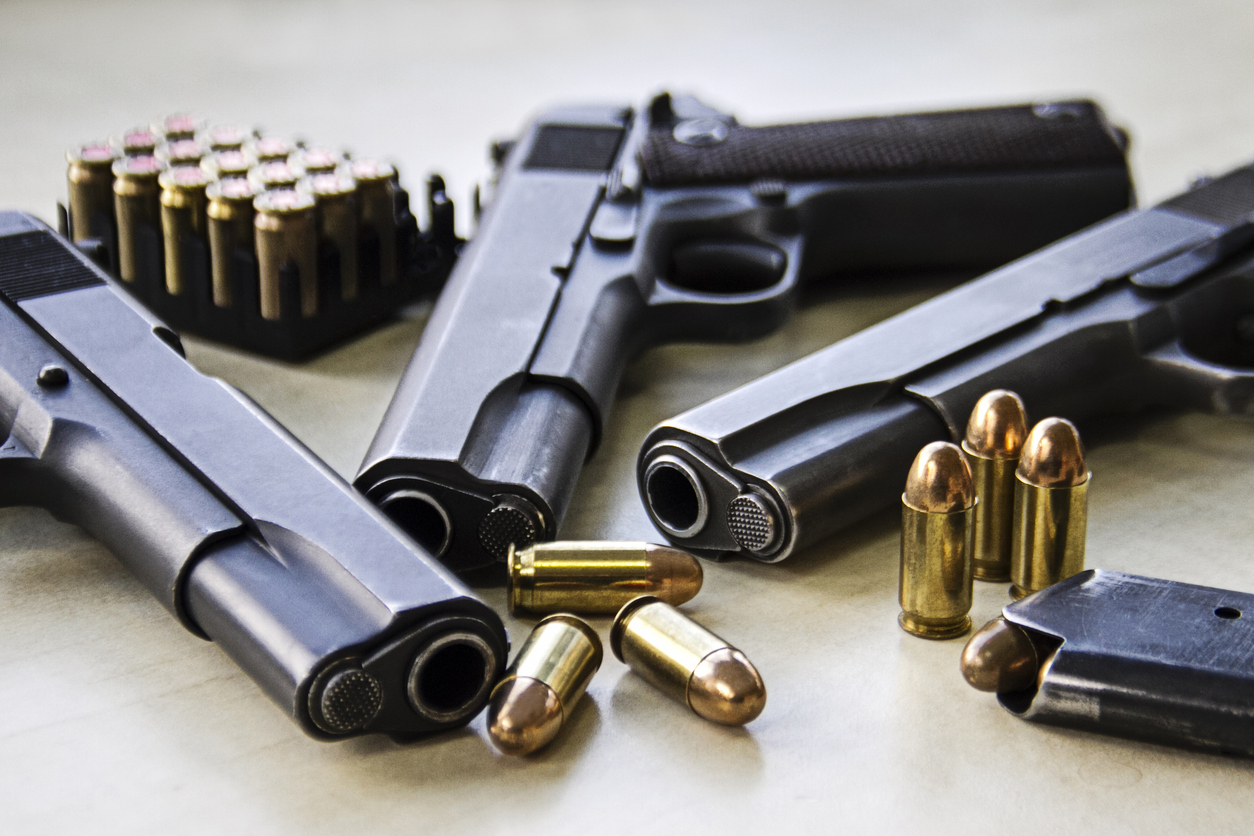
- Automatic and semi-automatic weapons
- Military-grade firearms
- Concealed or improvised weapons
Licenses specify the exact type of firearm allowed, and deviation from approved use can result in severe penalties.
The Gun Licensing Process
Obtaining a firearm license involves multiple steps:
- Application Submission
Submit a formal request to the Commissioner of Police in your state. - Background Investigation
Authorities conduct security checks, including criminal and mental health assessments. - Approval and Licensing
If approved, a license is issued specifying the firearm type and conditions of use. - Renewal and Monitoring
Licenses must be renewed periodically, and holders are subject to ongoing oversight.
Failure to comply with licensing conditions can lead to revocation, fines, or prosecution.
Compliance Challenges for Businesses
For companies in logistics, FMCG distribution, or import/export, firearm regulations can present operational challenges:
- Transporting high-value goods across regions with security risks
- Ensuring compliance with local and federal regulations
- Managing third-party security providers
Non-compliance can result in legal penalties, reputational damage, and disruption to supply chains.
Practical Solutions for Secure Operations
Rather than navigating firearm ownership directly, many businesses adopt alternative strategies:
Partnering with Licensed Security Providers
Working with approved security firms ensures:
- Compliance with firearm regulations
- Access to trained personnel
- Reduced administrative burden
Strengthening Supply Chain Security
Businesses can also invest in:
- Route planning and risk assessment
- Warehouse security systems
- Real-time shipment tracking
Leveraging Experienced Trade Partners
Companies operating across African markets benefit from partners who understand both logistics and regulatory frameworks.
Wigmore Trading supports businesses by helping coordinate secure logistics, compliant distribution, and reliable sourcing networks. This reduces exposure to regulatory risks while maintaining efficient operations.
Key Takeaways
Understanding who can own a gun in Nigeria is critical for individuals and organisations alike. Firearm ownership is tightly controlled, requiring:
- Valid justification
- Police-issued licensing
- Ongoing compliance with regulations
For most businesses, especially in trade and distribution, working with licensed security providers and experienced logistics partners is the most practical and compliant approach.
Conclusion
Nigeria’s firearm laws are designed to prioritise public safety through strict control and oversight. While limited ownership is permitted under specific conditions, the process is complex and highly regulated.
For companies navigating security concerns in supply chains or distribution networks, adopting compliant alternatives is essential for sustainable operations.
Wigmore Trading can help. Contact Wigmore Trading today to streamline your sourcing and logistics while maintaining full regulatory compliance.

Comments are closed.