

Legal Firearm Nigeria Requirements: A Practical Guide for Importers and Businesses

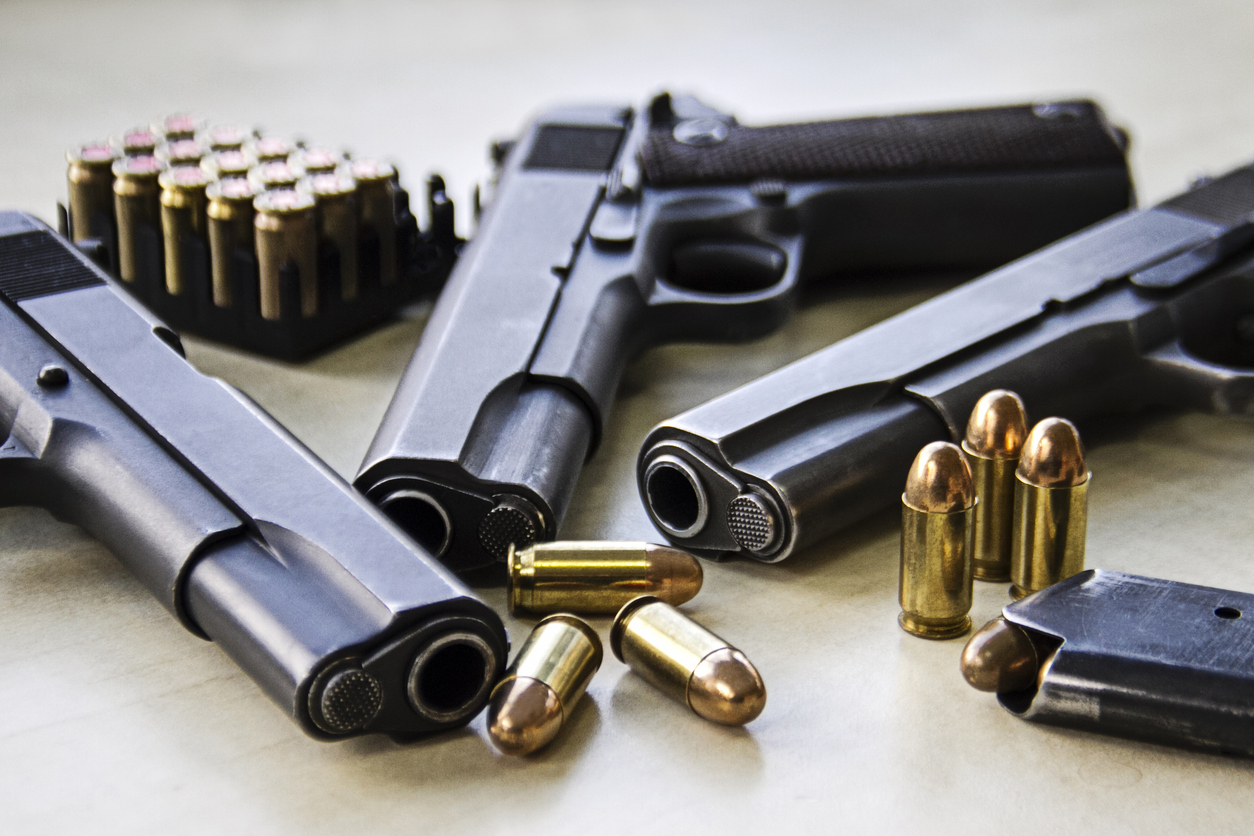
Understanding the legal firearm Nigeria requirements is essential for businesses involved in security services, logistics operations, or regulated imports. Nigeria maintains strict firearm control laws, and compliance is critical to avoid legal penalties, shipment seizures, or operational disruptions.
This guide explains the regulatory framework, licensing process, and key considerations for companies navigating firearm-related compliance in Nigeria.
Overview of Firearm Regulations in Nigeria
Firearms in Nigeria are regulated primarily under the Firearms Act (Cap F28, Laws of the Federation of Nigeria). The law governs the possession, licensing, importation, and use of firearms and ammunition.
Civilian access is highly restricted, and most categories of firearms—particularly automatic and military-grade weapons—are prohibited. Businesses must understand that firearm approval is granted only under tightly controlled conditions, typically for security purposes.
Legal Firearm Nigeria Requirements for Licensing
To legally possess a firearm in Nigeria, individuals or entities must obtain a license from the Inspector-General of Police (IGP). The process involves multiple layers of verification and approval.
Key Requirements Include:
- Formal Application: Submission of a written request stating the reason for firearm possession
- Background Checks: Security screening conducted by law enforcement agencies
- Proof of Need: Justification, often linked to security risks or operational necessity
- Medical Certification: Confirmation of mental and physical fitness
- Character References: Endorsements from credible individuals or institutions
For corporate entities, applications are typically tied to licensed security operations, and firearms are issued under strict supervision.
Importation Rules and Compliance
Import Permits and Documentation
Importing firearms into Nigeria is heavily regulated and requires:
- Import Permit from the Office of the National Security Adviser (ONSA)
- End-User Certificate (EUC) confirming the final recipient
- Police Clearance Approval
- Customs Documentation in line with Nigeria Customs Service regulations
Failure to obtain proper authorization can result in confiscation, fines, or criminal prosecution.
Restricted and Prohibited Items
Certain firearms and ammunition types are strictly prohibited, including:
- Automatic weapons
- Military-grade arms
- Explosives and high-capacity magazines
Businesses must ensure that any imported items fall within permitted categories and align with approved licenses.
Challenges in Meeting Firearm Compliance Requirements
Regulatory Complexity
Navigating multiple regulatory bodies—Police, Customs, ONSA—can be time-consuming and complex. Each agency has distinct documentation and approval processes.
Delays in Approval
Licensing and import approvals often involve extended timelines due to security checks and bureaucratic procedures.
Risk of Non-Compliance
Errors in documentation, misclassification of goods, or lack of proper permits can lead to:
- Shipment delays or seizures
- Financial losses
- Legal liabilities
How Businesses Can Manage Compliance Effectively
Engage Professional Support
Working with experienced trade and logistics partners helps ensure all documentation and approvals are correctly handled.
Maintain Accurate Records
Proper record-keeping of licenses, permits, and shipment details is essential for audits and renewals.
Stay Updated on Regulations
Firearm laws and import policies may change based on national security priorities. Businesses must monitor regulatory updates consistently.
How Wigmore Trading Supports Regulated Imports
For companies dealing with sensitive or controlled goods, compliance is not optional—it is critical to operations. Wigmore Trading supports businesses by providing:
- End-to-end import coordination, including documentation and customs clearance
- Regulatory guidance aligned with Nigerian laws and agency requirements
- Supply chain management solutions to minimise delays and risks
- Local expertise in navigating complex approval processes
By working with an experienced partner, businesses can reduce compliance risks and maintain operational continuity.
Conclusion
Understanding the legal firearm Nigeria requirements is essential for any business involved in regulated imports or security operations. From licensing to import approvals, the process requires strict adherence to national laws and coordination with multiple authorities.
With the right expertise and structured approach, businesses can navigate these requirements effectively while avoiding costly mistakes.
Wigmore Trading can help. Contact Wigmore Trading today to streamline your sourcing and compliance processes.

Comments are closed.