
Cost of Gun License in Nigeria: What Businesses and Individuals Should Know

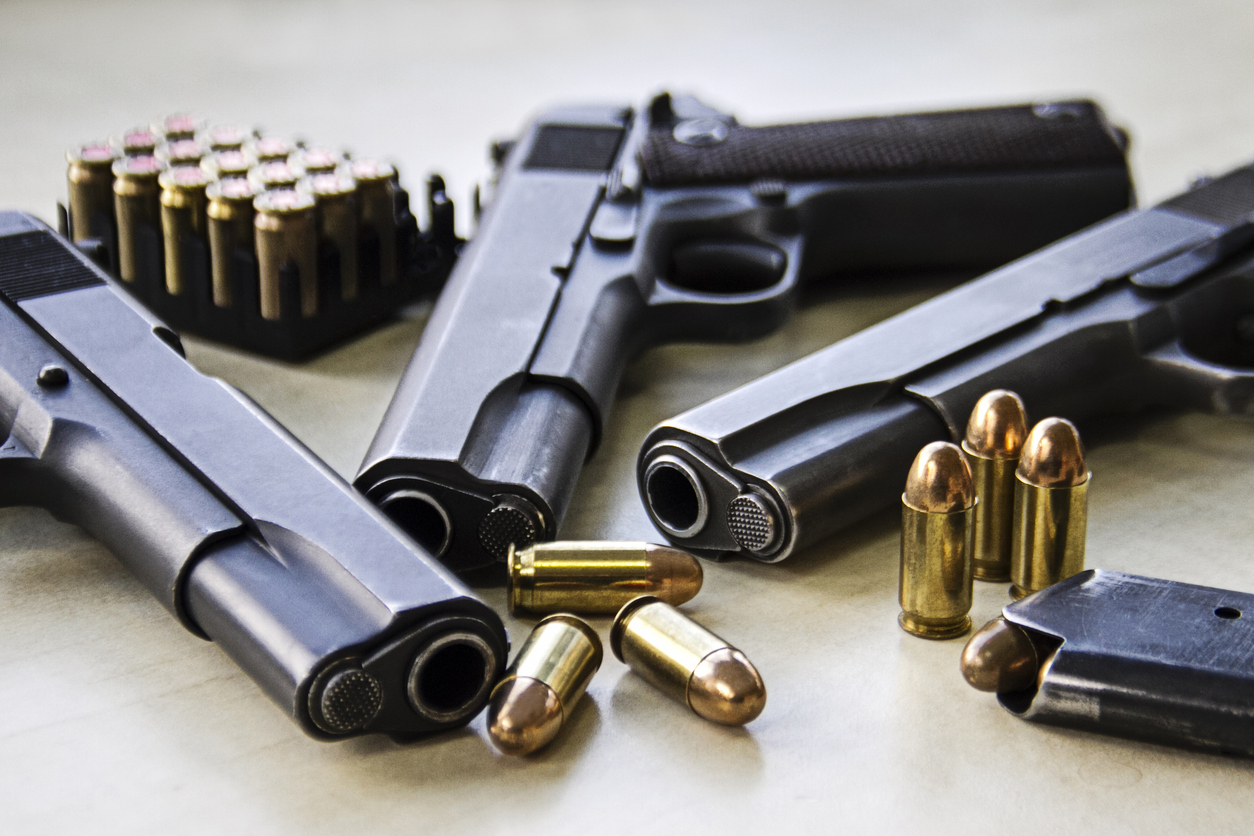
Obtaining a firearm licence in Nigeria is a regulated process overseen by law enforcement authorities. Whether for personal security, private security companies, or corporate risk management, understanding the cost of gun license in Nigeria and the associated requirements is essential for compliance and operational planning.
This article explains the current licensing structure, typical costs, and practical considerations for individuals and businesses operating in Nigeria.
Understanding Gun Licensing Laws in Nigeria
Firearm ownership in Nigeria is governed primarily by the Firearms Act. The law restricts access to certain categories of weapons and requires individuals or organisations to obtain approval from the Nigeria Police Force (NPF).
Licences are typically issued for:
- Shotguns (commonly approved for civilian use)
- Sporting firearms (under strict conditions)
- Corporate or security company use (subject to additional approvals)
Automatic and military-grade weapons are prohibited for civilian ownership.
Cost of Gun License in Nigeria Explained
The cost of gun license in Nigeria is not a single fixed figure. It varies depending on the type of firearm, applicant category, and administrative requirements. However, there are general cost components applicants should expect:
1. Official Licensing Fees
Government-approved fees typically range between:
- ₦10,000 to ₦50,000 for standard firearm licensing
- Renewals may cost less but still require administrative processing
These fees are subject to change and may vary depending on the issuing authority and location.
2. Application and Processing Costs
Applicants often incur additional costs for:
- Documentation and form processing
- Background checks and police verification
- Medical fitness certification
These can add another ₦20,000 to ₦100,000 depending on the complexity of the application.
3. Training and Certification
In some cases, applicants may be required to undergo firearm handling or safety training. Costs vary widely depending on the training provider but can range from:
- ₦50,000 to ₦150,000
4. Firearm Purchase Cost (Separate from Licence)
It is important to distinguish between the licence and the firearm itself. Approved firearms, such as pump-action shotguns, may cost:
- ₦300,000 to over ₦1,000,000 depending on specifications and sourcing channels
5. Renewal Costs
Gun licences in Nigeria are not permanent and must be renewed periodically. Renewal fees typically fall within:
- ₦10,000 to ₦30,000, excluding additional administrative costs
Application Process for a Gun License
The process for obtaining a firearm licence involves multiple steps:
- Submission of application to the Nigeria Police Force
- Background and criminal record checks
- Verification of reason for firearm ownership
- Inspection or recommendation from relevant authorities
- Final approval and issuance of licence
Processing times can vary significantly, often taking several weeks to months depending on administrative efficiency.
Challenges in Obtaining a Gun License
Despite clear regulations, applicants may face several challenges:
Regulatory Complexity
Navigating multiple approvals and documentation requirements can be time-consuming, especially for corporate applicants.
Cost Uncertainty
While official fees are defined, indirect costs such as documentation, compliance, and logistics can increase overall expenses.
Supply Chain and Import Restrictions
Firearms and related equipment are tightly controlled imports, requiring compliance with customs regulations and security approvals.
Practical Considerations for Businesses
For companies operating in sectors such as logistics, oil and gas, or FMCG distribution, security is often a critical concern. However, firearm licensing should be approached carefully:
- Ensure full legal compliance with Nigerian laws
- Work with licensed security firms where possible
- Maintain proper documentation and renewal schedules
- Consider alternative security solutions such as surveillance systems or professional guards
How Wigmore Trading Supports Compliance and Logistics
While Wigmore Trading does not facilitate firearm licensing directly, it plays a critical role in supporting businesses with compliant supply chain operations across Nigeria and West Africa.
For companies dealing with regulated goods or requiring secure logistics:
- Wigmore Trading assists with import documentation and regulatory compliance
- Provides reliable distribution networks across Nigeria
- Supports sourcing of compliant equipment and operational supplies
- Helps businesses navigate customs and administrative processes efficiently
This integrated approach reduces operational risk and ensures smoother business continuity in regulated environments.
Conclusion
The cost of gun license in Nigeria depends on several factors, including official fees, processing costs, training, and compliance requirements. While the financial cost is relatively manageable, the administrative process requires careful attention to legal and regulatory standards.
For businesses, firearm ownership should be considered alongside broader security strategies and compliance obligations. Proper planning and professional support can significantly reduce risks and delays.
Wigmore Trading can help. Contact Wigmore Trading today to streamline your sourcing and compliance processes.

Comments are closed.