
Types of Guns Allowed in Nigeria: Regulations, Compliance, and Legal Considerations

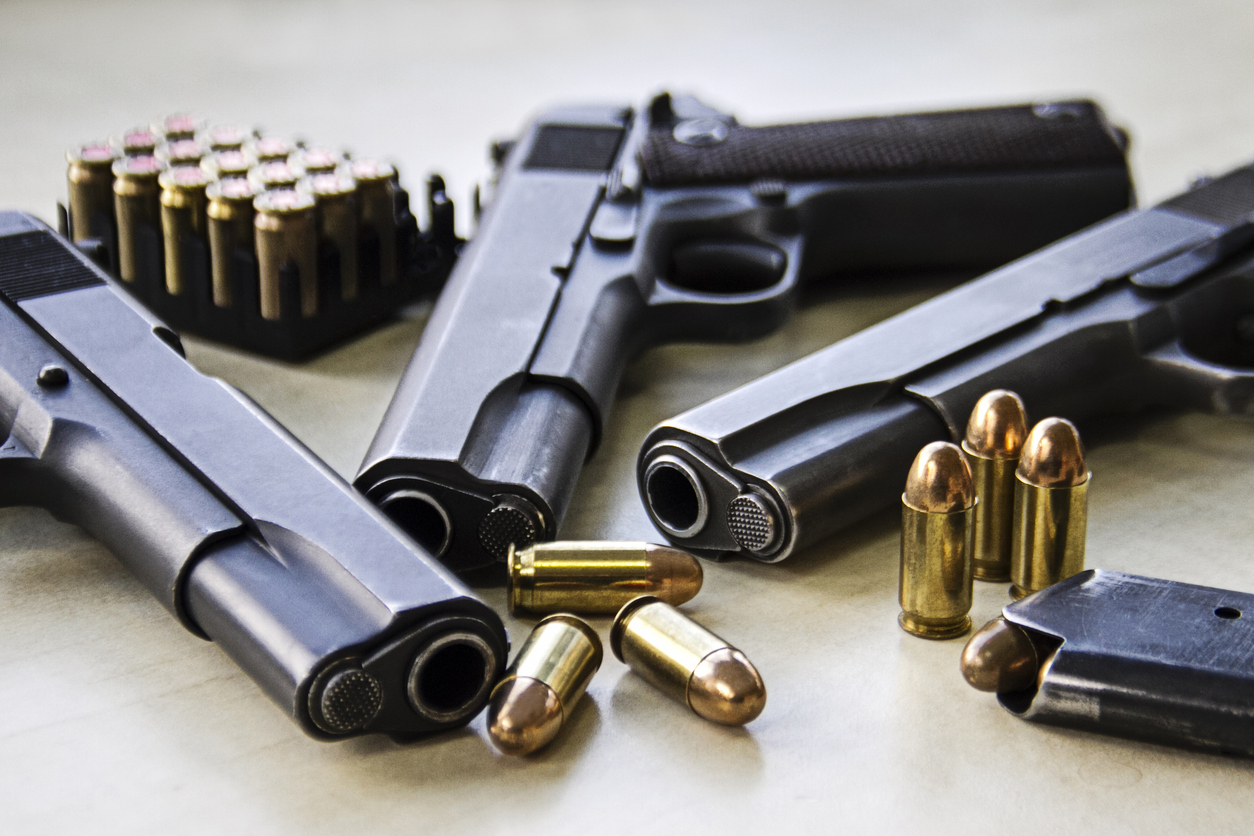
Nigeria maintains strict firearm regulations to control the possession, distribution, and use of weapons. For businesses operating in security, logistics, or import-related sectors, understanding these laws is essential for compliance and risk management. This article explains the types of guns allowed in Nigeria, the regulatory framework, and how organisations can navigate procurement and compliance responsibly.
Overview of Firearm Regulations in Nigeria
Firearm ownership and use in Nigeria are governed primarily by the Firearms Act and enforced by the Nigeria Police Force. The law is designed to limit access to weapons and ensure that only authorised individuals and organisations can possess specific categories of firearms.
In general, civilian access to firearms is highly restricted. Licences are required, and approval is granted only under strict conditions. Businesses involved in importation, distribution, or security services must adhere to these regulations to avoid legal penalties.
Types of Guns Allowed in Nigeria for Civilian Use
1. Shotguns (Limited Civilian Access)
Shotguns are among the few firearms that civilians may legally own in Nigeria, subject to licensing. These are typically:
- Double-barrel shotguns
- Pump-action shotguns (in restricted cases)
Licensing requirements include background checks, justification for ownership (such as hunting or personal security), and approval from the Inspector-General of Police.
Types of Guns Allowed in Nigeria for Security Agencies
2. Semi-Automatic Firearms (Restricted to Licensed Security Firms)
Private security companies may be authorised to use certain semi-automatic firearms, but only under strict regulatory oversight. These include:
- Pump-action shotguns
- Certain low-capacity semi-automatic rifles (rarely approved)
Approval depends on the nature of operations, threat level, and compliance with national security policies.
3. Military-Grade Weapons (Prohibited for Civilians)
Automatic weapons, assault rifles, and military-grade firearms are strictly prohibited for civilian and private sector use. These include:
- AK-47 rifles
- Machine guns
- Submachine guns
Such weapons are reserved exclusively for the military and authorised government agencies.
Licensing and Compliance Requirements
Obtaining a firearm licence in Nigeria involves several steps:
- Submission of an application through the Nigeria Police Force
- Background and criminal record checks
- Justification for firearm ownership
- Inspection and approval by relevant authorities
Licences are time-bound and must be renewed periodically. Non-compliance can result in confiscation, fines, or legal prosecution.
For companies involved in import/export or distribution, compliance extends beyond licensing. Importation of firearms or related equipment requires:
- Government permits and approvals
- Customs clearance documentation
- Adherence to international trade regulations
Challenges in Firearm Regulation and Distribution
Businesses operating in Nigeria often face challenges related to firearm regulations, including:
- Complex approval processes
- Delays in licensing and renewals
- Strict import restrictions
- High compliance costs
These challenges can impact security operations, especially for logistics companies, warehouses, and high-value cargo handlers.
Practical Solutions for Businesses
To manage these challenges effectively, companies should:
- Work with licensed and accredited security providers
- Maintain accurate compliance documentation
- Engage experienced import/export partners for regulated goods
- Stay updated on regulatory changes
For organisations operating across borders, understanding both Nigerian and international regulations is critical to avoid disruptions.
How Wigmore Trading Supports Compliance and Logistics
Navigating regulated industries such as firearms, security equipment, and controlled imports requires expertise in compliance and logistics. Wigmore Trading supports businesses by:
- Assisting with import documentation and customs processes
- Providing supply chain solutions for regulated goods
- Coordinating with licensed partners and authorities
- Ensuring adherence to local and international trade laws
This approach helps businesses reduce risk while maintaining operational efficiency in complex regulatory environments.
Conclusion
Understanding the types of guns allowed in Nigeria is essential for individuals and businesses operating in security-sensitive sectors. With strict regulations governing firearm ownership, licensing, and importation, compliance is not optional—it is a critical requirement.
By adopting structured processes and working with experienced trade and logistics partners, companies can navigate these regulations effectively while maintaining operational continuity.
Wigmore Trading can help. Contact Wigmore Trading today to streamline your sourcing.

Comments are closed.