

How to Obtain a Police Permit for Firearms in Nigeria: A Practical Guide for Businesses and Individuals


Operating within Nigeria’s legal and regulatory framework is essential for businesses and individuals handling controlled items such as firearms. Whether for private security, corporate protection, or specialised operations, understanding the process of obtaining a police permit for firearm in Nigeria is critical to ensure compliance and avoid legal risks.
This guide explains the requirements, procedures, and key considerations, while also highlighting how structured logistics and compliance support—such as services provided by Wigmore Trading—can simplify the process.
Understanding Firearm Regulations in Nigeria
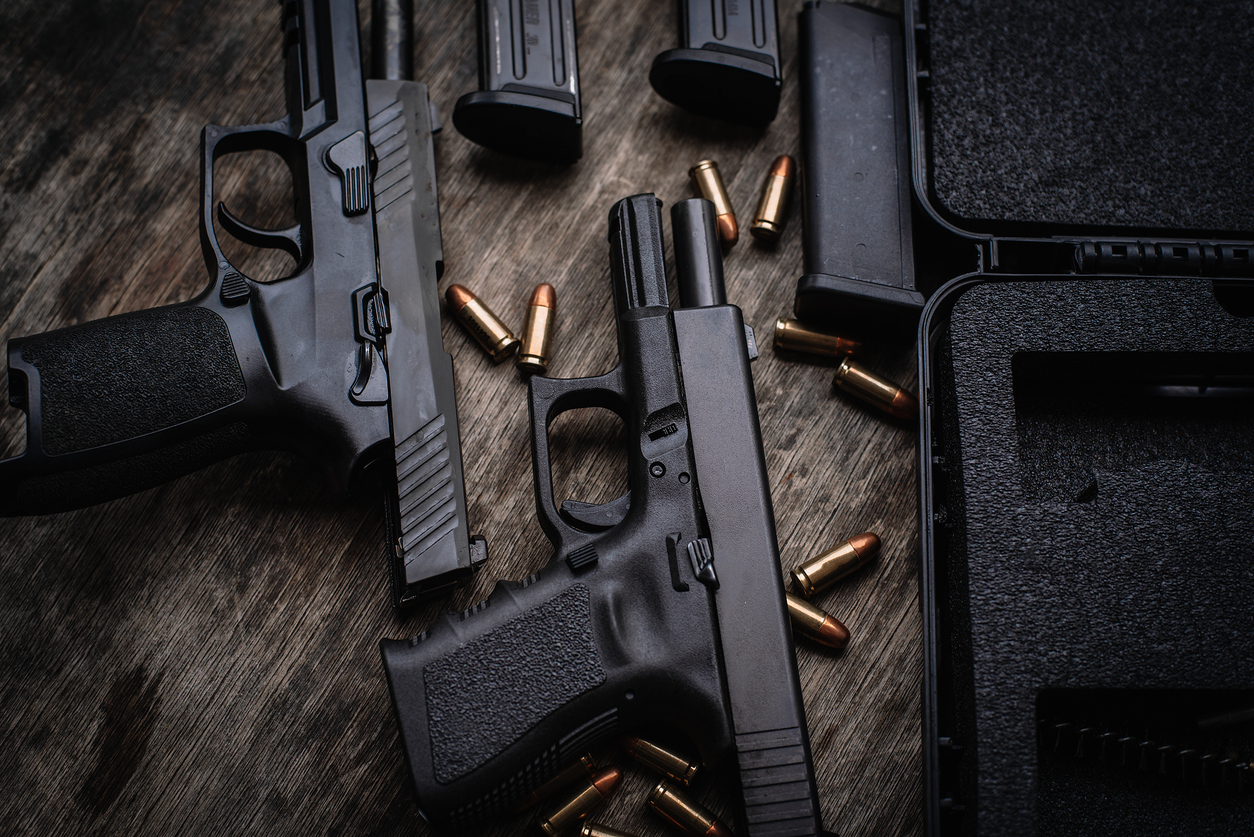
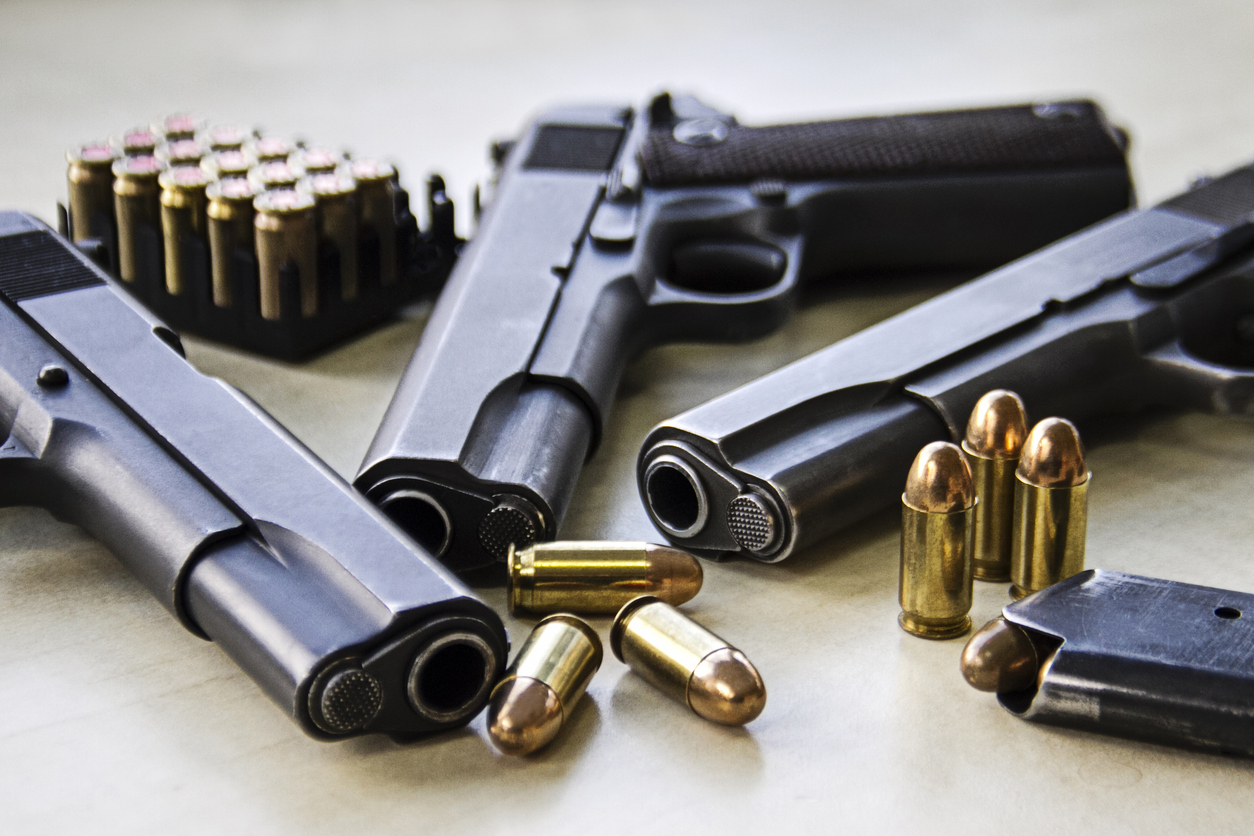
Firearm ownership in Nigeria is governed primarily by the Firearms Act and enforced by the Nigeria Police Force (NPF). The law strictly regulates the possession, importation, and use of firearms, limiting access to approved categories such as:
- Pump-action shotguns (with restrictions)
- Hunting rifles (under specific conditions)
- Firearms for licensed security operations
Automatic and military-grade weapons are prohibited for civilian use. Any individual or organisation seeking to possess a firearm must obtain a valid police permit.
Key Requirements for a Police Permit for Firearm in Nigeria
To apply for a firearm permit, applicants must meet several criteria. These requirements ensure that firearms are only issued to responsible and vetted individuals or organisations.
1. Valid Reason for Ownership
Applicants must provide a clear and justifiable reason, such as:
- Personal security concerns
- Corporate or industrial security needs
- Licensed security company operations
2. Background Checks and Documentation
The Nigeria Police conducts thorough background checks. Applicants are typically required to submit:
- Completed application forms
- Valid identification (National ID, passport, or driver’s licence)
- Passport photographs
- Evidence of occupation or business registration (for companies)
- Tax clearance (in some cases)
3. Medical and Character Assessment
Applicants may need to present:
- A medical fitness certificate
- A letter of good character from a recognised authority or community leader
4. Police Approval and Licensing
Final approval rests with the Inspector-General of Police or authorised representatives. Once approved, a firearm licence is issued, specifying the type and permitted use of the firearm.
Application Process: Step-by-Step
Obtaining a police permit for firearm in Nigeria involves several stages:
Step 1: Submission of Application
Applications are submitted through the appropriate police command or designated licensing unit.
Step 2: Verification and Screening
Authorities review documentation and conduct background checks. This stage may include interviews or site inspections for corporate applicants.
Step 3: Approval and Payment of Fees
Once approved, applicants are required to pay the prescribed licensing fees.
Step 4: Issuance of Permit
The firearm licence is issued, and the firearm must be registered with the police.
Compliance Challenges and Considerations
Navigating firearm regulations in Nigeria can present several challenges, particularly for businesses involved in importation, logistics, or security services.
Regulatory Complexity
Firearm laws are strict and subject to updates. Misinterpretation or non-compliance can lead to penalties, confiscation, or legal action.
Importation Restrictions
Importing firearms or related equipment requires additional approvals from relevant authorities, including customs clearance and end-user certification.
Documentation Delays
Incomplete or incorrect documentation can significantly delay approvals.
How Wigmore Trading Supports Compliance and Logistics
For businesses operating in regulated sectors, working with an experienced partner can reduce risk and improve efficiency.
Wigmore Trading supports clients through:
- Regulatory guidance: Helping businesses understand import/export laws and compliance requirements in Nigeria and across Africa
- Documentation management: Assisting with accurate preparation and submission of required paperwork
- Customs and logistics coordination: Ensuring smooth handling of shipments, including controlled goods where permitted
- Supply chain support: Providing end-to-end solutions for sourcing, distribution, and compliance
By integrating compliance into the supply chain, businesses can avoid disruptions and maintain operational continuity.
Best Practices for Maintaining Your Firearm Permit
Once a permit is issued, holders must adhere to ongoing responsibilities:
- Renew licences before expiration
- Store firearms securely and in accordance with police guidelines
- Avoid unauthorised use or transfer
- Notify authorities of any loss or theft
Failure to comply can result in revocation of the licence or legal consequences.
Conclusion
Obtaining a police permit for firearm in Nigeria requires careful attention to legal requirements, documentation, and regulatory procedures. While the process is structured to ensure public safety, it can be complex—especially for businesses managing security operations or regulated imports.
Working with experienced partners can simplify compliance and reduce delays. Wigmore Trading can help businesses navigate regulatory frameworks, manage logistics, and ensure smooth operations across Nigeria and the wider African market.
Contact Wigmore Trading today to streamline your sourcing and compliance processes.

Comments are closed.