

Firearm Registration in Nigeria: Legal Requirements for Businesses and Individuals

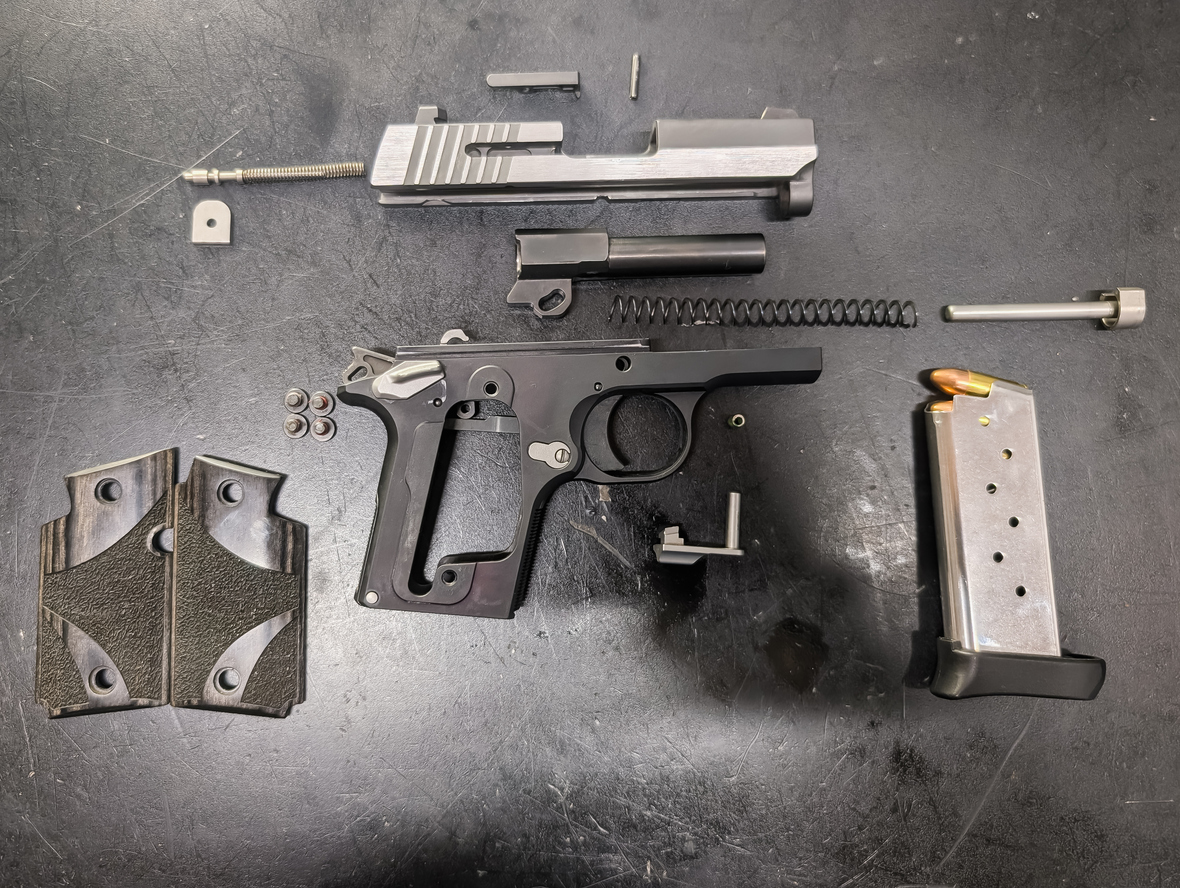
Firearm registration in Nigeria is tightly regulated under national law, reflecting the government’s focus on public safety and controlled access to weapons. For businesses involved in security services, logistics, or high-value goods transportation—as well as individuals seeking legal firearm ownership—understanding the regulatory framework is essential.
This guide explains the legal requirements, application process, and compliance considerations, while highlighting how structured supply chain and compliance partners like Wigmore Trading can support businesses operating in regulated environments.
Understanding Firearm Registration in Nigeria
Firearm registration in Nigeria is governed primarily by the Firearms Act and enforced by the Nigeria Police Force (NPF). The law restricts civilian access to certain categories of firearms and requires proper licensing, documentation, and approval before possession.
Only specific types of firearms—such as shotguns—may be legally licensed to civilians under strict conditions. Automatic and military-grade weapons are prohibited.
For businesses, particularly in sectors like private security, oil and gas logistics, and cash-in-transit services, compliance with firearm regulations is not optional. Failure to adhere to registration rules can lead to severe penalties, including fines, confiscation, or criminal prosecution.
Key Requirements for Firearm Registration in Nigeria
To legally own or operate a firearm, applicants must meet several criteria:
1. Eligibility Criteria
Applicants must:
- Be at least 18 years old
- Have no criminal record
- Provide valid identification
- Demonstrate a legitimate reason for firearm ownership (e.g., security operations)
2. Police Clearance and Background Check
The Nigeria Police conducts a detailed background check to verify the applicant’s suitability. This includes criminal history and community references.
3. Medical Fitness
Applicants are required to provide a medical report confirming mental and physical fitness to handle a firearm.
4. Application Submission
Applications are submitted through the Nigeria Police Force, often at state command headquarters. Documentation typically includes:
- Completed application forms
- Passport photographs
- Proof of address
- Supporting documents for business use (if applicable)
5. Inspection and Approval
Authorities may inspect storage facilities, particularly for businesses, to ensure firearms will be securely stored.
6. Licensing and Registration
Once approved, the firearm is registered, and a license is issued. This license must be renewed periodically.
Firearm Registration in Nigeria for Businesses
Businesses operating in high-risk sectors often require firearms for security personnel. However, corporate firearm registration involves additional layers of compliance:
- Registration must be tied to a licensed security company
- Firearms must be assigned to trained personnel
- Strict inventory and tracking systems are required
- Regular audits and renewals must be maintained
For companies involved in logistics, warehousing, or FMCG distribution—especially when transporting valuable goods—security risks are a real concern. However, firearm use must always align with legal frameworks.
Compliance Challenges in Regulated Environments
Operating within Nigeria’s firearm laws presents several challenges:
- Complex regulatory processes: Multiple approvals and documentation requirements
- Renewal and monitoring obligations: Licenses must be kept up to date
- Security infrastructure requirements: Proper storage and handling protocols
- Operational risk management: Balancing safety with legal compliance
Businesses that fail to manage these requirements effectively may face disruptions in operations, legal exposure, or reputational risk.
Practical Solutions for Businesses
To navigate these challenges, companies should adopt structured compliance and operational strategies:
Centralised Compliance Management
Maintain a dedicated compliance function to track firearm licenses, renewals, and regulatory updates.
Staff Training
Ensure all personnel handling firearms are properly trained and certified.
Secure Storage and Tracking
Implement controlled storage systems and maintain accurate firearm inventories.
Integrated Security Planning
Firearms should be part of a broader security strategy that includes surveillance, logistics planning, and risk assessment.
How Wigmore Trading Supports Regulated Operations
While Wigmore Trading does not deal in firearms, it plays a critical role in helping businesses operate efficiently within regulated environments.
For companies involved in import/export, wholesale distribution, and logistics, Wigmore Trading can support:
- Secure supply chain coordination for high-value goods
- Customs and regulatory compliance guidance
- Efficient logistics planning to reduce exposure to security risks
- Sourcing and distribution solutions that streamline operations
By improving supply chain visibility and efficiency, businesses can reduce reliance on high-risk transport scenarios and strengthen overall operational security.
Conclusion
Firearm registration in Nigeria is a strictly controlled process designed to ensure public safety and responsible usage. For individuals and businesses, compliance requires careful attention to legal requirements, documentation, and ongoing obligations.
For businesses in logistics, FMCG, and trade, the focus should not only be on compliance but also on reducing operational risks through better planning and supply chain management.
Wigmore Trading can help. Contact Wigmore Trading today to streamline your sourcing.

Comments are closed.