

Understanding the Conditions for Firearm Ownership in Nigeria

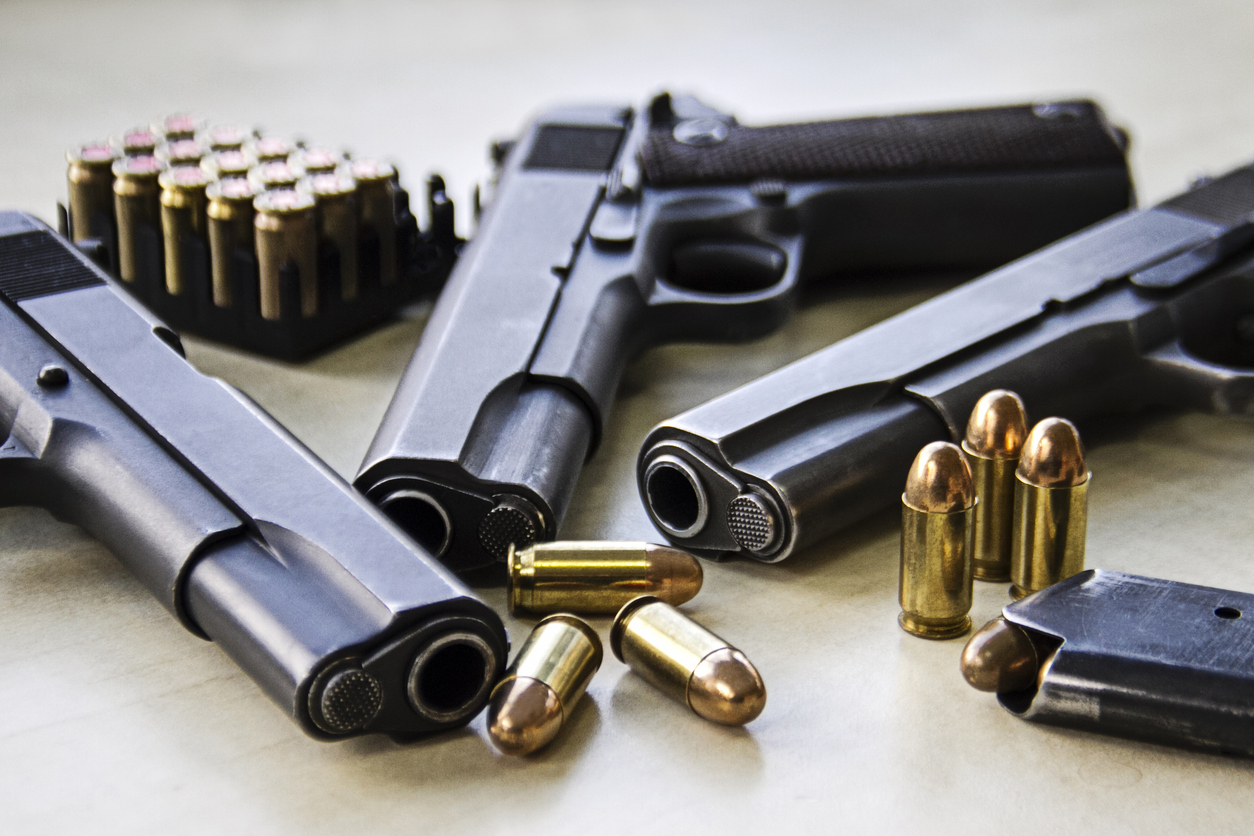
Firearm ownership in Nigeria is tightly regulated under national law, with strict controls designed to promote public safety and reduce misuse. For individuals and businesses operating in sectors such as logistics, security, and high-value goods distribution, understanding the conditions for firearm ownership in Nigeria is essential for compliance and risk management.
This article provides a clear, practical overview of the legal framework, application requirements, and operational considerations for lawful firearm possession in Nigeria.
Legal Framework Governing Firearm Ownership
Firearms in Nigeria are regulated primarily under the Firearms Act (Cap F28 Laws of the Federation of Nigeria) and related regulations enforced by the Nigeria Police Force (NPF).
The law places restrictions on:
- Types of firearms civilians can own
- Licensing procedures
- Use, storage, and transfer of firearms
Automatic and military-grade weapons are strictly prohibited for civilian ownership. Only limited categories of firearms, such as single-barrel shotguns, may be approved under controlled conditions.
Key Conditions for Firearm Ownership in Nigeria
To legally own a firearm, applicants must meet several mandatory conditions. These requirements are designed to ensure that only responsible individuals are granted access.
1. Valid Reason for Ownership
Applicants must demonstrate a legitimate need for a firearm. Acceptable reasons may include:
- Personal protection (in exceptional circumstances)
- Protection of business premises
- Security operations (typically for licensed security firms)
General self-defense claims without supporting evidence are unlikely to be approved.
2. Age and Citizenship Requirements
Applicants must:
- Be at least 17 years old (though practical approvals are typically granted to adults)
- Be a Nigerian citizen or have legal residency status
Proof of identity, such as a national ID card, passport, or driver’s license, is required.
3. Clean Criminal Record
A background check is a critical part of the approval process. Applicants must:
- Have no criminal convictions
- Not be under investigation for serious offences
- Be considered of “good character”
Security agencies conduct due diligence before granting approval.
4. Medical and Mental Fitness
Applicants may be required to provide:
- A medical certificate confirming physical fitness
- Evidence of mental stability
This ensures the applicant is capable of handling a firearm responsibly.
5. Police Licensing Approval
All firearm ownership must be approved by the Inspector-General of Police (IGP) through the Nigeria Police Force.
The process typically includes:
- Submission of a formal application
- Completion of background checks
- Payment of licensing fees
- Issuance of a firearm license (if approved)
Licenses must be renewed periodically, and failure to renew can result in penalties or confiscation.
Restrictions on Firearm Use and Storage
Owning a firearm does not grant unrestricted use. Nigerian law imposes strict controls on how firearms are handled.
Key restrictions include:
- Firearms must not be carried in public without authorization
- Use is limited to approved purposes only
- Safe storage is mandatory to prevent unauthorized access
Improper handling or misuse can lead to license revocation, fines, or criminal prosecution.
Business Implications for Logistics and Trade
For businesses involved in import/export, wholesale distribution, and FMCG operations, firearm ownership is rarely the primary security solution. Instead, companies often rely on:
- Licensed private security firms
- Secure warehousing and transport systems
- Compliance with insurance and risk management standards
Understanding the conditions for firearm ownership in Nigeria is still important, particularly for companies handling high-value goods or operating in higher-risk environments.
Alternatives to Firearm Ownership for Security
Given the strict regulatory environment, businesses are encouraged to adopt alternative security measures such as:
- GPS tracking and fleet monitoring
- Secure logistics planning
- Professional security personnel
- Risk assessments and compliance audits
These approaches are often more scalable and legally straightforward than pursuing firearm licenses.
Wigmore Trading supports businesses across Nigeria and West Africa by helping structure secure supply chains, manage logistics risks, and ensure compliance with local regulations. This reduces reliance on high-risk security measures while maintaining operational efficiency.
Compliance Challenges and Practical Solutions
Many applicants face challenges such as:
- Complex application procedures
- Delays in approvals
- Lack of clarity on eligibility
To navigate these issues:
- Work with compliance experts or legal advisors
- Ensure all documentation is complete and accurate
- Maintain transparent communication with authorities
For businesses, integrating compliance into broader supply chain planning is often the most effective strategy.
Conclusion
The conditions for firearm ownership in Nigeria are strict, clearly defined, and actively enforced. While individuals may apply under specific circumstances, businesses are generally better served by structured security systems and professional risk management approaches.
Understanding the legal framework helps avoid penalties, ensures compliance, and supports safer operations across industries.
Wigmore Trading can help. Contact Wigmore Trading today to streamline your sourcing and build a secure, compliant supply chain.


Comments are closed.