

How to Apply for a Firearm Permit in Nigeria: A Practical Guide

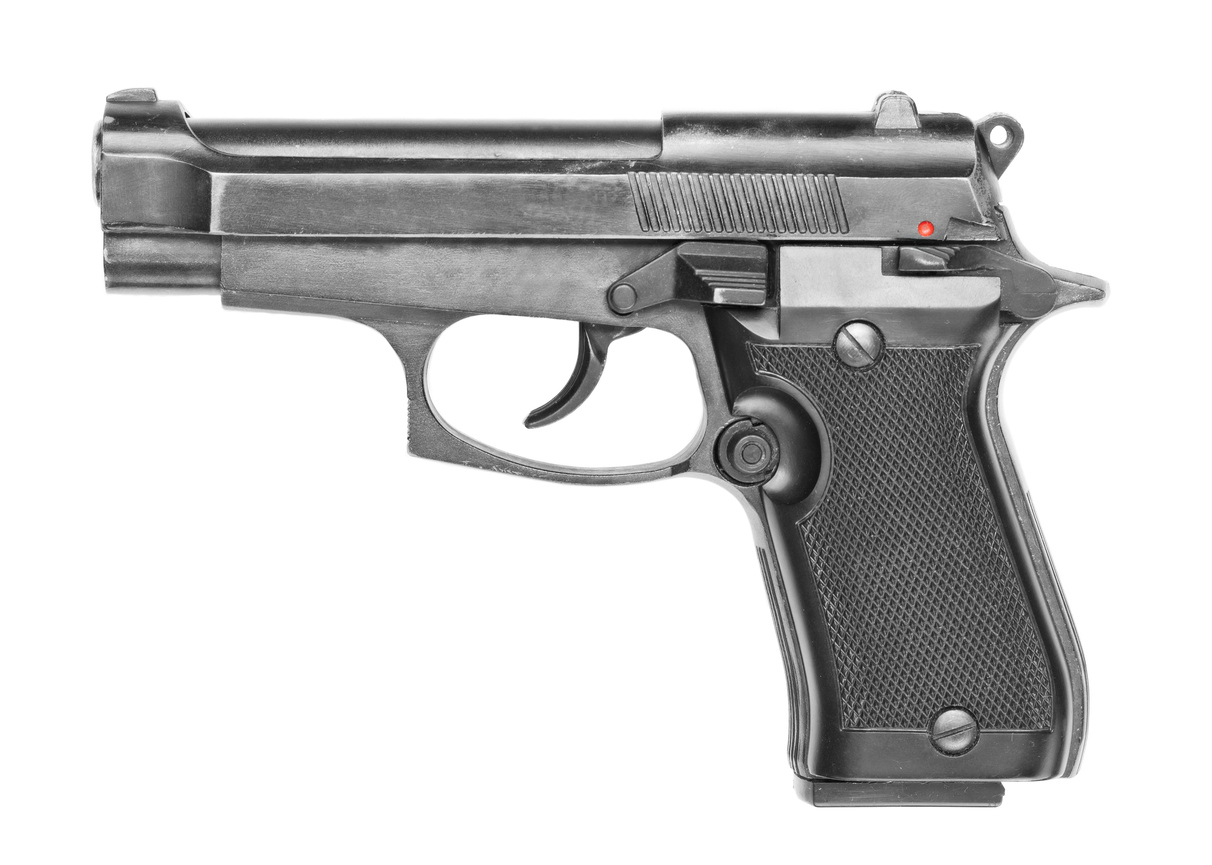
Obtaining a firearm permit in Nigeria is a highly regulated process governed by national security laws and overseen by the Nigeria Police Force. Whether for personal protection, professional use, or security operations, applicants must follow strict procedures and meet defined eligibility criteria.
For businesses involved in security services, logistics, or high-value goods transportation, understanding the application process is essential for compliance and operational continuity.
Understanding Firearm Regulations in Nigeria
Firearm ownership in Nigeria is controlled under the Firearms Act and administered by the Inspector General of Police through the Force Headquarters. Civilian access to firearms is limited, and permits are typically granted under specific conditions.
Approved firearms for civilian use are generally restricted to:
- Shotguns (commonly pump-action or double-barrel)
- Sporting rifles (in limited cases)
Automatic and military-grade weapons are prohibited for civilian ownership.
Who Can Apply for a Firearm Permit?
Not everyone qualifies for a firearm permit. Applicants must meet several conditions, including:
- Must be at least 21 years old
- Must have a clean criminal record
- Must demonstrate a valid reason (e.g., personal security, licensed security business)
- Must pass background and character checks
For companies—particularly those in logistics, cash handling, or private security—permits are often issued under corporate licensing arrangements rather than individual applications.
Step-by-Step: How to Apply for Firearm Permit in Nigeria
1. Obtain an Application Form
Applicants must visit the nearest State Police Command or the Force Headquarters in Abuja to request a firearm license application form. Some states may provide preliminary guidance online, but submission is typically physical.
2. Prepare Required Documentation
The application must be supported by several documents, including:
- Formal application letter addressed to the Commissioner of Police
- Valid means of identification (National ID, international passport, or driver’s license)
- Passport photographs
- Proof of residence
- Evidence supporting the need for a firearm (e.g., business registration, threat assessment)
- Medical fitness certificate
Businesses may also need to provide:
- Company registration documents (CAC)
- Operational licenses (for security firms)
- Staff records for designated firearm handlers
3. Background Checks and Screening
The Nigeria Police will conduct thorough background checks. This includes:
- Criminal record verification
- Character references
- Community or local authority validation
Applicants may also be invited for an interview to assess their suitability and understanding of firearm safety.
4. Firearm Training and Safety Certification
In many cases, applicants are required to undergo basic firearm handling and safety training. This ensures responsible usage and compliance with legal requirements.
Training may be conducted through approved institutions or under police supervision.
5. Approval and Issuance of Permit
If the application is successful, the permit will be issued by the Nigeria Police. The license will specify:
- Type of firearm approved
- Usage limitations
- Validity period
Permits are not indefinite and must be renewed periodically.
Compliance and Responsibilities
Holding a firearm permit comes with strict responsibilities. Permit holders must:
- Store firearms securely
- Use firearms only for approved purposes
- Renew licenses before expiration
- Report loss or theft immediately
Failure to comply can result in revocation of the permit and legal consequences.
Challenges in the Application Process
Applying for a firearm permit in Nigeria can present several challenges:
- Lengthy processing timelines
- Strict scrutiny and documentation requirements
- Limited transparency in approval criteria
For businesses operating across multiple regions or handling sensitive cargo, navigating these requirements can be complex.
How Wigmore Trading Supports Security and Compliance
For companies involved in import/export, logistics, and distribution, security planning is critical. While Wigmore Trading does not issue firearm permits, it supports businesses in reducing risk through:
- Secure supply chain coordination
- Reliable transportation and logistics solutions
- Compliance guidance for regulated goods
- Sourcing vetted security service providers
By strengthening operational security and compliance frameworks, businesses can reduce reliance on firearms while maintaining safety and efficiency.
Conclusion
Understanding how to apply for a firearm permit in Nigeria is essential for individuals and businesses requiring enhanced security. The process is detailed, regulated, and requires strict adherence to legal standards.
For companies operating in high-risk sectors, combining regulatory compliance with robust logistics and security planning is key to sustainable operations.
Wigmore Trading can help. Contact Wigmore Trading today to streamline your sourcing and supply chain security.


Comments are closed.