

Types of Guns Allowed in Nigeria: Legal Overview for Importers and Security Buyers

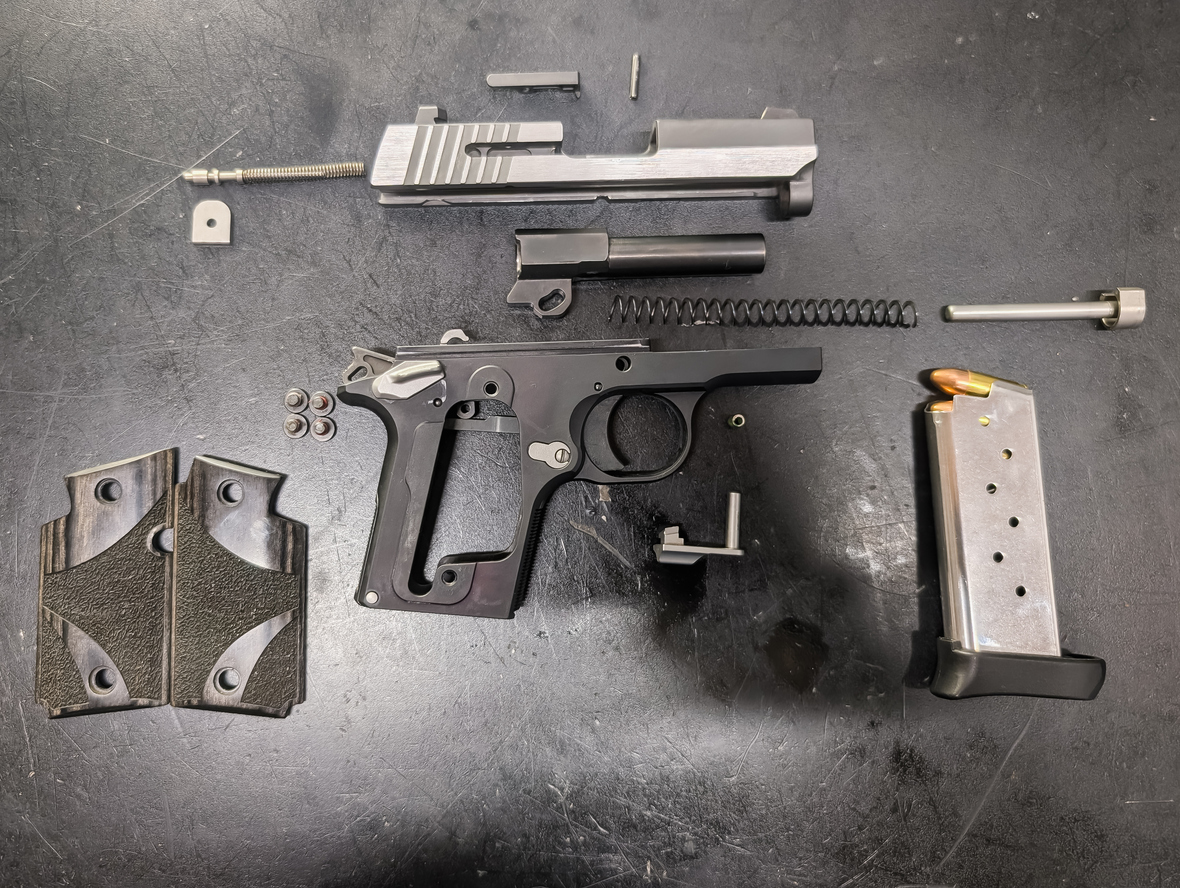
Understanding the types of guns allowed in Nigeria is essential for businesses operating in security, logistics, oil & gas, and high-value distribution sectors. Nigeria maintains strict firearms regulations, and compliance is critical for importers, corporate buyers, and security contractors.
This article provides a clear, practical overview of the legal framework, permitted firearm categories, and how businesses can navigate licensing, importation, and compliance requirements.
Nigeria’s Firearms Regulations: A Structured Framework
Firearms in Nigeria are regulated under the Firearms Act (Cap F28 Laws of the Federation of Nigeria) and enforced by the Nigeria Police Force. The law places tight controls on civilian possession, importation, and use of weapons.
In general, firearms are categorised into:
- Prohibited firearms
- Restricted firearms (controlled use)
- Permitted firearms (limited civilian access)
For businesses, especially those involved in logistics, private security, or asset protection, understanding these distinctions is essential before considering procurement or importation.
Types of Guns Allowed in Nigeria for Civilian Use
1. Shotguns (Licensed Use Only)
Shotguns are the most commonly approved firearms for civilian use in Nigeria, particularly:
- Single-barrel shotguns
- Double-barrel shotguns
These are typically permitted for:
- Licensed private security personnel
- Individuals with approved firearm licenses
- Agricultural or rural protection in limited cases
However, ownership is tightly controlled. Applicants must undergo background checks and obtain police approval.
2. Air Rifles (Restricted but Accessible)
Air rifles may be allowed under controlled conditions. They are generally considered lower-risk compared to other firearms but still require:
- Proper licensing in some jurisdictions
- Approval depending on intended use (e.g., sport or pest control)
Businesses should not assume unrestricted access, as enforcement varies and documentation is often required.
Firearms Not Allowed in Nigeria
Understanding prohibited categories is just as important when assessing the types of guns allowed in Nigeria.
The following are strictly banned for civilian possession:
- Automatic weapons (e.g., assault rifles such as AK-47s)
- Semi-automatic rifles and military-grade firearms
- Machine guns and submachine guns
- Concealable firearms without authorization (e.g., certain pistols)
These weapons are reserved exclusively for military and law enforcement agencies. Unauthorized possession carries severe legal penalties.
Licensing Requirements for Legal Firearm Ownership
To legally possess approved firearms in Nigeria, individuals or organisations must:
- Apply through the Nigeria Police Force
- Provide valid identification and background information
- Demonstrate a legitimate reason (e.g., security operations)
- Undergo security screening
- Obtain a firearm license certificate
Licenses must be renewed periodically, and firearms must be registered.
For corporate entities such as private security companies, additional approvals and operational licenses are required before firearms can be issued to personnel.
Importation and Compliance Considerations
Importing firearms into Nigeria is highly regulated and requires:
- Federal Government authorization
- End-user certificates
- Import permits from relevant authorities
- Strict customs clearance procedures
Improper documentation or unauthorized importation can lead to confiscation, fines, or prosecution.
This creates a significant compliance challenge for businesses sourcing security equipment internationally.
Supply Chain and Security Challenges for Businesses
Companies operating in high-risk environments often require security solutions but face several challenges:
- Complex regulatory approvals
- Delays in licensing and import permits
- Risk of non-compliance with evolving laws
- Limited clarity on permitted firearm categories
Additionally, improper handling of procurement can disrupt operations or expose businesses to legal risks.
How Wigmore Trading Supports Compliant Procurement
Navigating firearm regulations in Nigeria requires expertise in compliance, logistics, and government processes.
Wigmore Trading supports businesses by:
- Advising on compliant sourcing strategies
- Assisting with import documentation and regulatory approvals
- Managing customs clearance and logistics coordination
- Providing access to trusted, vetted suppliers
- Supporting broader security supply chains, including non-lethal equipment and operational materials
For many organisations, a structured approach to sourcing—combined with local regulatory knowledge—helps reduce delays and ensures full compliance with Nigerian law.
Conclusion
The types of guns allowed in Nigeria are limited and tightly controlled, with shotguns and certain air rifles forming the primary categories accessible under license. Businesses must carefully navigate licensing, importation rules, and compliance requirements to avoid legal risks.
Given the complexity of Nigeria’s regulatory environment, working with experienced partners can streamline procurement and ensure adherence to all legal standards.
Wigmore Trading can help. Contact Wigmore Trading today to streamline your sourcing.

Comments are closed.