

Import Tactical Gear Nigeria Requirements: A Practical Guide for Businesses

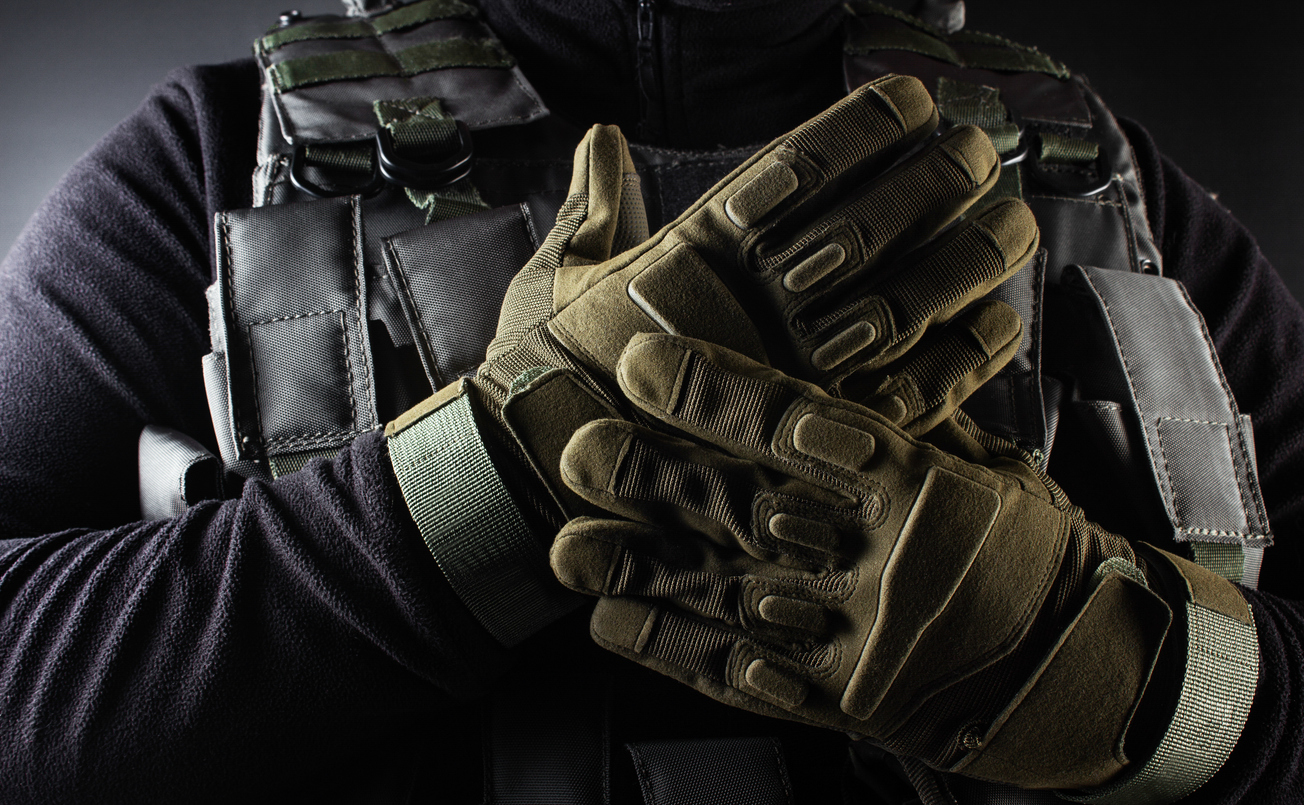
Importing tactical gear into Nigeria requires a clear understanding of regulatory frameworks, compliance procedures, and logistics considerations. Tactical equipment—ranging from protective clothing and boots to communication devices and load-bearing gear—is often subject to stricter controls due to its potential dual-use applications. Businesses must therefore approach sourcing and importation with precision to avoid delays, penalties, or confiscation.
This guide outlines the key import tactical gear Nigeria requirements, helping importers, distributors, and procurement managers navigate the process effectively.
Understanding Tactical Gear Classification in Nigeria
Before importing, it is essential to determine how your products are classified. In Nigeria, tactical gear may fall into different categories depending on its use:
- General-use items: Boots, gloves, backpacks, and non-restricted apparel
- Controlled items: Body armour, helmets, surveillance tools
- Restricted or prohibited goods: Military-grade weapons or equipment
The Nigerian Customs Service (NCS) and other regulatory bodies assess these classifications. Misclassification can result in shipment delays or seizure. Proper HS code identification is therefore critical when planning imports.
Regulatory Authorities Governing Tactical Imports
Several agencies oversee the importation of tactical gear:
- Nigerian Customs Service (NCS) – Handles import clearance and tariff enforcement
- Office of the National Security Adviser (ONSA) – May be involved in approvals for sensitive items
- Standards Organisation of Nigeria (SON) – Ensures product compliance with safety standards
- National Agency for Food and Drug Administration and Control (NAFDAC) – Only applicable if items have chemical components (e.g. protective sprays)
Understanding which authority applies to your specific goods is a key step in meeting import tactical gear Nigeria requirements.
Licensing and Permits for Tactical Gear Imports
Certain tactical items require import permits or end-user certificates. For example:
- Body armour and helmets may require security clearance
- Communication equipment may need approval from the Nigerian Communications Commission (NCC)
- Surveillance devices could require additional government authorization
Importers must obtain these documents before shipment. Failure to do so can lead to goods being held indefinitely at ports.
Working with an experienced trade partner like Wigmore Trading can help ensure all necessary documentation is secured in advance, reducing compliance risks.
Customs Duties and Import Documentation
To successfully import tactical gear into Nigeria, businesses must prepare standard documentation, including:
- Form M (processed through an authorized bank)
- Pre-Arrival Assessment Report (PAAR)
- Bill of Lading or Airway Bill
- Commercial Invoice and Packing List
- Import Duty Payment Confirmation
Customs duties vary depending on the product classification. Tactical gear may attract moderate to high tariffs, especially if considered specialized equipment.
Accurate documentation is essential. Errors can trigger inspections, fines, or delays, particularly for controlled goods.
Logistics and Supply Chain Considerations
Importing tactical gear involves more than regulatory compliance. Logistics planning plays a major role in cost efficiency and delivery timelines.
Key considerations include:
- Port selection: Lagos ports are the primary entry point but may experience congestion
- Freight mode: Air freight is faster for urgent shipments, while sea freight is more cost-effective for bulk imports
- Warehousing: Secure storage is often required for sensitive equipment
- Last-mile distribution: Must align with local regulations and security protocols
Wigmore Trading supports businesses with end-to-end logistics solutions, ensuring that tactical gear shipments move efficiently from origin to final destination.
Compliance Risks and How to Mitigate Them
Non-compliance with import tactical gear Nigeria requirements can result in:
- Shipment seizure
- Financial penalties
- Delays in customs clearance
- Reputational damage
To mitigate these risks:
- Conduct thorough product classification before import
- Secure all permits and approvals in advance
- Work with licensed customs clearing agents
- Maintain accurate and transparent documentation
Partnering with a reliable sourcing and logistics provider can significantly reduce these risks by ensuring compliance at every stage.
How Wigmore Trading Supports Tactical Gear Imports
Navigating Nigeria’s import regulations can be complex, particularly for controlled or sensitive goods like tactical equipment. Wigmore Trading provides practical support across the supply chain, including:
- Product sourcing from verified international suppliers
- Regulatory guidance on import requirements and permits
- Customs clearance coordination with licensed agents
- Logistics management from origin to delivery
- Distribution support within Nigeria and across West Africa
This integrated approach helps businesses maintain compliance while optimizing costs and delivery timelines.
Conclusion
Understanding and complying with import tactical gear Nigeria requirements is essential for any business involved in sourcing or distributing tactical equipment. From classification and permits to logistics and customs clearance, each step requires careful planning and regulatory awareness.
With the right processes and partners in place, businesses can successfully navigate these complexities and ensure smooth import operations.
Wigmore Trading can help. Contact Wigmore Trading today to streamline your sourcing.




Comments are closed.