

Import Weapons Nigeria Laws: Key Regulations for Businesses

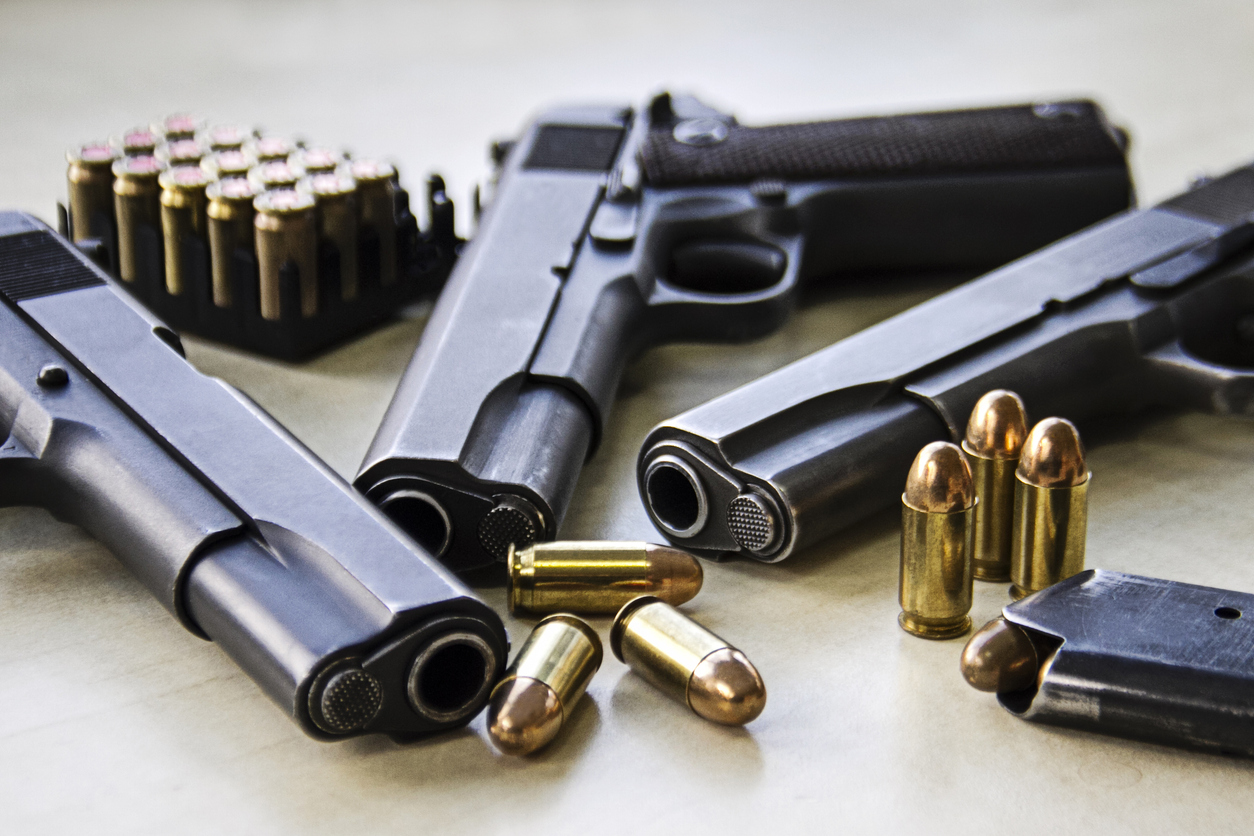
Understanding import weapons Nigeria laws is essential for any organisation involved in regulated goods, security equipment, or controlled logistics. Nigeria maintains strict legal frameworks governing the importation of firearms, ammunition, and related materials. These controls are designed to protect national security, prevent illicit trade, and ensure compliance with international standards.
For importers, distributors, and logistics providers, navigating these regulations requires careful planning, proper documentation, and collaboration with experienced partners.
Overview of Import Weapons Nigeria Laws
Nigeria classifies weapons and related equipment as highly controlled imports. The importation of firearms, ammunition, explosives, and certain security devices is regulated primarily by:
- The Firearms Act
- Nigerian Customs Service (NCS) regulations
- Office of the National Security Adviser (ONSA)
- Ministry of Interior licensing frameworks
Under these laws, the importation of weapons is generally restricted to authorised entities, such as government agencies, licensed security companies, and approved organisations. Private commercial importation without proper licensing is prohibited.
Licensing Requirements for Weapon Imports
To legally import controlled weapons into Nigeria, importers must obtain multiple approvals before shipment. These typically include:
- End-User Certificate (EUC): Issued by the Nigerian government confirming the final recipient and purpose
- Import Permit: Granted by relevant authorities such as the Ministry of Interior or ONSA
- Customs Clearance Documentation: Required by the Nigerian Customs Service upon arrival
Failure to secure these approvals in advance can result in seizure, penalties, or legal prosecution.
Businesses must also ensure that all documentation is accurate and consistent across shipping, customs, and regulatory filings.
Categories of Controlled Imports
When reviewing import weapons Nigeria laws, it is important to understand that controls extend beyond firearms. Regulated items may include:
- Firearms (pistols, rifles, shotguns)
- Ammunition and cartridges
- Explosives and detonators
- Military-grade equipment
- Certain tactical gear and surveillance devices
Some dual-use items—products with both civilian and security applications—may also require permits depending on their specifications.
Customs Procedures and Compliance
The Nigerian Customs Service plays a central role in enforcing import regulations. All shipments containing controlled items are subject to:
- Physical inspection
- Documentation verification
- Regulatory clearance checks
Importers must declare goods accurately using the correct HS codes and ensure that all permits are presented at the point of entry.
Delays often occur when documentation is incomplete or when there is a mismatch between declared goods and actual cargo. This highlights the importance of working with experienced logistics providers who understand compliance requirements.
Challenges in Navigating Import Weapons Nigeria Laws
Businesses involved in regulated imports often face several challenges:
Complex Approval Processes
Multiple agencies may be involved, leading to longer processing times and administrative complexity.
Strict Compliance Standards
Minor documentation errors can result in shipment delays or confiscation.
Regulatory Changes
Policies and enforcement practices may evolve, requiring continuous monitoring.
High Risk of Penalties
Non-compliance can lead to fines, loss of goods, or legal consequences.
These challenges make it critical for businesses to adopt structured compliance strategies and partner with knowledgeable intermediaries.
How Wigmore Trading Supports Compliance and Logistics
While the importation of weapons is tightly controlled, many businesses operate within adjacent sectors such as security equipment, industrial goods, and regulated imports. In these cases, having a reliable partner is essential.
Wigmore Trading supports businesses by:
- Assisting with documentation and compliance processes
- Coordinating customs clearance and logistics planning
- Providing guidance on import regulations and classification
- Managing supply chain risks for controlled or sensitive goods
By ensuring that shipments meet regulatory requirements before arrival, businesses can reduce delays and avoid costly disruptions.
Best Practices for Importers
To successfully navigate import weapons Nigeria laws, businesses should:
- Engage with regulatory authorities early in the process
- Verify all licensing requirements before procurement
- Maintain accurate and consistent documentation
- Work with experienced logistics and compliance partners
- Stay updated on regulatory changes and enforcement trends
These steps help ensure smooth operations and minimise compliance risks.
Conclusion
Import weapons Nigeria laws are designed to maintain national security and regulate the flow of controlled goods. For businesses operating in regulated sectors, strict adherence to licensing, documentation, and customs procedures is essential.
Given the complexity of the regulatory environment, working with experienced partners can significantly improve efficiency and compliance. Wigmore Trading can help. Contact Wigmore Trading today to streamline your sourcing.

Comments are closed.