

Understanding Customs Regulations for Weapons in Nigeria

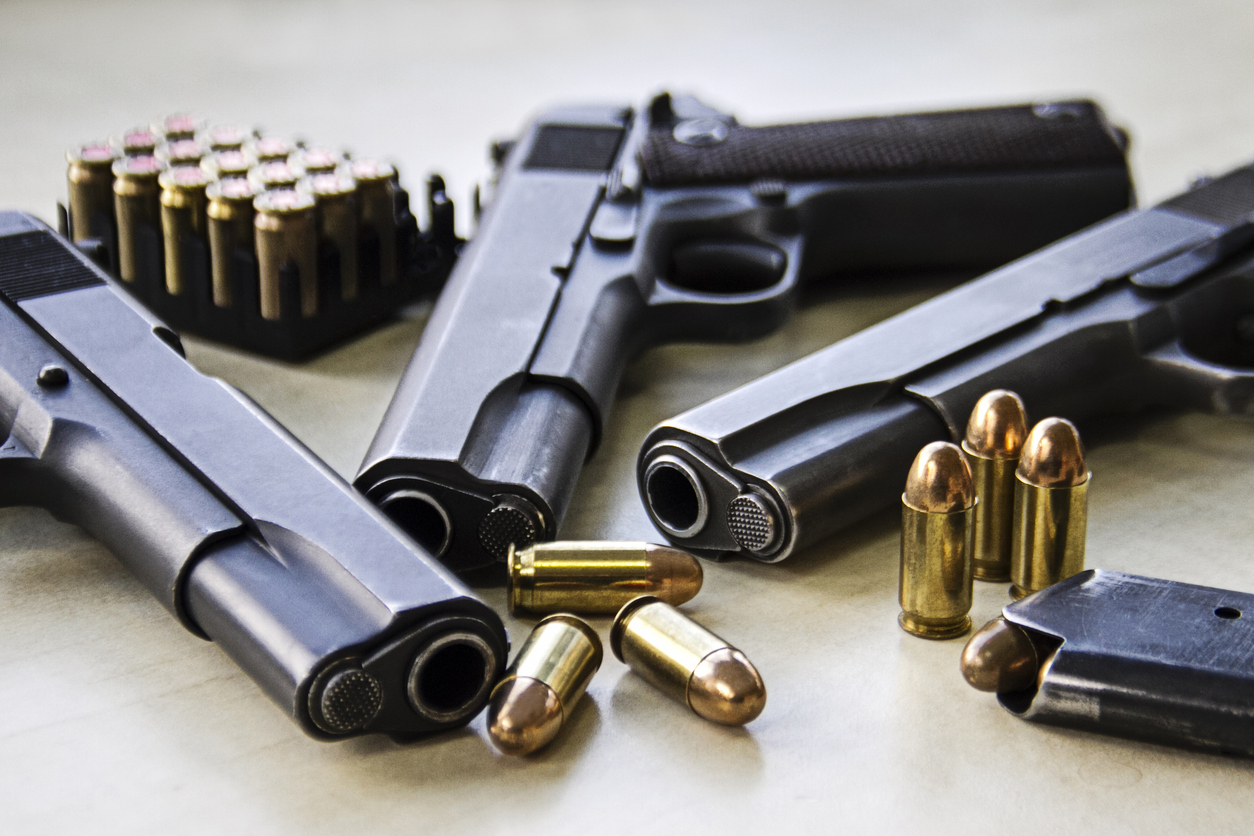
Importing or exporting controlled goods requires strict compliance with national laws, and weapons are among the most tightly regulated categories. Businesses operating in Nigeria or trading with Nigerian partners must understand the legal framework governing weapons to avoid severe penalties, shipment seizures, or reputational damage.
This article explains key customs regulations for weapons in Nigeria, outlines compliance requirements, and highlights how professional logistics support can simplify the process.
Overview of Customs Regulations for Weapons in Nigeria
Nigeria maintains strict controls over the importation, exportation, possession, and distribution of weapons. These regulations are enforced by multiple authorities, including:
- Nigeria Customs Service (NCS)
- Office of the National Security Adviser (ONSA)
- Nigerian Police Force (NPF)
- Ministry of Interior
Weapons are classified as prohibited or restricted items under Nigerian import laws. In most cases, private importation is not permitted unless authorised by the Federal Government.
Categories of Weapons Under Nigerian Law
Understanding classification is essential when dealing with customs procedures.
Prohibited Weapons
Certain weapons are completely banned from importation into Nigeria. These typically include:
- Military-grade firearms
- Automatic weapons
- Explosives and ammunition without government approval
- Improvised or unlicensed weapon systems
Attempting to import these items without explicit federal authorisation can result in confiscation, fines, and criminal prosecution.
Restricted Weapons
Some weapons may be imported under strict regulatory oversight. These include:
- Sporting firearms (e.g., hunting rifles, shotguns)
- Security-related equipment for licensed organisations
- Certain defensive tools approved for specific industries
Importers must obtain permits before shipment and ensure full compliance with documentation requirements.
Licensing and Permits: A Core Requirement
Government Approval Process
To import restricted weapons into Nigeria, businesses must secure multiple approvals:
- Import Permit from the Ministry of Interior
- End-User Certificate (EUC) confirming the final recipient
- Police Clearance for possession and use
- Customs Documentation for clearance at entry points
Each document must be accurate and aligned. Any discrepancies can delay clearance or lead to rejection.
Documentation Compliance
Customs authorities require detailed paperwork, including:
- Bill of lading or airway bill
- Commercial invoice
- Packing list
- Import permit and licences
- Proof of regulatory approvals
Incomplete or inconsistent documentation is one of the most common causes of delays in customs processing.
Customs Clearance Procedures for Weapons
Inspection and Verification
All weapon-related shipments are subject to rigorous inspection. Nigerian Customs may:
- Physically inspect cargo
- Verify documentation authenticity
- Cross-check permits with issuing authorities
This process ensures that only authorised shipments enter the country.
Duties and Charges
While many weapons fall under restricted or prohibited categories, applicable duties and levies may still apply for approved imports. Importers should work with experienced customs brokers to ensure correct tariff classification and valuation.
Compliance Challenges in Weapons Importation
Regulatory Complexity
The involvement of multiple agencies can make compliance difficult. Businesses must navigate overlapping requirements and approval processes.
Risk of Delays and Seizures
Failure to meet regulatory standards can result in:
- Shipment delays
- Cargo confiscation
- Financial penalties
- Legal consequences
Changing Policies
Regulations around weapons are subject to change due to security considerations. Staying updated is essential for compliance.
Best Practices for Businesses Handling Weapons Shipments
Conduct Thorough Due Diligence
Before initiating any shipment, confirm whether the goods are permitted, restricted, or prohibited under Nigerian law.
Work with Licensed Partners
Engage licensed importers, customs agents, and logistics providers who understand regulatory requirements and can manage documentation accurately.
Ensure End-Use Transparency
Authorities require clarity on how weapons will be used and who will use them. Proper documentation of end-use reduces the risk of rejection.
How Wigmore Trading Supports Compliance and Logistics
Navigating customs regulations for weapons in Nigeria requires expertise, precision, and strong regulatory knowledge. Wigmore Trading supports businesses by:
- Coordinating import documentation and compliance checks
- Managing customs clearance processes
- Providing guidance on regulatory requirements
- Facilitating secure and compliant logistics solutions
With experience in complex supply chains and regulated goods, Wigmore Trading helps reduce risks and ensures smoother import operations.
Conclusion
Nigeria’s strict customs regulations for weapons reflect the country’s focus on national security and controlled trade. Businesses must approach weapon importation with careful planning, full regulatory compliance, and professional support.
Understanding classification, securing the right permits, and maintaining accurate documentation are critical to successful clearance. Partnering with experienced logistics providers can significantly reduce operational challenges and ensure compliance with all legal requirements.
Wigmore Trading can help. Contact Wigmore Trading today to streamline your sourcing and logistics processes.

Comments are closed.