

Restricted Items Nigeria Import List: Understanding Weapons Regulations and Compliance

Importing goods into Nigeria requires strict adherence to national regulations, particularly when dealing with restricted or controlled items. Among the most sensitive categories are weapons and related materials. Businesses involved in international trade must clearly understand the restricted items Nigeria import list weapons category to avoid legal risks, shipment delays, or confiscation.
This article outlines key restrictions, compliance requirements, and how companies can manage import processes efficiently.
Overview of Nigeria’s Import Restrictions
Nigeria regulates imports through agencies such as the Nigeria Customs Service (NCS) and the Federal Ministry of Finance. Certain goods are classified as prohibited or restricted, meaning they either cannot be imported at all or require special permits.
Weapons and related equipment fall under highly controlled imports due to national security concerns. These restrictions are enforced to prevent illegal arms circulation and maintain public safety.
What Falls Under the Restricted Items Nigeria Import List Weapons Category?
The restricted items Nigeria import list weapons category typically includes:
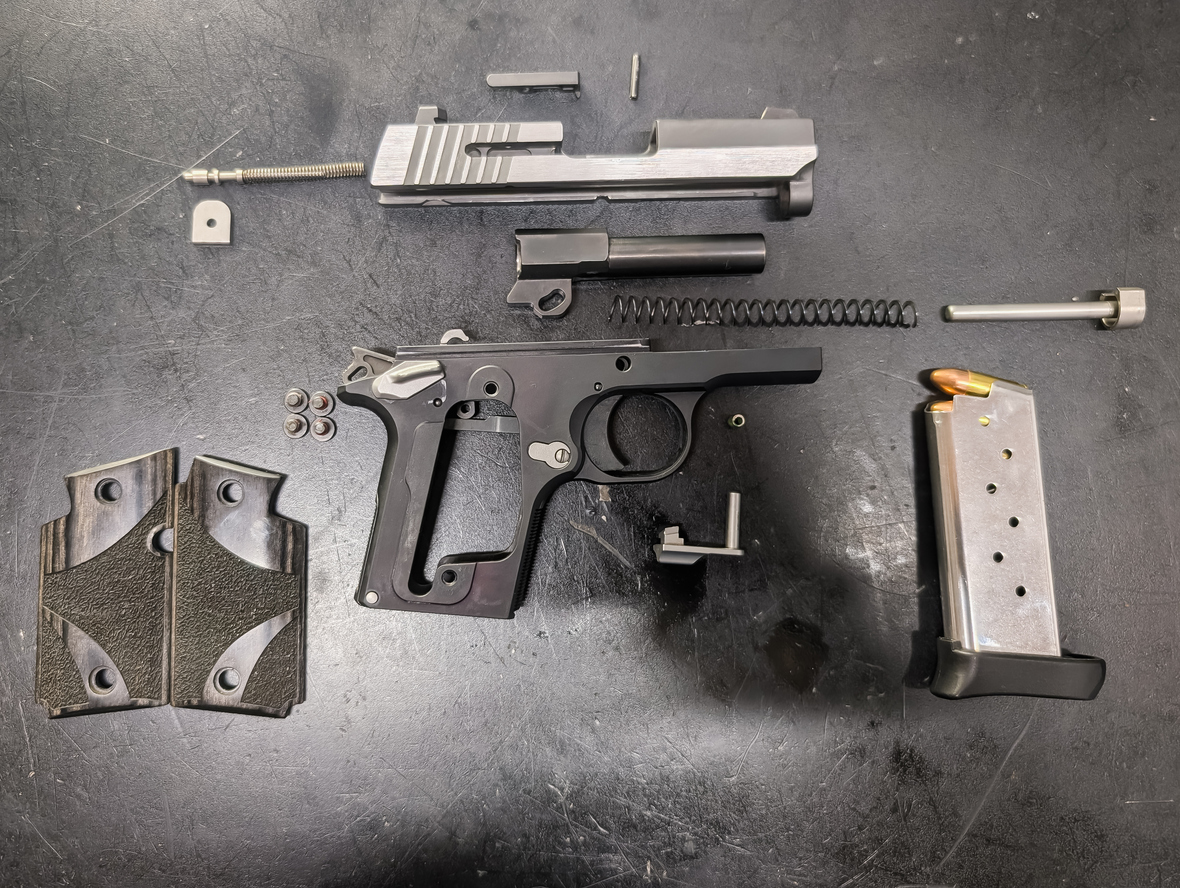
- Firearms (military and civilian)
- Ammunition and explosives
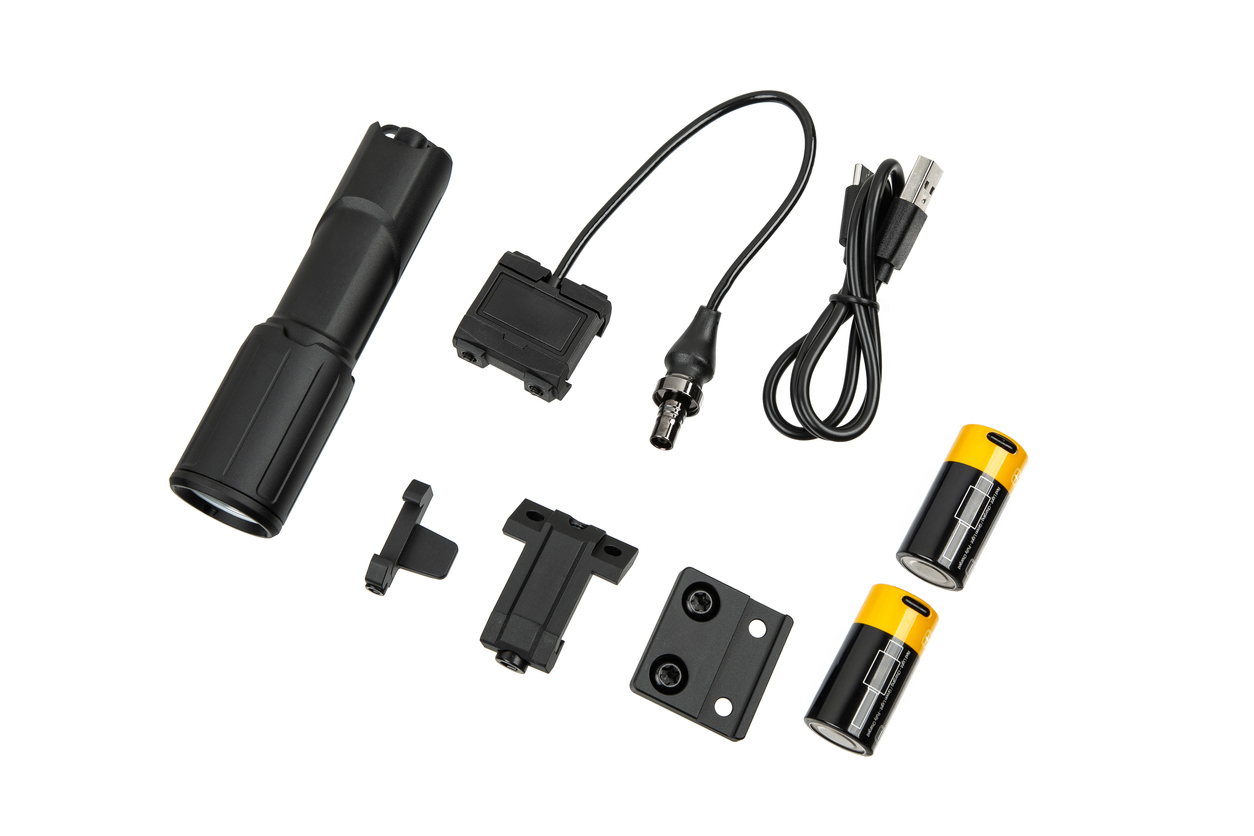
- Military-grade equipment and tactical gear
- Airguns and replicas in some cases
- Chemical weapons or hazardous defense materials
Importation of these items is not outright impossible, but it is tightly regulated. Only authorised entities such as government agencies, licensed security firms, or approved contractors may import them—and only with proper documentation.
Licensing and Approval Requirements
To legally import restricted weapons into Nigeria, importers must secure approvals from multiple authorities:
- End-User Certificate (EUC): Confirms the final recipient and intended use
- Import Permit: Issued by relevant government ministries
- Customs Clearance Documentation: Required for entry at ports
- Security Clearance: Often mandated by defence or intelligence agencies
Failure to obtain these approvals can lead to severe penalties, including seizure of goods, fines, or prosecution.
Compliance Challenges for Importers
Navigating the restricted items Nigeria import list weapons regulations can be complex. Common challenges include:
1. Regulatory Complexity
Policies can change, and requirements may vary depending on the type of weapon or equipment.
2. Documentation Delays
Incomplete or inaccurate paperwork often results in shipment delays at ports.
3. Risk of Non-Compliance
Unintentional violations can occur if importers are unfamiliar with Nigeria’s import laws.
4. Logistics and Handling Issues
Weapons require secure transportation, specialised handling, and strict chain-of-custody procedures.
Best Practices for Importing Restricted Items
Businesses dealing with controlled imports should adopt structured compliance strategies:
- Conduct Regulatory Checks: Verify current import restrictions before procurement
- Engage Licensed Partners: Work only with authorised suppliers and logistics providers
- Ensure Accurate Documentation: Double-check all permits and certificates
- Plan for Inspection: Be prepared for customs and security inspections
These steps help reduce delays and ensure smooth import operations.
How Wigmore Trading Supports Compliance and Logistics
Managing restricted imports—especially in the restricted items Nigeria import list weapons category—requires expertise in both compliance and logistics.
Wigmore Trading supports businesses by:
- Assisting with documentation and regulatory guidance
- Coordinating secure freight and customs clearance processes
- Providing end-to-end supply chain support, including sourcing and delivery
- Ensuring adherence to Nigerian import regulations and international standards
By working with experienced partners, companies can minimise risks and maintain operational efficiency, even when dealing with sensitive goods.
Importance of Working Within Legal Frameworks
Attempting to bypass regulations when importing restricted items is not only illegal but also harmful to business credibility. Authorities in Nigeria maintain strict enforcement, particularly regarding weapons imports.
Compliance ensures:
- Protection from legal penalties
- Faster customs clearance
- Improved business reputation
- Sustainable trade operations
For companies operating in sectors such as security, defence contracting, or specialised equipment supply, staying compliant is essential for long-term success.
Conclusion
Understanding the restricted items Nigeria import list weapons category is critical for any business involved in importing controlled goods. The regulatory landscape is strict, and compliance requires careful planning, accurate documentation, and coordination with authorised bodies.
By adopting best practices and working with experienced partners, businesses can navigate these challenges effectively while maintaining compliance with Nigerian law.
Wigmore Trading can help. Contact Wigmore Trading today to streamline your sourcing.




Comments are closed.