
Requirements to Sell Security Equipment in Nigeria

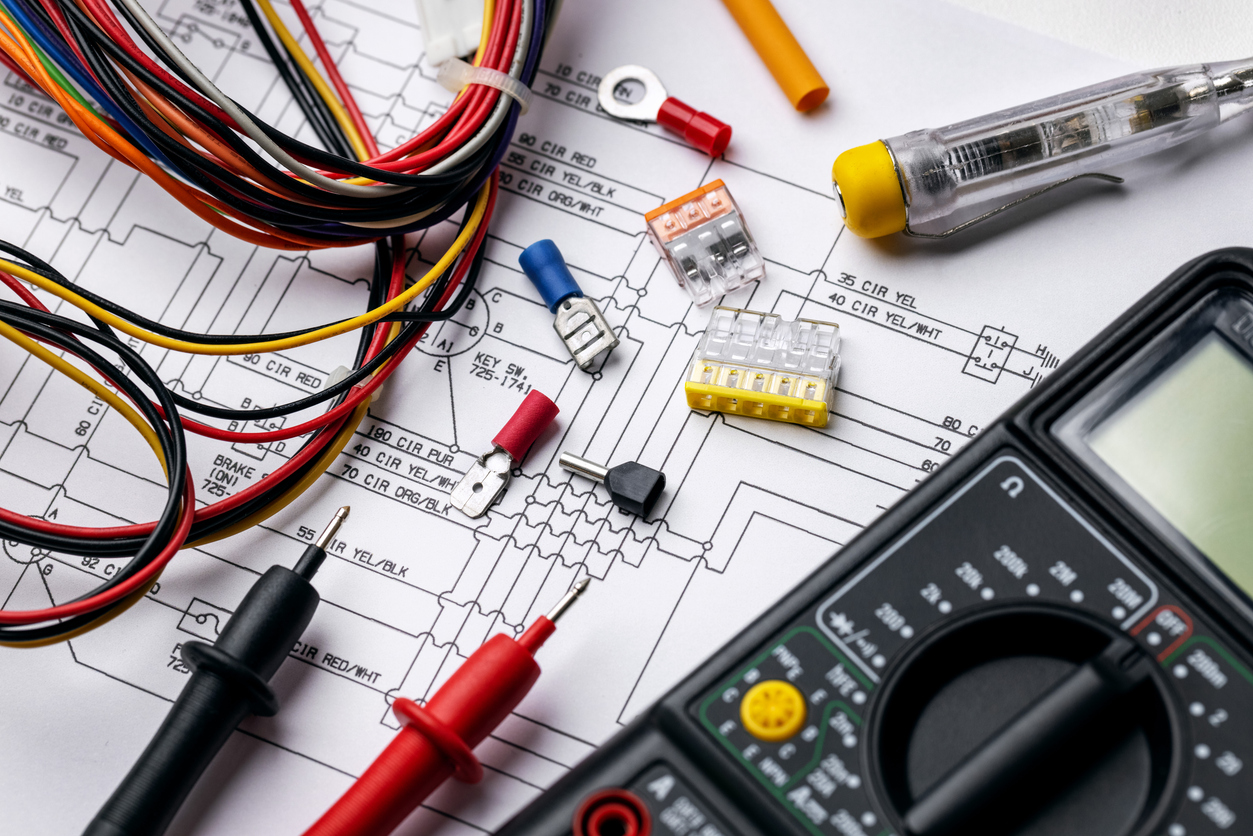
The demand for security equipment in Nigeria has grown rapidly in recent years, driven by increased awareness around safety, asset protection, and surveillance across residential, commercial, and industrial sectors. From CCTV systems and access control devices to alarms and tracking solutions, the market presents strong opportunities for importers, distributors, and retailers.
However, entering this space requires more than just sourcing products—you must comply with regulatory, legal, and operational requirements to run a legitimate and scalable business.
This guide outlines the key requirements to sell security equipment in Nigeria, along with practical insights on how businesses like Wigmore Trading can support your sourcing and distribution needs.
1. Register Your Business Legally
To operate legally in Nigeria, your business must be registered with the Corporate Affairs Commission (CAC).
Key steps:
- Choose a business structure (sole proprietorship, partnership, or limited liability company)
- Register your business name or company
- Obtain your Certificate of Incorporation
A registered business builds credibility and allows you to open corporate bank accounts, import goods, and partner with international suppliers.
2. Obtain Necessary Licenses and Permits
Selling certain types of security equipment—especially surveillance systems—may require additional approvals depending on usage and scale.
Common regulatory considerations:
- Compliance with guidelines from the Nigerian Communications Commission (for wireless or network-enabled devices)
- Approval from the Standards Organisation of Nigeria (SON) for product quality and safety
- Import permits through the Nigeria Customs Service
Failing to meet these requirements can result in seized goods, fines, or operational delays.
3. Ensure Product Standards and Certification
Security equipment must meet safety and technical standards before being sold in Nigeria.
Important certifications:
- SONCAP (Standards Organisation of Nigeria Conformity Assessment Programme)
- Product testing certifications from recognized bodies
- Electrical and safety compliance for devices like CCTV cameras and alarms
Wigmore Trading can assist with sourcing compliant products from verified manufacturers, ensuring all required documentation is in place before importation.
4. Understand Importation Requirements
Most security equipment sold in Nigeria is imported. To successfully import, you need:
- A valid import license
- A registered company with a Tax Identification Number (TIN)
- A Form M (processed through your bank)
- Pre-Arrival Assessment Report (PAAR)
- Proper HS codes for classification
Common challenges:
- Delays at ports
- Incorrect documentation
- High clearing costs
Wigmore Trading helps businesses streamline sourcing, documentation, and logistics—reducing delays and ensuring cost efficiency.
5. Set Up Distribution and Storage
Security equipment often includes fragile and high-value items, so proper handling is essential.
Consider:
- Secure warehousing facilities
- Inventory management systems
- Reliable logistics partners
- Regional distribution channels
For businesses targeting wholesale or B2B markets, efficient distribution is critical to scaling operations.
6. Build Supplier Relationships
Your product quality and pricing depend heavily on your suppliers.
What to look for:
- Verified manufacturers (especially from China, Europe, or the UAE)
- Consistent product quality
- Competitive pricing
- Ability to scale production
Wigmore Trading connects Nigerian businesses with trusted global suppliers, helping you secure reliable inventory at competitive rates.
7. Pricing and Market Positioning
The Nigerian security equipment market is competitive, with buyers ranging from individuals to corporate organizations.
Key pricing factors:
- Import costs (shipping, duties, clearing)
- Exchange rate fluctuations
- Brand positioning (premium vs. budget)
A well-structured pricing strategy ensures profitability while remaining competitive.
8. After-Sales Support and Installation Services
Many customers expect installation, maintenance, and technical support.
To stay competitive:
- Offer installation services or partner with technicians
- Provide warranties and support
- Train staff on product usage
This adds value and builds long-term customer relationships.
9. Marketing and Sales Strategy
To succeed in this market, visibility is key.
Effective channels:
- Digital marketing (SEO, Google Ads, social media)
- B2B outreach to businesses and institutions
- E-commerce platforms
- Partnerships with real estate developers and contractors
Target industries such as banking, retail, construction, and logistics where security needs are high.
How Wigmore Trading Can Help
Entering the security equipment market can be complex, especially when dealing with international sourcing and regulatory compliance.
Wigmore Trading can help you:
- Source high-quality, certified security equipment
- Connect with reliable global manufacturers
- Handle importation and logistics efficiently
- Reduce costs and avoid compliance issues
Whether you are starting out or scaling your distribution, our team provides the expertise and network you need to succeed.
Contact Wigmore Trading today to streamline your sourcing and distribution.
Conclusion
Selling security equipment in Nigeria is a profitable venture, but success depends on meeting regulatory requirements, sourcing quality products, and building efficient distribution systems.
By ensuring compliance, forming strong supplier relationships, and leveraging expert partners like Wigmore Trading, businesses can position themselves for sustainable growth in this expanding market.




Comments are closed.